Equipment Down in 2026? Get These 15 Critical Parts in NYC Within 2 Hours

When your Caterpillar excavator hydraulic system fails on an active construction site or your Komatsu bulldozer track breaks mid-project, every hour of downtime translates to missed deadlines, idle crews, and mounting costs. For NYC construction, mining, and industrial operations, equipment failure doesn't just mean inconvenience - it means thousands in daily losses, contract penalties, and potential project delays that cascade across your entire schedule.
In a market where daily equipment rental alone can exceed $2,000 and a full crew's idle time costs $5,000+ per day, even a few hours of downtime can devastate project budgets. Winter 2026 conditions make equipment even more vulnerable, with sub-zero temperatures causing failures in hydraulic systems, batteries, and fuel lines.
The landscape of emergency industrial parts procurement has evolved dramatically in 2026. Gone are the days of waiting 5-7 business days for critical components or scrambling to find parts suppliers who understand heavy equipment. Real-time inventory systems, strategic partnerships with major manufacturers, and same-day delivery infrastructure have revolutionized how NYC operators handle equipment emergencies. At MCH Parts NYC, we specialize in getting critical industrial components to your site within two hours. This guide identifies the 15 most critical parts every equipment manager should know about - and how to access them when disaster strikes.
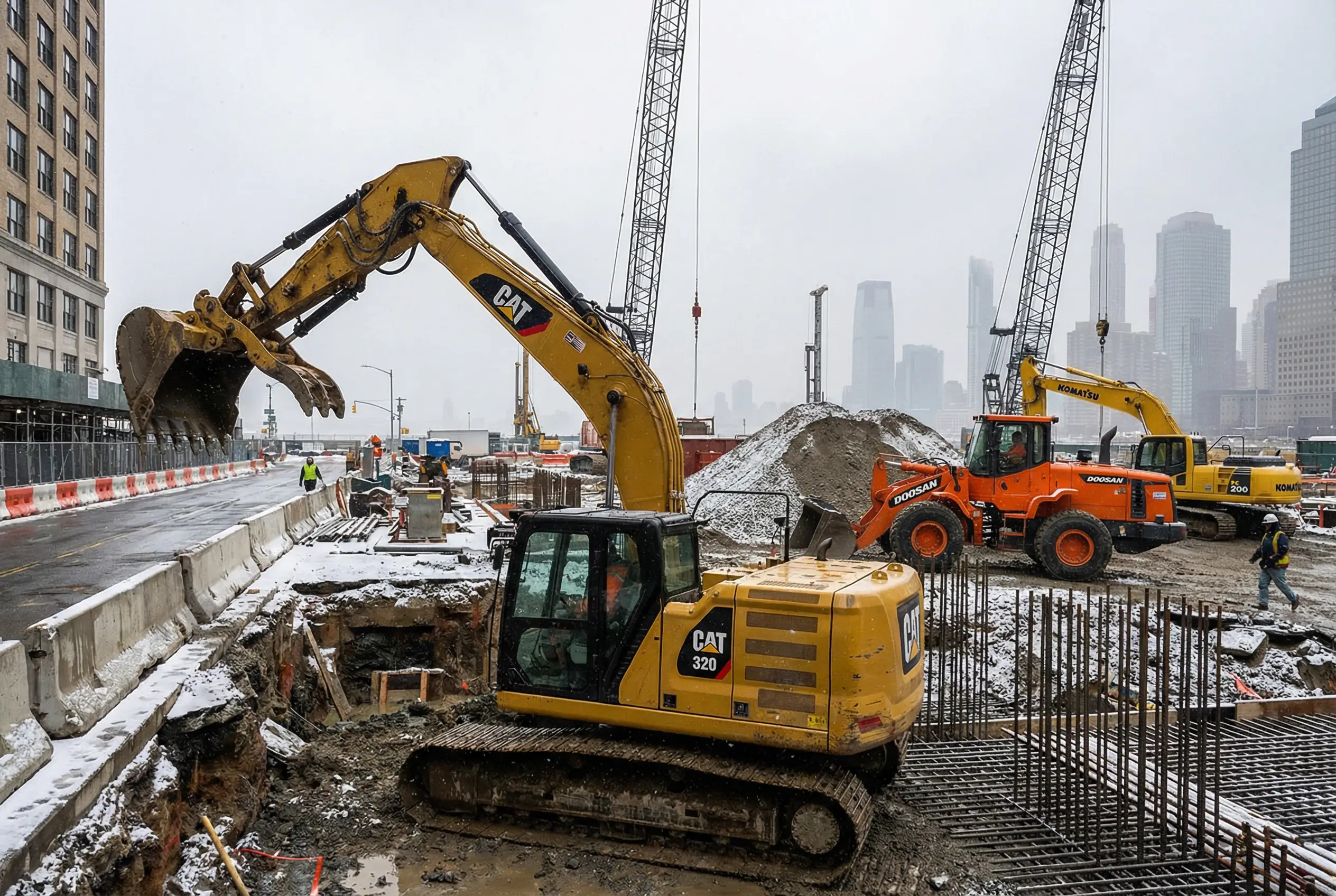
The 15 Most Critical Emergency Parts for NYC Industrial Operations
Understanding which components fail most frequently helps you prepare for emergencies and minimize costly downtime. Based on 2026 service data from construction sites, mining operations, and industrial facilities across NYC, these parts represent the highest-priority items for emergency procurement.
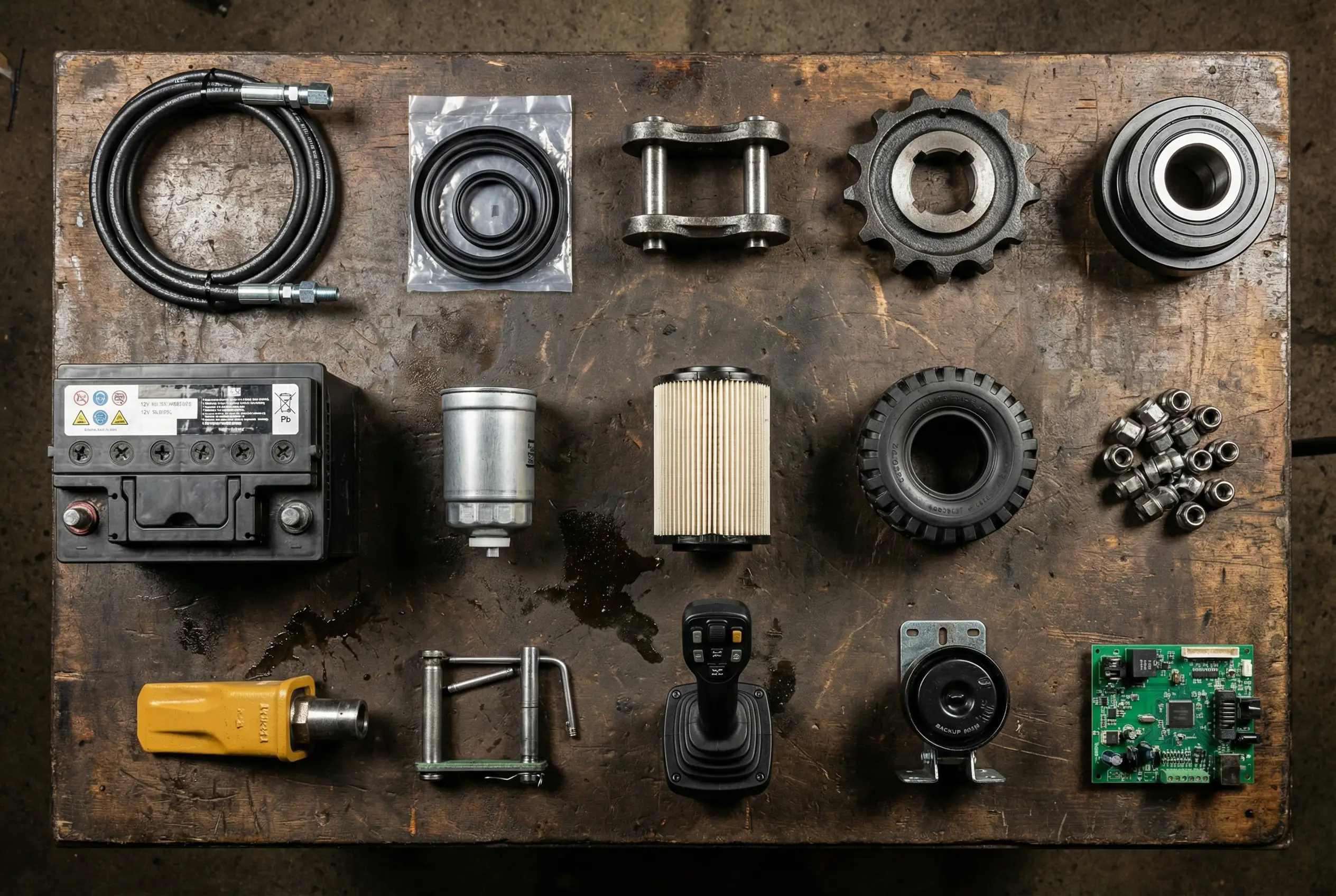
Hydraulic System Components
1. Hydraulic Hoses and Fittings (Caterpillar, Komatsu, John Deere) Hydraulic system failures account for nearly 40% of heavy equipment downtime. Burst hoses, cracked fittings, and seal failures can shut down excavators, loaders, and dozers instantly. Modern equipment from CAT, Komatsu, and Deere uses high-pressure hydraulic systems (3,000-5,000 PSI) requiring exact specification matches. Keep equipment model numbers accessible - hose diameter, pressure rating, and fitting thread type must match precisely.
2. Hydraulic Pumps and Motors When hydraulic pumps fail, your entire machine becomes inoperable. These components are expensive ($1,500-$8,000) but absolutely critical. Piston pumps for Caterpillar excavators and gear pumps for smaller loaders are among the most commonly stocked emergency items. Pump failure symptoms include loss of power, overheating, and unusual noise.
3. Hydraulic Cylinders and Seal Kits Cylinder seal failures cause fluid leaks and loss of lifting capacity. While complete cylinder replacement can take days, emergency seal kits allow temporary repairs to keep equipment operational. Standard bore sizes for popular equipment models like CAT 320, Komatsu PC200, and John Deere 350G are typically available for same-day delivery.
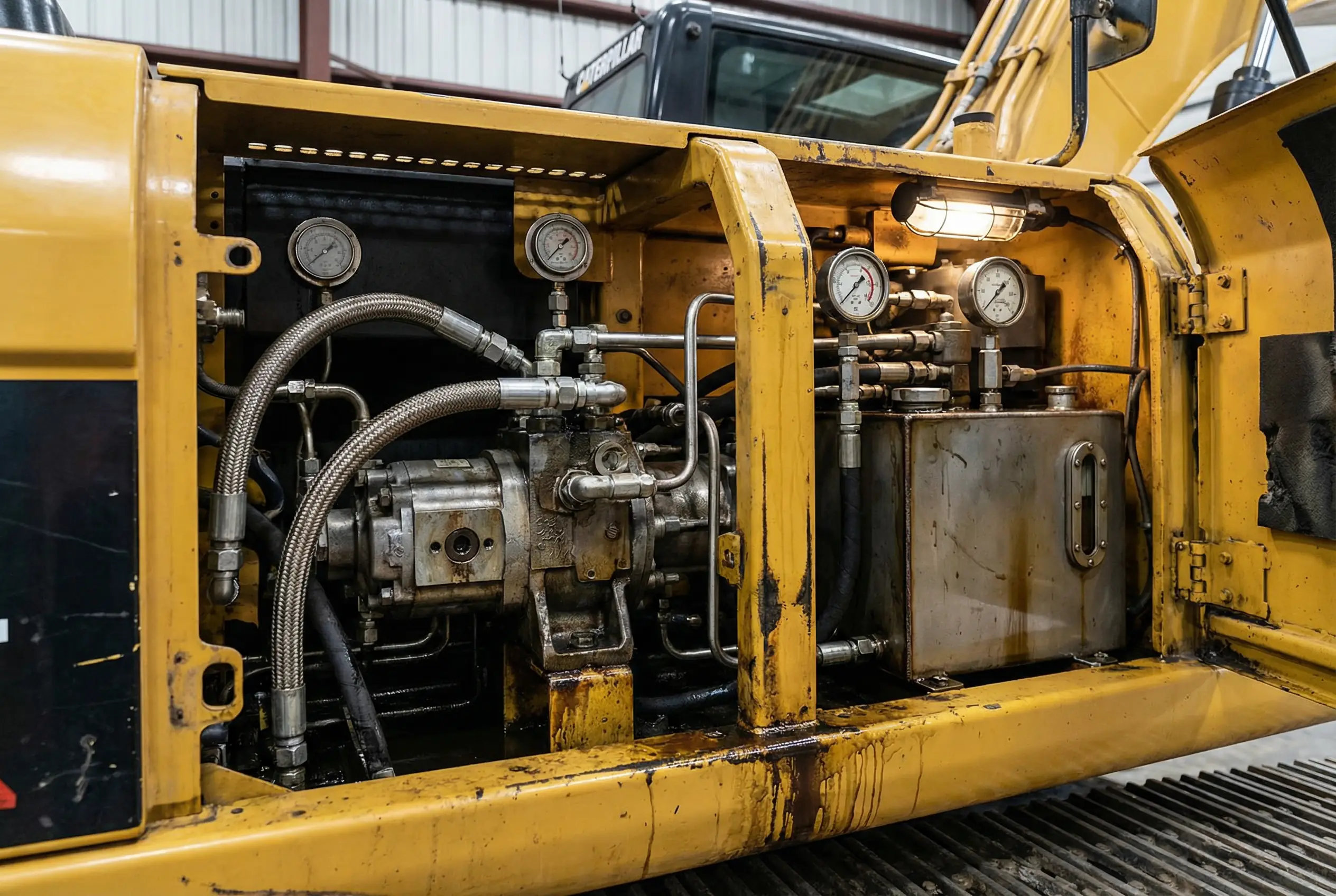
Undercarriage and Track Components
4. Track Chains and Links (Caterpillar, Komatsu, Volvo) Broken track chains completely immobilize tracked equipment. Master links, track pins, and bushings are critical spare parts for dozers, excavators, and track loaders. CAT D6, D8, and D9 dozer tracks are among the most frequently needed emergency parts in NYC construction. Track link specifications vary by machine weight class - having your equipment's pitch measurement is essential.
5. Sprockets and Idler Wheels Worn or damaged sprockets cause track misalignment and accelerated wear. While sprockets themselves are planned maintenance items, emergency replacement becomes necessary when teeth break or crack. Heavy-wear applications like demolition and rock excavation see higher failure rates.
6. Track Roller Assemblies Failed track rollers create uneven track movement and can damage other undercarriage components. Lower rollers take the most abuse and fail more frequently than upper rollers. Roller leaking seals indicate imminent failure - catching this early prevents more expensive damage.
Engine and Electrical Systems
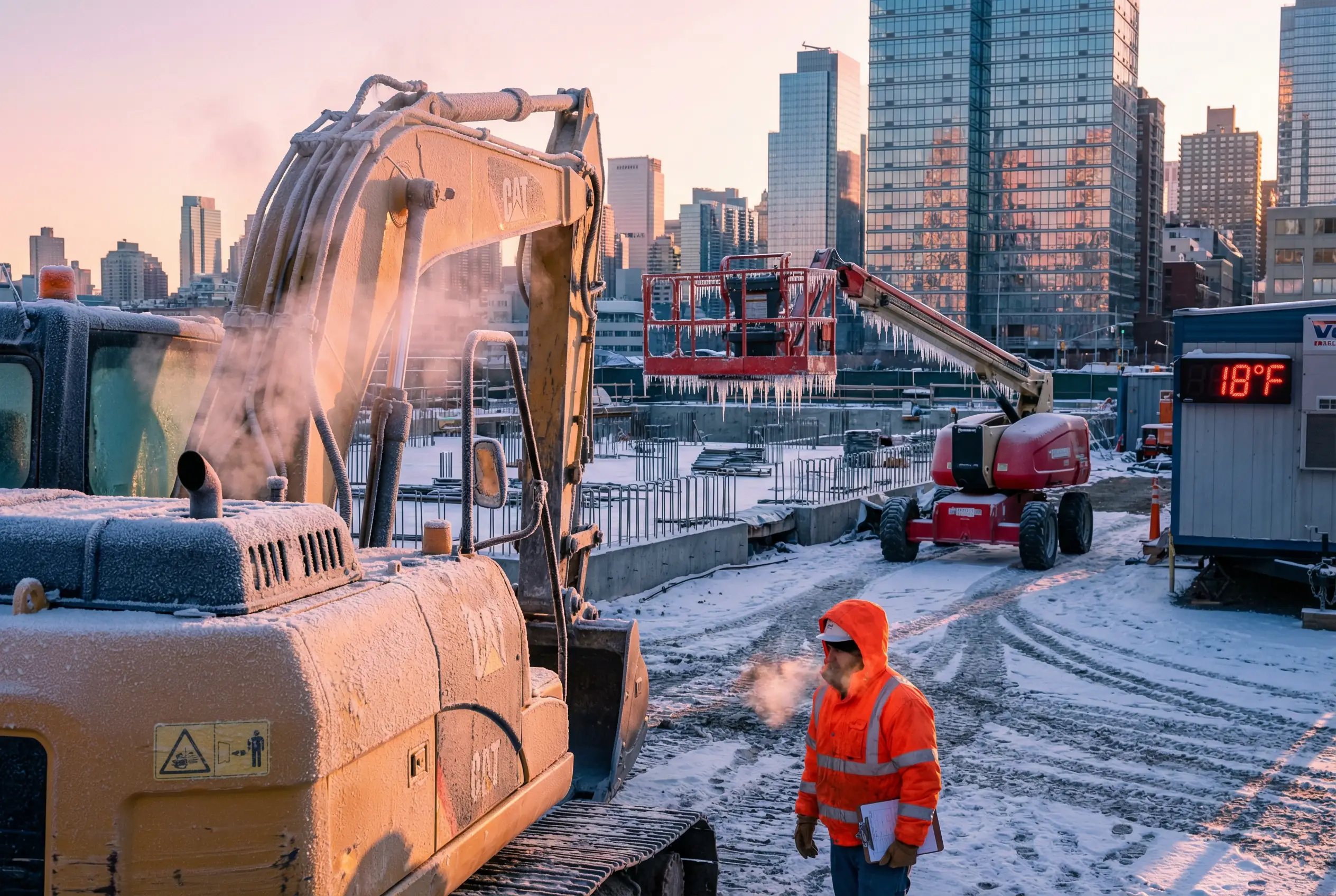
7. Batteries and Charging Systems (Caterpillar, Komatsu, Volvo) Battery failures spike during NYC winters, with sub-20°F temperatures reducing capacity by 50% or more. Heavy equipment batteries (typically 12V or 24V systems) are expensive ($300-$800 each) but critical for starting diesel engines. Most excavators and loaders require two batteries in series. Alternators and starter motors are also common cold-weather failure points.
8. Fuel Filters and Water Separators Contaminated fuel is a leading cause of diesel engine failure in construction equipment. Primary and secondary fuel filters prevent dirt and water from reaching injection systems. Clogged filters cause power loss, rough running, and potential injector damage costing thousands. Winter diesel fuel gelling makes fuel system maintenance even more critical.
9. Air Filters and Intake Systems Dusty construction environments quickly clog air filters, reducing engine power and fuel efficiency. Restricted air intake can cause turbocharger damage on modern Tier 4 emissions equipment. Primary and secondary air filter elements for Caterpillar, Komatsu, and John Deere equipment are essential emergency stock items.
Tire and Wheel Components
10. Heavy Equipment Tires (Loader, Grader, Articulated Truck) Tire failures on wheel loaders, motor graders, and articulated dump trucks cause immediate work stoppages. Common sizes like 23.5R25 (wheel loaders) and 17.5R25 (graders) should be available through emergency suppliers. Tire damage from sharp debris, punctures, and sidewall failures are daily risks on NYC construction sites.
11. Wheel Rims and Lug Nuts Cracked rims and broken lug nuts create safety hazards and equipment immobilization. Heavy equipment wheel assemblies use specialized multi-piece rims that require proper installation procedures. Missing or damaged lug nuts (typically 1-1/2" or larger) must be replaced immediately - wheel separation while operating is a catastrophic failure.
Attachment and Implement Parts
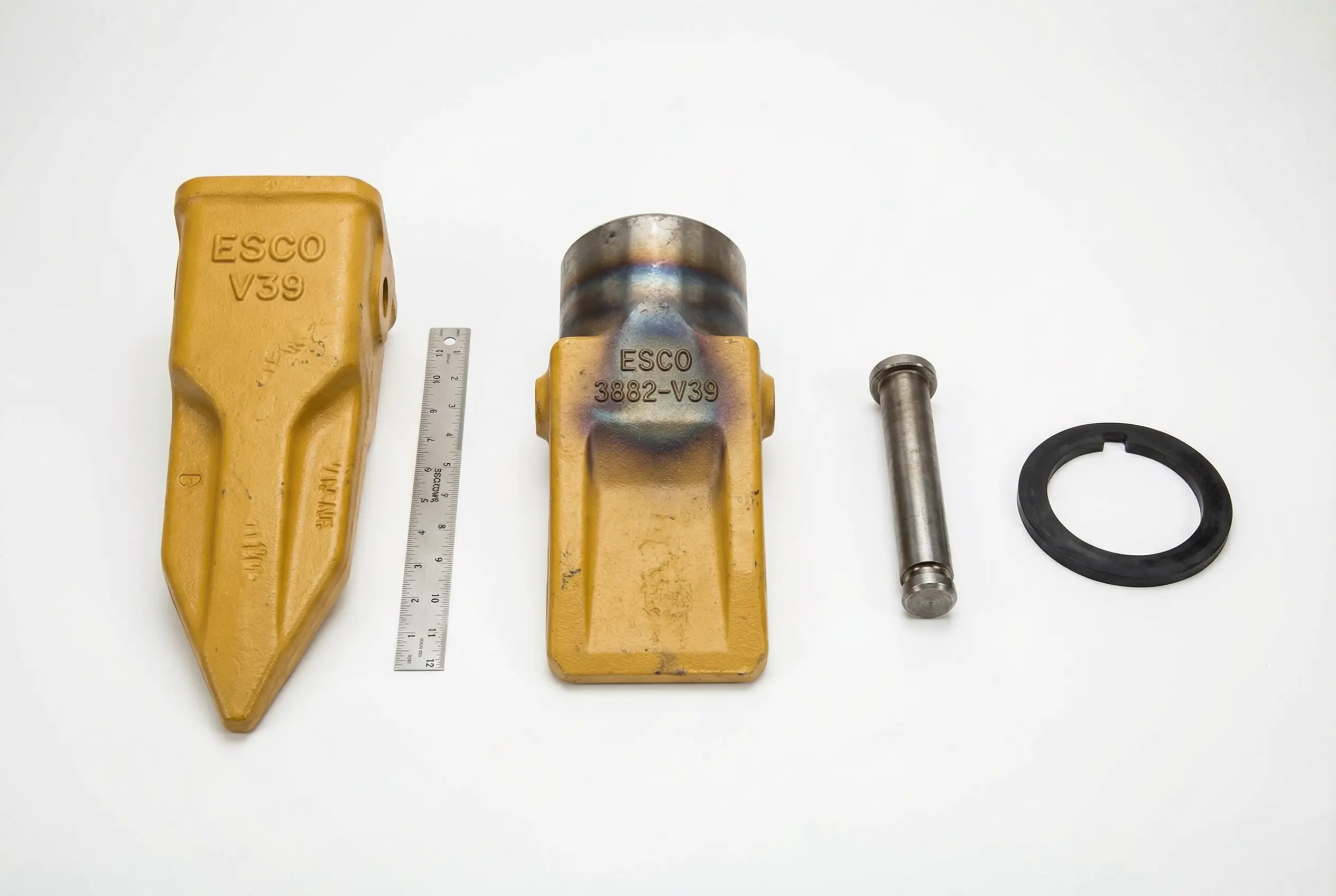
12. Bucket Teeth and Cutting Edges (ESCO, Hensley, CAT) Bucket teeth and cutting edges are consumable wear items but their failure stops excavation work immediately. ESCO, Hensley, and CAT bucket systems dominate NYC construction. Pin-on teeth, bolt-on adapters, and cutting edge segments for excavator buckets (1-5 cubic yard capacity) and loader buckets should be readily available. Rock and demolition work accelerates wear dramatically.
13. Quick Coupler Components Hydraulic quick couplers allow rapid attachment changes but their failure immobilizes equipment. Locking pins, hydraulic wedges, and safety lock mechanisms require immediate replacement when damaged. Pin-grabber style couplers from manufacturers like JRB and Caterpillar CW series are common on NYC excavators.
Operator Controls and Safety Systems
14. Joystick Controllers and Pilot Valves Modern excavators and loaders use electronic joystick controls with pilot valve hydraulic systems. Controller failures prevent machine operation despite otherwise functional hydraulics. Electronic control modules for CAT, Komatsu, and Volvo equipment are increasingly complex and expensive ($800-$3,000) but essential for modern equipment.
15. Backup Alarms and Warning Systems NYC construction sites require functioning backup alarms and warning lights for OSHA compliance. Failed backup alarms can result in work stoppages during safety inspections. Standard 12V and 24V backup alarms, rotating beacons, and strobe lights are simple but legally required components that demand immediate replacement.
How Emergency Industrial Parts Delivery Works in 2026
The emergency parts ecosystem for heavy equipment has evolved significantly, driven by real-time inventory technology, strategic warehousing, and direct manufacturer relationships. Understanding how this system operates helps you leverage it during critical downtime situations.
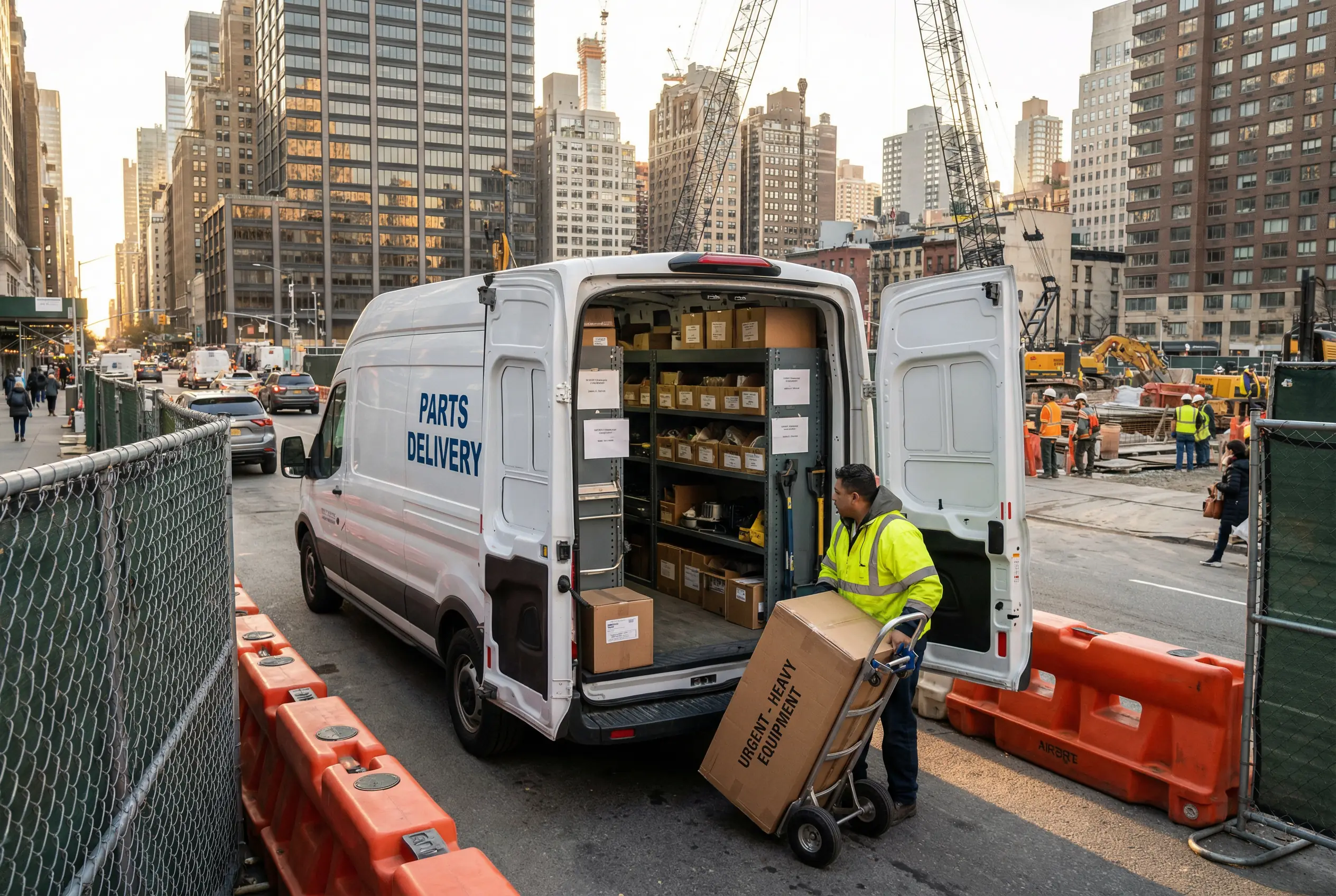
Real-Time Inventory and Cross-Reference Systems
Modern parts suppliers utilize cloud-based inventory management systems providing instant visibility across multiple warehouse locations. When you call with an equipment model and part number, advanced systems immediately confirm availability. Cross-reference databases identify compatible alternatives when OEM parts aren't available - critical for older equipment or discontinued models.
These systems track equipment populations in specific regions. NYC's high concentration of Caterpillar, Komatsu, and Volvo equipment means local suppliers stock parts specifically for these brands. Seasonal trends also affect inventory - winter months see increased battery, fuel system, and cold-weather component stocking.
Strategic Geographic Distribution
At MCH Parts NYC, we maintain distributed inventory across NYC's five boroughs and surrounding areas. Our Long Island City facility serves Manhattan and Western Queens construction sites, while Brooklyn and Bronx locations ensure rapid delivery to outer borough projects. This geographic distribution enables genuine two-hour delivery windows even during peak traffic hours.
Warehouse locations stock inventory based on local equipment populations and project types. Areas with heavy demolition work carry more undercarriage components and bucket teeth, while regions with excavation projects emphasize hydraulic parts and ground engagement tools.
Direct Manufacturer and Distributor Relationships
Reliable emergency parts providers maintain relationships with major manufacturers and authorized distributors. These partnerships provide several critical advantages: priority access during parts shortages, technical support for complex diagnostics, warranty compliance documentation, and authenticity verification for OEM components.
Direct relationships with Caterpillar dealers, Komatsu distributors, and aftermarket manufacturers like ESCO and Hensley ensure parts authenticity. Counterfeit parts are a growing problem in the heavy equipment industry - working with established suppliers protects against substandard components that can cause additional failures.
When to Use Emergency Delivery vs. Standard Procurement
Not every parts need justifies emergency delivery premiums. Developing a strategy for when to use expedited services helps manage costs while ensuring critical parts arrive when they matter most.
Critical Emergency Scenarios
Active Project Downtime: When equipment failure stops active construction work with crews on-site, emergency delivery pays for itself within hours. A $500 emergency delivery fee is negligible compared to $5,000+ in daily crew costs and potential contract penalties for missed deadlines.
Safety and Compliance Issues: Failed backup alarms, broken safety locks on quick couplers, or damaged ROPS (rollover protection structures) require immediate attention. OSHA inspections can shut down entire sites for safety violations - emergency parts delivery prevents extended work stoppages.
Weather-Related Failures: Winter equipment failures during limited working windows demand urgent response. When you have only a few weeks of suitable weather for foundation work or excavation, losing even one day to parts delays can push projects into unfavorable spring conditions.
When Standard Delivery Makes Sense
Preventive Maintenance Planning: Scheduled maintenance parts for oil changes, filter replacements, and routine inspections can use standard delivery (2-5 days). Planning maintenance during equipment idle time eliminates urgency.
Backup Equipment Available: If you have redundant equipment that can substitute temporarily, standard delivery reduces costs. A contractor with two excavators can often wait for parts when one fails, shifting the second machine to cover critical tasks.
Off-Season Repairs: During slow winter months when equipment sits idle, standard delivery for major repairs makes economic sense. Use this time for transmission rebuilds, major hydraulic work, and comprehensive overhauls that would be too costly during peak season.
Building a Strategic Parts Procurement Plan
Sophisticated equipment managers maintain relationships with multiple parts suppliers, balancing emergency availability with cost-effective standard procurement. They stock critical, inexpensive parts on-site (filters, belts, hoses) while relying on emergency delivery for expensive components (pumps, cylinders, electronic controls) that can't be justified as inventory.
Create documented parts lists for each equipment model in your fleet, categorizing components by failure frequency and criticality. This allows any manager to make informed decisions during emergencies, even if your primary equipment manager isn't available.
Preparing Your Operation for Equipment Emergencies
Proactive preparation dramatically reduces both frequency and severity of equipment failures. Forward-thinking equipment managers implement systematic approaches that minimize emergency situations and streamline response when problems occur.
Comprehensive Equipment Documentation
Maintain digital equipment files with clear photographs of serial number plates, hour meter readings, and specification sheets. Store this information in cloud-based systems accessible from mobile devices. When your excavator fails on a remote site at 4 PM on Friday, having instant access to model numbers and serial numbers enables faster parts identification. Having this information ready means faster service when you contact MCH Parts NYC or any emergency supplier.
Track equipment age, hours, and service history for all machines. Most heavy equipment has predictable component lifespans based on operating hours. Knowing that your CAT 320 excavator is approaching 8,000 hours (typical interval for major hydraulic system service) helps you budget for maintenance and stock preventive replacement parts.
Strategic On-Site Spare Parts Inventory
Stock high-failure, moderate-cost items on-site or in service vehicles: hydraulic hoses, fuel filters, air filters, batteries, and basic hardware. A $2,000 investment in spare parts can prevent multiple emergency delivery fees throughout the year and reduce downtime from hours to minutes for common failures.
For large fleets or major projects, consider establishing site-specific parts inventory in job trailers or storage containers. Long-duration projects (6+ months) justify stocking expensive components like hydraulic cylinders, pumps, and track assemblies on-site.
Preventive Maintenance Programs
Implement rigorous preventive maintenance schedules based on manufacturer recommendations and actual operating conditions. NYC construction environments - with harsh winters, corrosive road salt, and abrasive conditions - accelerate wear beyond standard schedules.
Daily pre-operation inspections by operators catch many problems early. Train operators to check fluid levels, inspect for leaks, listen for unusual noises, and monitor gauge readings. Early detection of hydraulic leaks, loose tracks, or electrical problems allows ordering parts through standard channels rather than emergency delivery.
Service contracts with equipment dealers often include priority parts access, technical support hotlines, and discounted emergency service. For critical equipment, these contracts potentially offset costs through avoided downtime and emergency fees.
Conclusion: Minimizing Downtime in NYC's Demanding Construction Market
In New York City's intensely competitive construction and industrial environment, equipment reliability directly impacts profitability and project success. The difference between contractors who consistently meet deadlines and those who struggle often comes down to equipment management and emergency response capabilities.
The 2026 landscape offers unprecedented access to emergency industrial parts through real-time inventory systems, strategic warehousing, and specialized suppliers. From Caterpillar hydraulic components to Komatsu undercarriage parts, from battery systems to bucket teeth, critical components are available within two hours through services like MCH Parts NYC.
However, access to emergency delivery is only one element of comprehensive equipment management. The most successful operations combine emergency availability with proactive strategies: detailed equipment documentation, strategic spare parts inventory, rigorous preventive maintenance, and operator training. This layered approach reduces emergency situations while ensuring streamlined response when failures inevitably occur.
Take action today: photograph equipment model numbers and serial plates, identify reliable emergency parts sources for your equipment brands, stock critical consumable components, and implement hour-based preventive maintenance protocols. Your competition is already doing this - will you be prepared when equipment fails during your most critical project phase?
Frequently Asked Questions
Q: How much does emergency 2-hour delivery cost compared to standard parts delivery?
A: Emergency delivery premiums typically range from 25-50% above standard pricing for industrial parts. A hydraulic hose costing $200 with standard delivery might cost $250-300 with emergency service. However, minimum order values ($150-250) usually apply to make emergency delivery economically viable. The calculation is straightforward: if your equipment downtime costs $3,000+ per day in idle crews and missed work, paying an extra $100-200 for immediate parts delivery is clearly justified versus waiting 3-5 days for standard delivery.
Q: Are parts available for older equipment or discontinued models?
A: This varies significantly by manufacturer and equipment age. Major brands like Caterpillar, Komatsu, and John Deere typically maintain parts availability for 10-15 years after model discontinuation. However, for equipment older than 15-20 years, parts availability becomes challenging. The best approach is calling with exact model and serial numbers - modern inventory systems can quickly confirm availability and identify potential alternatives. For very old equipment, consider aftermarket parts manufacturers who often produce components for discontinued models at lower costs than OEM parts.
Q: Can large contractors or fleet operators negotiate better emergency parts pricing?
A: Absolutely. Fleet operators and contractors with multiple machines have significant leverage to negotiate favorable terms. Many suppliers offer corporate accounts with benefits including fixed emergency delivery fees regardless of order size, priority service guarantees during parts shortages, volume-based pricing discounts (often 10-25% below retail), and extended payment terms (net 30-60 days instead of payment on delivery). If you operate 5+ machines or have consistent parts needs, contacting suppliers to discuss fleet pricing programs typically yields substantial savings over standard walk-in pricing.
Q: What should I do if equipment fails but I'm not sure which part I need?
A: Start by locating the equipment's model and serial number plate - typically on the frame near the operator station or engine compartment. Take clear photos showing the plate and the failed component if visible. Many parts suppliers have technical staff who can identify components from photos and symptoms. Describe the failure mode in detail: what the machine was doing when it failed, any unusual sounds or smells, warning lights or error codes, and any fluid leaks. Many suppliers offer technical phone support where experienced parts specialists can guide diagnosis based on symptoms. For complex failures, some suppliers can arrange mobile technician dispatch for on-site diagnosis, though this typically involves service call fees. The key is contacting your parts supplier immediately rather than spending hours attempting self-diagnosis - their experience with thousands of similar failures accelerates the identification process.
Read More

Engine Air Filter vs. Cabin Filter 2026: EPA Guide

Radiator and Cooling System Parts: NYC Summer 2026
Bucket Teeth Selection 2026: Right Teeth for NYC Soil

Construction Equipment Filters 2026: Complete Replacement Schedule Updated
Track Replacement Guide 2026: How Long Do Undercarriage Parts Really Last?
Final Drive Troubleshooting 2026: 7 Warning Signs Before Complete Failure
Excavator Hydraulic Pump Replacement 2026: OEM vs Aftermarket Complete Guide

Weekend Equipment Breakdown: NYC After-Hours Parts Sourcing Guide 2026

Equipment Down in 2026? Get These 15 Critical Parts in NYC Within 2 Hours

NYC Port Modernization 2026: Heavy Equipment Parts for Hudson River Terminal Upgrades
Queens Is Being Built Right Now - Is Your Equipment Ready?

NYC High-Rise Construction Boom 2026: Parts for Record Number of Tower Projects

Brooklyn Navy Yard Construction: Specialized Parts for Historic Site Work

NYC DOB Construction Equipment Requirements 2026: Updated Parts & Modifications
Equipment Down in 2026? Get These 15 Critical Parts in NYC Within 2 Hours
NYC Winter 2026 Construction: Critical Parts That Fail Below 20°F : Prevention Guide
Prevent Crane Downtime with a Proactive Parts Roadmap
How to Prevent Downtime in Multi-Brand Earthmoving Fleets

How to Source OEM Undercarriage Parts Without Project Delays
Motor Grader Predictive Diagnostics: Prevent Hydraulic Failures & Reduce Downtime

Pesticide Sprayer Calibration: Essential Safety Compliance Guide & Protection

Seeder Bearing Parts Sourcing Guide: Critical Components & Strategy
Downtime Prevention Through Smart Inventory for Grain Dryers

Combine Harvester Breakdown Prevention Guide: Predictive Analytics for Zero Downtime

Master Global Agricultural Parts Delivery | Mid-Season MRO Guide

Fixing Haul Truck Downtime Issues: Remote Parts Strategy Guide 2025
Blasting Equipment Safety Compliance: Must-Know Audit Requirements for 2025

The Step-by-Step Guide to Global Drill Rig Consumables Sourcing
Mining Conveyor Maintenance Guide: Detecting Hidden Risks in Underground Systems
Best Practices for Certified Pipeline Valve Selection: From Specs to Installation

Optimizing Oil Rig PPE Delivery: Proven Strategies That Saved $2M Annually

FPSO Smart Parts Planning: Proven Methods to Cut Downtime

How FPSO Inspection Prevents Million-Dollar Shutdown Losses

Fix It Before It Breaks: A Farmer's Guide to Combine and Harvester Maintenance

Why Fast Tractor Parts Delivery is Changing Modern Farming [2025 Guide]

The Critical Farm Equipment Replacement Parts You Need Before Harvest 2025
.webp)
How to Double Your Farm Efficiency: Expert Guide to Smart Scaling
Cut Costs by 30%: Pre-Season Spare Parts Audit Checklist

Proven Success Factors for Agricultural Equipment Manufacturers in 2025

13 Overlooked Farm Spare Parts That Halt Operations — Pt. 2

13 Overlooked Farm Spare Parts That Halt Operations — Pt. 1

Top Hydraulic Components for Agricultural Equipment in 2025: Complete Guide
The Essential Farm Equipment Parts You Can't Afford to Run Out Of

How to Service Farm Equipment: A Farmer's Guide to Zero Harvest Downtime
Construction Machinery Parts Suppliers: Expert Selection Guide
How to Apply Machine Safety Rules: From Selection to Installation

Smart Diagnostics Cut Heavy Equipment Failures by 73%

5 Ways to Assess the Environmental Impact of Heavy Construction Machinery

10 Smart Ways to Pick Construction Machinery for 2025 Projects
Rent vs Purchase Equipment: What Heavy Industry Experts Hide

How to Implement a Construction Inventory Management System for Equipment Efficiency

How to Extend Equipment Life Expectancy with Regular Maintenance
Advanced Heavy Equipment Diagnostic Tools: Ensuring Construction Machinery Quality

Essential Features Your Construction Equipment Inventory System Needs
29 Quick Tips for Choosing Construction Equipment for Remote Locations

How to Select Construction Machinery with Optimal Equipment Maintenance in Mind
Top 25 Tips for Selecting Bulldozers for Construction Sites
Which Construction Loader is Best for Your Project Needs?

4 Key Steps to Form a Construction Machinery QC Team

15 Essential Tips for Selecting the Perfect Crane for Construction

Maximize Savings: Multi-Purpose Construction Machinery for Lower Costs
Affordable Heavy Equipment Parts: A Sourcing Guide
Choosing the Right Road Construction Equipment: A Complete Guide

Motor Graders: Key Elements to Consider for Optimal Selection

A Detailed Guide to Choosing Excavators for Construction Work
Top Tips for Choosing Cranes for Construction Projects
5 Top-Rated Demolition Machines for Construction Professionals

Expert Tips on Choosing Earthmoving Equipment for Large Projects
Top Functional Criteria for Selecting Heavy Construction Equipment

Construction Machinery: Detailed Guide to Equipment Specifications
Heavy Machinery Prices: Key Factors in Cost and Quality Balance
Best Construction Heavy Equipment Brands: Pros and Cons

Construction Site Equipment: How to Determine Your Requirements
Maximizing Safety: Risk Management for Construction Projects

Innovations in Construction: Transforming Machinery and Equipment
Heavy Equipment Safety: Beyond the Basics in Construction Compliance

The Essential Handbook for Construction Equipment Repair and Maintenance

How to Efficiently Source Oil and Gas Machinery Parts in NYC

Essential Guide to Sourcing Agriculture Equipment Parts
How to Source Mining Machinery Parts: Tips and Strategies