NYC Winter 2026 Construction: Critical Parts That Fail Below 20°F : Prevention Guide
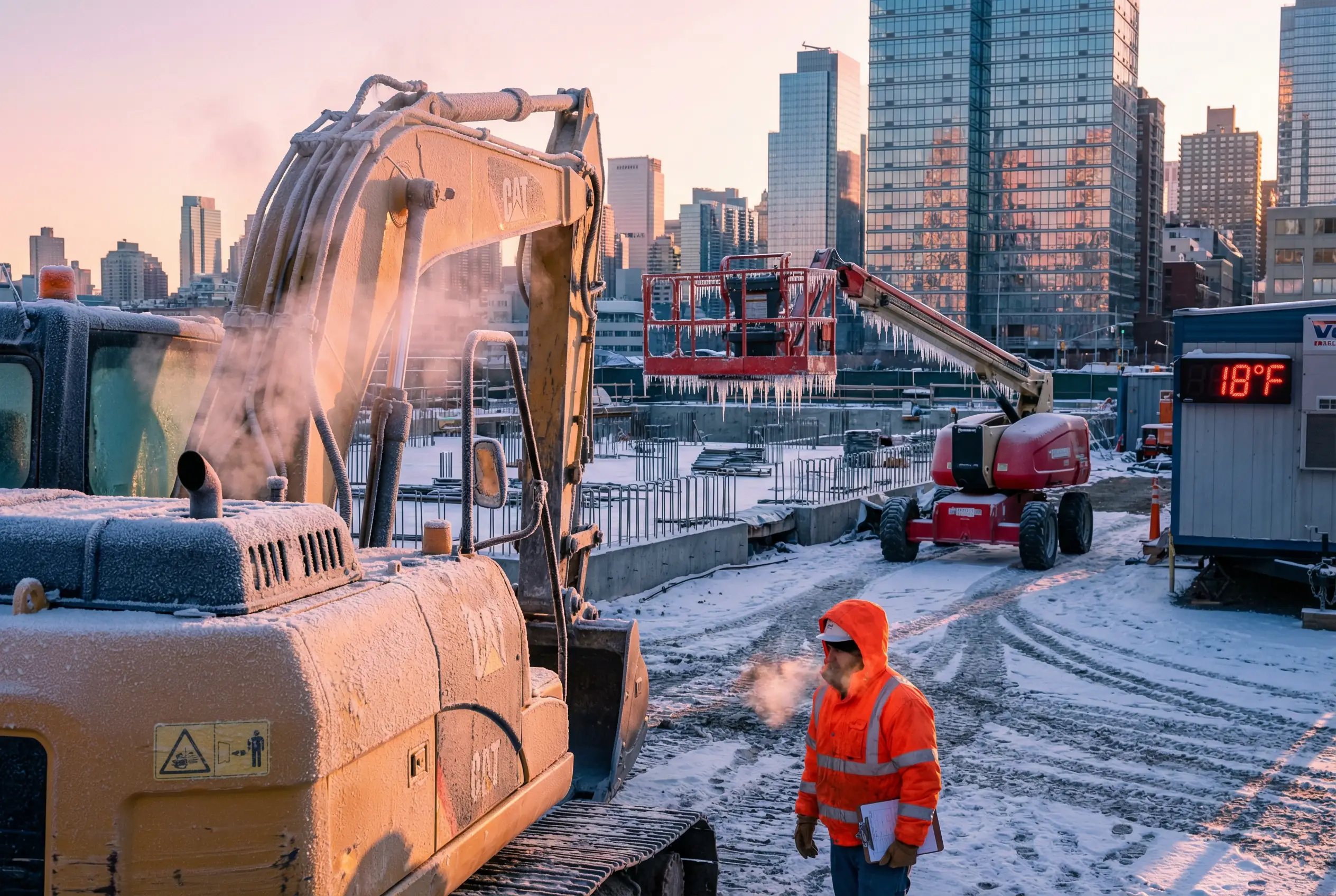
As January's brutal cold grips New York City and construction crews brace for February's continued freeze, equipment failure isn't just an inconvenience - it's a project-killing crisis that costs thousands in downtime and emergency repairs. With temperatures regularly plummeting below 20°F this winter season, understanding which critical parts are most vulnerable to cold weather failure has become essential for every construction manager, equipment operator, and site supervisor in the five boroughs.
The harsh reality of NYC winter construction is that standard equipment simply wasn't designed for sustained sub-zero operation. Hydraulic systems seize, batteries die without warning, and metal components become brittle enough to snap under normal loads. Yet construction doesn't stop when the mercury drops - deadlines remain firm, and the city's building boom continues regardless of weather. The difference between projects that push through winter successfully and those that hemorrhage money in frozen downtime comes down to one factor: proactive prevention of cold-weather equipment failures.
This comprehensive guide identifies the most failure-prone components in your construction equipment during extreme cold, provides actionable prevention strategies, and shows you how to source reliable replacement parts before disaster strikes. Whether you're managing a high-rise project in Manhattan or coordinating infrastructure work in the outer boroughs, protecting your critical equipment parts from January's frosts and preparing for February's continued deep freeze isn't optional - it's the key to keeping your operation running when competitors are sidelined by preventable failures.

Hydraulic System Components: Your First Line of Defense Against Freezing
Hydraulic Hoses and Seals
Hydraulic hoses become your weakest link the moment temperatures drop below 20°F. Standard rubber hoses lose flexibility in extreme cold, developing micro-cracks that lead to catastrophic ruptures under pressure. The hydraulic fluid inside these lines thickens dramatically, creating excessive pressure that stressed, brittle hoses simply can't handle. Seals throughout your hydraulic system face similar challenges - O-rings and gaskets that remained pliable in moderate weather become rigid and prone to leaking when exposed to sustained freezing conditions.
Prevention starts with upgrading to cold-weather rated hydraulic hoses before the deep freeze hits. Look for hoses specifically designed for sub-zero operation, featuring synthetic rubber compounds that maintain flexibility down to -40°F. Equally important is switching to winter-grade hydraulic fluid with appropriate viscosity ratings for extreme cold. Standard hydraulic oil becomes syrup-like in freezing temperatures, but Arctic-grade fluids maintain proper flow characteristics even in the harshest conditions. When sourcing these critical components, working with suppliers like MCH Parts NYC who understand local winter demands ensures you get parts that match your specific equipment and operational requirements.
Hydraulic Pumps and Cylinders
Hydraulic pumps suffer immensely in cold weather, struggling to move thickened fluid through the system and experiencing accelerated wear on internal components. When hydraulic oil is too viscous, pumps must work significantly harder to generate pressure, leading to overheating, cavitation, and premature failure. Hydraulic cylinders face a double threat: not only do they deal with sluggish fluid, but the metal cylinder walls contract in cold temperatures while seals become less effective, resulting in internal leakage and reduced performance.
The most effective prevention strategy involves pre-warming your hydraulic systems before operation. Install engine block heaters and hydraulic tank heaters that maintain fluid temperature overnight, allowing equipment to start with warm, properly viscous hydraulic oil. For extended cold weather operation, consider circulation heaters that keep fluid moving and warm throughout the workday. Regular inspection of cylinder rod surfaces becomes critical in winter - even minor scoring or pitting allows moisture infiltration that leads to internal corrosion and seal failure. Replace worn cylinders proactively rather than waiting for complete failure, and always source high-quality replacement components that meet or exceed OEM specifications for cold-weather durability.
Battery and Electrical System Failures: Silent Killers in Sub-Zero Weather
Battery Performance Degradation
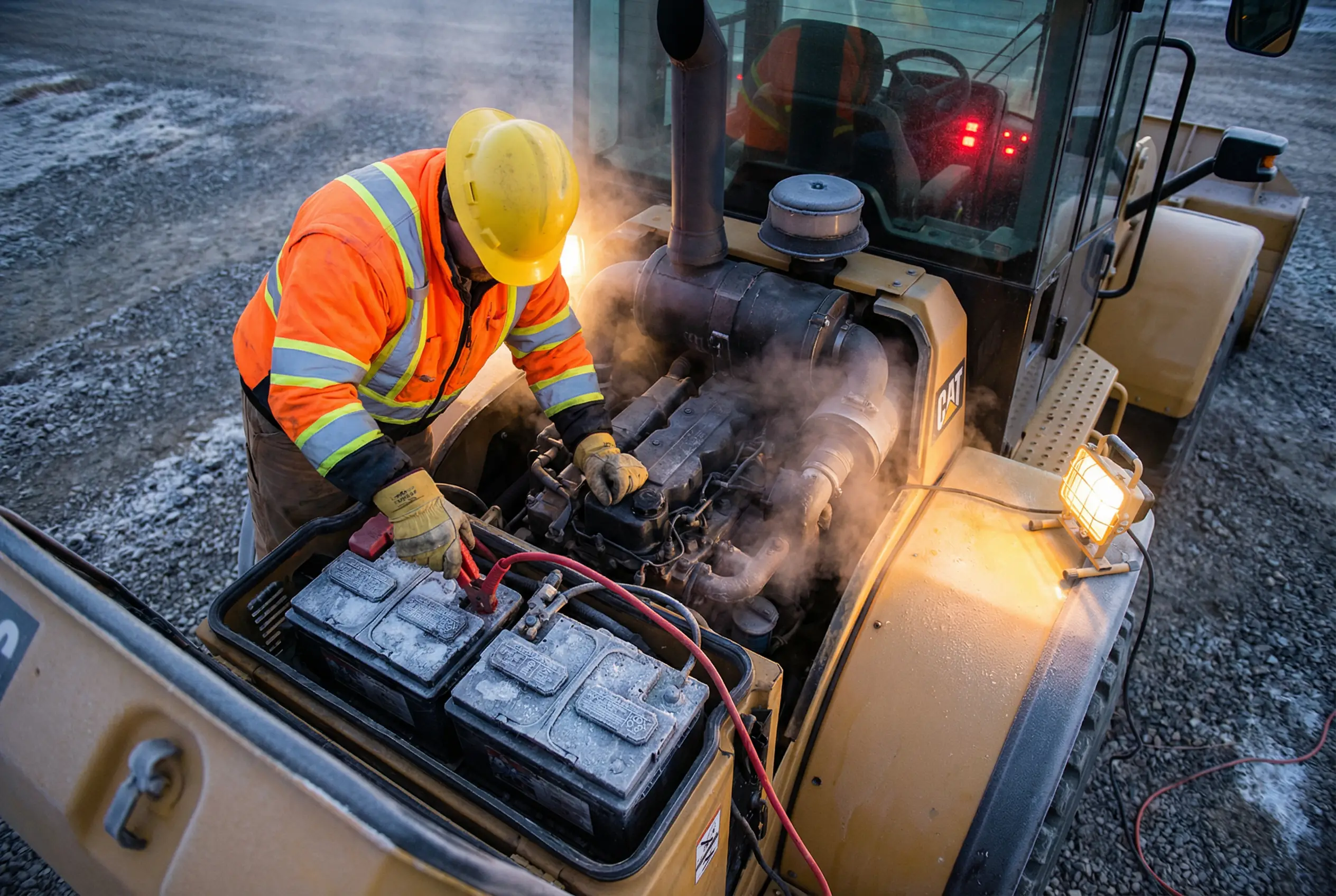
Construction equipment batteries lose approximately 35% of their cranking power at 32°F, and that loss accelerates dramatically as temperatures continue to fall below 20°F. At zero degrees, a battery may retain only 40-50% of its rated capacity, making reliable starts nearly impossible without assistance. The chemical reactions that generate electrical current in batteries slow significantly in cold temperatures, and the thickened engine oil your starter must turn creates additional resistance that demands even more power from an already compromised battery.
Winter battery preparation requires a multi-faceted approach. First, test all batteries before the coldest months arrive - batteries that struggle in autumn will fail completely in January and February. Replace any battery showing less than 80% capacity, as borderline batteries won't survive the season. Install battery blankets or heated battery boxes on critical equipment, maintaining battery temperature above freezing even during overnight shutdowns. For equipment that sits idle for days between uses, implement a battery maintenance charging program using temperature-compensated chargers that adjust charging rates based on ambient conditions. When replacement becomes necessary, choose batteries with higher Cold Cranking Amp (CCA) ratings than minimum specifications, providing additional margin for extreme weather conditions.
Starter Motors and Alternators
Starter motors face their toughest challenge in winter construction, forced to turn thickened oil while drawing maximum current from compromised batteries. The combination creates perfect conditions for starter failure - increased electrical resistance generates excessive heat, wearing brushes and damaging armatures. Alternators similarly struggle in cold weather, not from starting loads but from the increased electrical demand of heating systems, lights, and auxiliary equipment running continuously in winter conditions. Many operators unknowingly run their alternators at maximum output for hours, accelerating wear and leading to mid-winter failures that sideline equipment.
Prevention focuses on reducing the mechanical load on starters while ensuring electrical systems operate within design parameters. Use the correct viscosity engine oil for cold weather - switching to 0W-40 or 5W-40 synthetic oils dramatically reduces cranking resistance. Install engine block heaters on all diesel equipment, keeping engine oil warm and fluid overnight. This single modification can extend starter life by years while improving cold-start reliability. For alternators, conduct regular belt tension checks and bearing inspections - cold weather makes belts more prone to slipping while bearings in alternators experience increased stress from continuous high-output operation. Quality replacement parts from reliable suppliers like MCH Parts NYC ensure your electrical components can handle the demands of NYC winter construction without premature failure.
Wiring Harnesses and Connections
Electrical wiring and connections that perform flawlessly in summer become failure points in sub-zero temperatures. Wire insulation loses flexibility and can crack when moved or flexed in extreme cold, exposing conductors to moisture and corrosion. Electrical connections develop high resistance as dissimilar metals contract at different rates, creating poor contact that leads to voltage drops, intermittent failures, and mysterious electrical gremlins that plague winter operations. Battery cable connections are particularly vulnerable - even slight corrosion that doesn't affect summer performance can prevent starting in cold weather when every amp of current matters.
Inspect all visible wiring harnesses for cracking, brittleness, or damage before winter's peak, replacing compromised sections rather than attempting repairs. Clean all electrical connections, applying dielectric grease to protect against moisture infiltration and corrosion. Pay special attention to ground connections, which are often overlooked but critical for reliable operation. Poor grounds create excessive resistance that affects everything from starting performance to sensor readings. For equipment that operates in particularly harsh conditions, consider upgrading to cold-weather rated wiring harnesses designed with more flexible insulation that maintains pliability at sub-zero temperatures.
Fuel System Components: Preventing Gelling and Flow Restrictions
Fuel Filters and Water Separators
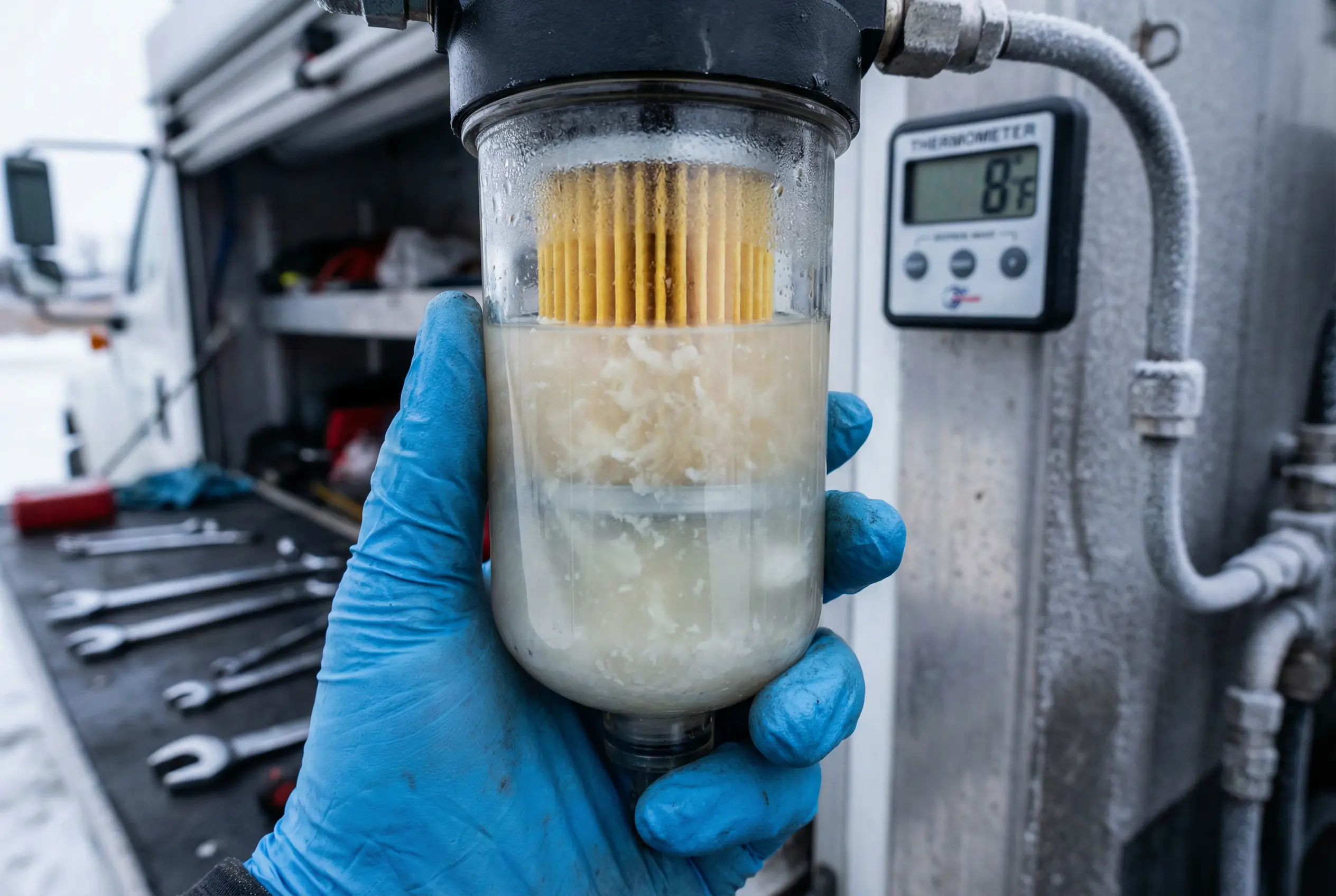
Diesel fuel's tendency to gel in cold weather makes fuel filters your first line of defense against equipment shutdown. Paraffin wax naturally present in diesel fuel begins crystallizing around 20°F, forming gel that clogs fuel filters and starves engines. Water that accumulates in fuel tanks during warmer months becomes ice in winter, blocking fuel pickups and filters while promoting microbial growth that further degrades fuel quality. A clogged fuel filter in sub-zero weather doesn't just stop your equipment - it often leads to air entering the fuel system, requiring bleeding procedures that waste valuable time and expose workers to bitter cold.
Winter fuel system maintenance must be proactive and preventive. Switch to winterized diesel fuel or winter-blend fuel additives that lower the gel point significantly below expected temperatures. Change fuel filters before winter's peak cold arrives, and consider upgrading to heated fuel filter assemblies on critical equipment. These heated filters maintain fuel temperature above gelling point, ensuring consistent flow even in the coldest conditions. Drain water separators daily during winter operation - the small amount of time invested prevents major problems. For equipment that may sit idle for days, keep fuel tanks full to minimize condensation, and add biocide treatments to prevent microbial growth in stored fuel. When replacement filters are needed, ensure they meet cold-weather specifications rather than simply matching part numbers - not all filters offer equivalent performance in extreme temperatures.
Fuel Lines and Injection Components
Fuel lines, particularly those routed outside the engine compartment or along exposed chassis members, are vulnerable to fuel gelling and restricted flow in extreme cold. Even with proper fuel additives, fuel moving through uninsulated lines can cool enough to begin gelling before reaching the engine. High-pressure fuel injection systems in modern diesel engines are particularly sensitive to fuel quality issues, as microscopic wax crystals can damage precision injection components, leading to expensive repairs that far exceed the cost of preventive measures.
Protect fuel lines by insulating exposed sections with proper cold-weather fuel line insulation or heat trace systems. For equipment operating regularly in sub-zero conditions, consider fuel line heating systems that maintain fuel temperature throughout the delivery path. Never attempt to thaw frozen fuel lines with open flames - this dangerous practice causes fires and damages fuel system components. Instead, move equipment to heated space or use approved electrical heating methods. Regular fuel system inspections should include checking for any air leaks in fuel lines and connections, as even minor leaks that cause no issues in warm weather can allow air infiltration in cold conditions, leading to hard starting and rough running. When sourcing replacement fuel system components, work with knowledgeable suppliers like MCH Parts NYC who can help specify parts appropriate for New York's winter conditions rather than generic components that may not withstand extreme cold.
Air System and Pneumatic Component Vulnerabilities
Air Compressors and Moisture Issues
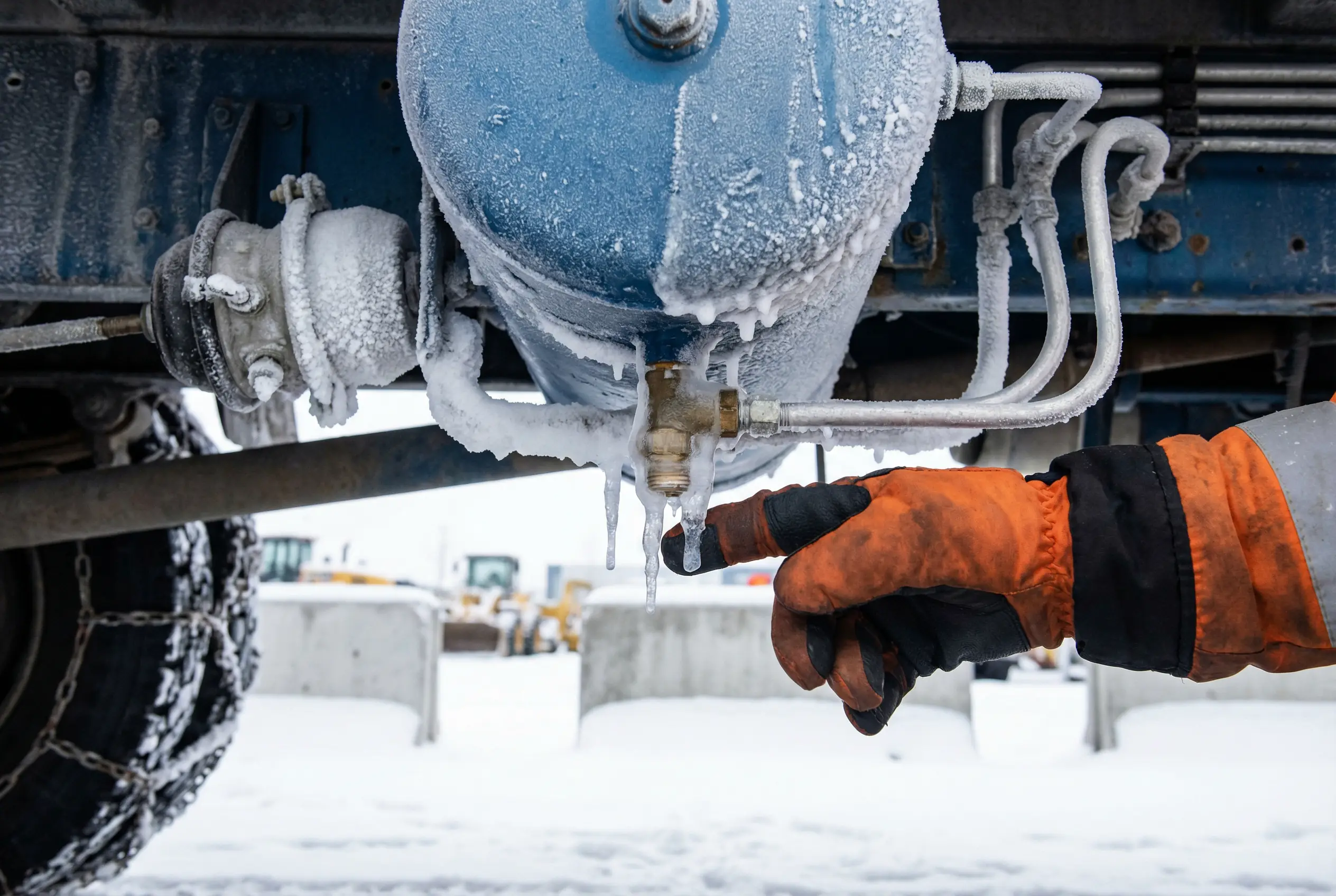
Air brake systems and pneumatic tools that construction equipment depends on face a unique winter challenge: moisture accumulation and freezing. As compressors compress ambient air, they also compress the moisture that air contains. This moisture condenses in air tanks, lines, and valves, and when temperatures drop below freezing, it becomes ice that blocks air passages, freezes valves, and can render entire air systems inoperative. A frozen air brake system isn't just an inconvenience - it's a safety hazard that can leave equipment stranded or unable to stop safely.
Combat moisture-related air system failures through multiple defensive layers. Install or upgrade air dryers on all equipment with air brake systems, ensuring they're properly maintained and functioning efficiently. Air dryers remove moisture before it enters the system, dramatically reducing ice formation potential. Drain air tanks daily, or multiple times daily in extremely cold weather - this simple maintenance task removes accumulated moisture before it can freeze. Add alcohol-based air line antifreeze to air systems as additional protection against freezing. For compressors themselves, ensure they're using appropriate lubricating oil for cold weather, as compressor oil can thicken in extreme cold, reducing lubrication effectiveness and accelerating wear. Check compressor drive belts regularly - cold weather makes belts more prone to cracking and breaking without warning.
Air Lines and Valve Assemblies
Air lines running along chassis members or between components face direct exposure to sub-zero temperatures, making them vulnerable to freeze-ups even when air tanks are properly maintained. Trace amounts of moisture that escape air dryers can freeze in these lines, creating ice plugs that block air flow. Pneumatic control valves experience similar issues, with moisture freezing in valve bodies and preventing proper operation. These failures often manifest intermittently, making diagnosis difficult and leaving operators unsure whether equipment is safe to operate.
Insulate exposed air lines wherever practical, paying particular attention to low points where moisture tends to accumulate. Install additional drain valves at low points in air line runs, allowing periodic draining of any accumulated moisture. For critical systems, consider heated air line systems that maintain line temperature above freezing. Regularly cycle all air-operated controls and valves during cold weather to prevent moisture from settling and freezing in one position. When replacing air system components, choose quality parts designed for cold-weather service - cheap replacement valves and fittings may not provide the reliability needed for NYC winter conditions. Application-specific guidance from experienced parts suppliers ensures you're installing components that will perform reliably when temperatures plunge below 20°F.
Pneumatic Tool Performance
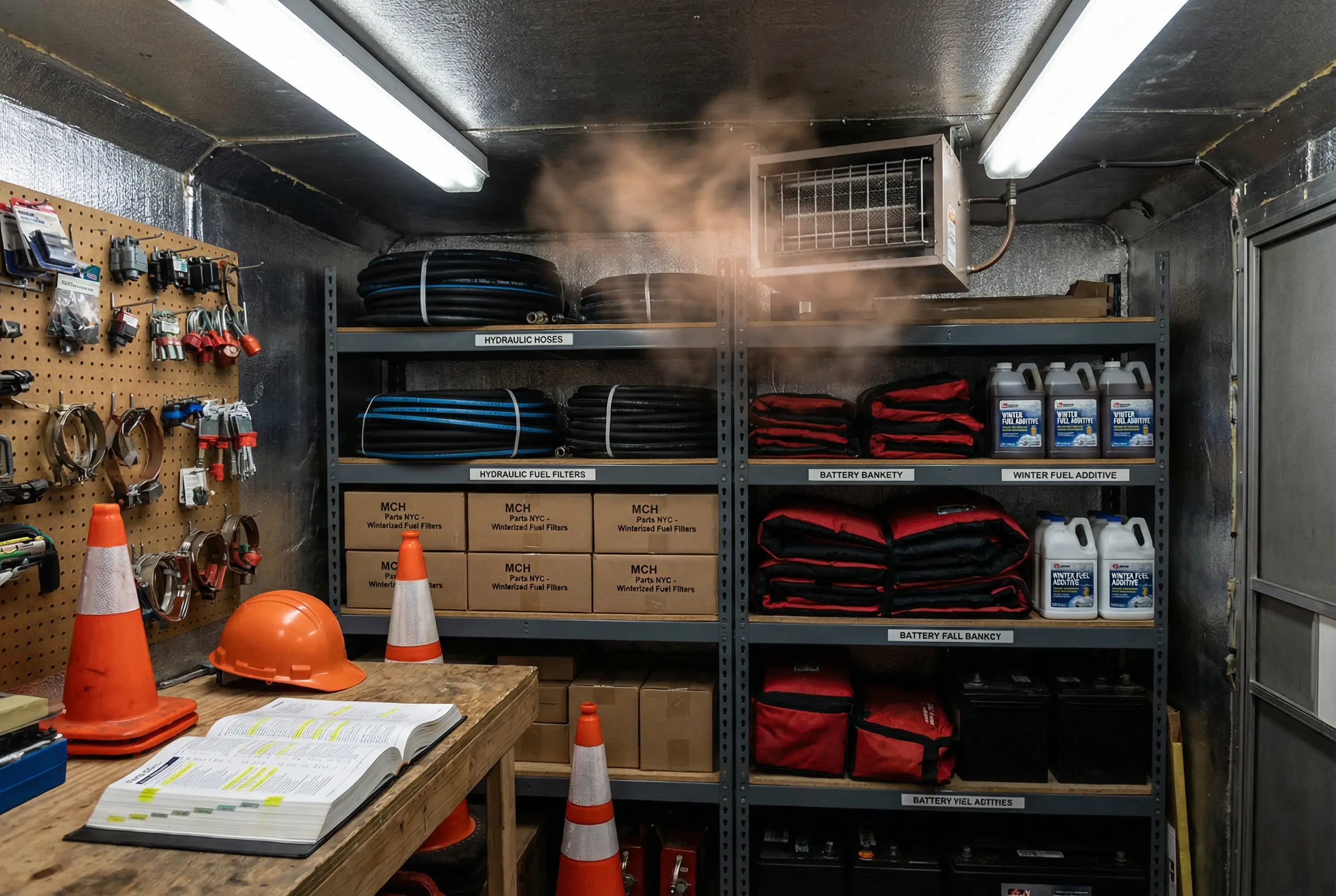
Handheld pneumatic tools used throughout construction sites experience significant performance degradation in cold weather, losing power and becoming less efficient as air moisture causes internal icing. Operators often compensate by running tools longer or applying more force, accelerating wear and leading to premature failure. Cold tool bodies also become uncomfortable to hold, reducing worker productivity and potentially causing safety issues as frozen hands lose dexterity.
Maintain pneumatic tools through winter by installing inline filters and oilers specifically at tool connection points, ensuring clean, lubricated air reaches the tool regardless of upstream system conditions. Store tools in heated areas between uses when possible, allowing them to start each shift at reasonable temperatures. Apply cold-weather pneumatic tool oil that remains fluid in freezing temperatures rather than thickening and reducing lubrication effectiveness. Consider providing tool warmers or heated storage for critical tools, ensuring they're ready for immediate use rather than requiring warm-up time. When tools fail despite preventive measures, replace them promptly rather than struggling with underperforming equipment - the productivity losses from degraded tool performance far exceed replacement costs.
Conclusion: Building Your Winter-Ready Equipment Strategy
Successfully navigating NYC's 2026 winter construction season requires more than hoping your equipment survives January's морозы and February's sustained cold - it demands a systematic approach to identifying vulnerable components and implementing proven prevention strategies before failures occur. The critical parts we've examined - hydraulic systems, batteries and electrical components, fuel delivery systems, and air/pneumatic assemblies - represent the difference between projects that maintain momentum through winter and those that face costly downtime when temperatures plummet below 20°F.
The economics of winter preparation are compelling: investing in cold-weather components, proper fluids, and heating systems costs a fraction of what emergency repairs and lost productivity demand. A single day of downtime due to frozen hydraulic lines or dead batteries can exceed the cost of properly winterizing an entire fleet. More importantly, proactive maintenance protects worker safety - equipment that fails unexpectedly in sub-zero conditions puts operators at risk and creates dangerous situations that proper preparation prevents.
Your winter equipment strategy should begin now, well before the season's coldest days arrive. Conduct thorough inspections of all critical systems, identifying components that show wear or vulnerability to cold-weather stress. Establish relationships with reliable parts suppliers like MCH Parts NYC who understand the specific demands of New York construction and can provide quality components when you need them. Stock essential spare parts on-site for components most likely to fail, ensuring quick replacement without waiting for deliveries during weather emergencies. Implement daily cold-weather maintenance routines that address moisture drainage, battery charging, and system warm-up procedures.
The construction equipment that powers through this winter season won't be the newest or most expensive - it will be the equipment with operators and managers who understood which parts fail in extreme cold and took action to prevent those failures. As February's continued freeze tests every system and component, your preparation today determines whether your projects stay on schedule or join the list of weather-delayed casualties. Winter construction success in NYC isn't about surviving the cold - it's about mastering it through knowledge, preparation, and the right parts at the right time.
Frequently Asked Questions
Q: How cold does it need to be before I should switch to winter-grade hydraulic fluid?
Most construction equipment should transition to winter-grade hydraulic fluid when nighttime temperatures consistently drop below 32°F, ideally before the first hard freeze. Standard hydraulic oils become significantly more viscous around 20°F, creating strain on pumps and sluggish operation. Winter-grade fluids maintain proper viscosity down to -40°F or lower, ensuring reliable cold-weather performance. If your equipment operates in NYC's winter conditions regularly, consider keeping winter-grade fluid in the system year-round - the slight cost difference is negligible compared to the protection it provides, and modern winter fluids perform well in warmer weather too.
Q: Can I jump-start heavy construction equipment the same way I would a car?
While the principle is similar, jump-starting heavy construction equipment requires significantly more caution due to higher voltages and current demands. Always use heavy-duty jumper cables rated for the equipment's battery capacity (many construction machines have 24-volt systems requiring special procedures). Connect positive to positive and negative to a good ground point rather than directly to the negative terminal. Never attempt to jump-start equipment with frozen batteries, as this can cause battery explosions. If batteries are frozen solid, they must be thawed and replaced - a frozen battery has suffered internal damage and is no longer safe to use. For large equipment, portable jump-start packs designed for commercial vehicles are safer and more convenient than using another machine.
Q: What's the most cost-effective way to prevent fuel gelling in a construction equipment fleet?
The most cost-effective approach combines multiple strategies. First, source winter-blend diesel fuel from reputable suppliers during cold months - the fuel comes pre-treated for cold weather. For equipment running summer-blend fuel as winter approaches, add fuel treatment additives at the ratio specified for your expected low temperatures (typically 1 ounce of additive per 10 gallons of fuel). Keep fuel tanks full to minimize condensation and water accumulation. For critical equipment, invest in heated fuel filter assemblies - the upfront cost is recovered after preventing just one fuel system failure. Finally, park equipment in sheltered areas or heated facilities when possible, protecting fuel systems from the coldest nighttime temperatures when gelling is most likely to occur.
Q: How often should I drain moisture from air systems during extreme cold weather?
During sub-zero weather, drain air tanks at minimum twice daily - once at the start of the shift and once midway through the day. For equipment operating continuously in temperatures below 10°F, drain every 2-3 hours if possible. Air compressors working in extreme cold generate more condensation than operators often realize, and that moisture quickly becomes ice in system components. Establishing a routine where operators drain air systems before starting and again during lunch breaks prevents most moisture-related air system failures. Mark drain valves with bright tags or labels as reminders, and include air system draining in your daily equipment inspection checklists. The 60 seconds spent draining air tanks multiple times per day prevents hours of downtime from frozen air lines or stuck valves.
Read More

Engine Air Filter vs. Cabin Filter 2026: EPA Guide

Radiator and Cooling System Parts: NYC Summer 2026

Bucket Teeth Selection 2026: Right Teeth for NYC Soil

Construction Equipment Filters 2026: Complete Replacement Schedule Updated

Track Replacement Guide 2026: How Long Do Undercarriage Parts Really Last?

Final Drive Troubleshooting 2026: 7 Warning Signs Before Complete Failure

Excavator Hydraulic Pump Replacement 2026: OEM vs Aftermarket Complete Guide

Weekend Equipment Breakdown: NYC After-Hours Parts Sourcing Guide 2026

Equipment Down in 2026? Get These 15 Critical Parts in NYC Within 2 Hours

NYC Port Modernization 2026: Heavy Equipment Parts for Hudson River Terminal Upgrades

Queens Is Being Built Right Now - Is Your Equipment Ready?

NYC High-Rise Construction Boom 2026: Parts for Record Number of Tower Projects

Brooklyn Navy Yard Construction: Specialized Parts for Historic Site Work

NYC DOB Construction Equipment Requirements 2026: Updated Parts & Modifications

Equipment Down in 2026? Get These 15 Critical Parts in NYC Within 2 Hours
NYC Winter 2026 Construction: Critical Parts That Fail Below 20°F : Prevention Guide

Prevent Crane Downtime with a Proactive Parts Roadmap

How to Prevent Downtime in Multi-Brand Earthmoving Fleets

How to Source OEM Undercarriage Parts Without Project Delays

Motor Grader Predictive Diagnostics: Prevent Hydraulic Failures & Reduce Downtime

Pesticide Sprayer Calibration: Essential Safety Compliance Guide & Protection

Seeder Bearing Parts Sourcing Guide: Critical Components & Strategy
Downtime Prevention Through Smart Inventory for Grain Dryers

Combine Harvester Breakdown Prevention Guide: Predictive Analytics for Zero Downtime

Master Global Agricultural Parts Delivery | Mid-Season MRO Guide

Fixing Haul Truck Downtime Issues: Remote Parts Strategy Guide 2025
Blasting Equipment Safety Compliance: Must-Know Audit Requirements for 2025

The Step-by-Step Guide to Global Drill Rig Consumables Sourcing

Mining Conveyor Maintenance Guide: Detecting Hidden Risks in Underground Systems

Best Practices for Certified Pipeline Valve Selection: From Specs to Installation

Optimizing Oil Rig PPE Delivery: Proven Strategies That Saved $2M Annually

FPSO Smart Parts Planning: Proven Methods to Cut Downtime

How FPSO Inspection Prevents Million-Dollar Shutdown Losses

Fix It Before It Breaks: A Farmer's Guide to Combine and Harvester Maintenance

Why Fast Tractor Parts Delivery is Changing Modern Farming [2025 Guide]

The Critical Farm Equipment Replacement Parts You Need Before Harvest 2025
.webp)
How to Double Your Farm Efficiency: Expert Guide to Smart Scaling

Cut Costs by 30%: Pre-Season Spare Parts Audit Checklist

Proven Success Factors for Agricultural Equipment Manufacturers in 2025

13 Overlooked Farm Spare Parts That Halt Operations — Pt. 2

13 Overlooked Farm Spare Parts That Halt Operations — Pt. 1

Top Hydraulic Components for Agricultural Equipment in 2025: Complete Guide

The Essential Farm Equipment Parts You Can't Afford to Run Out Of

How to Service Farm Equipment: A Farmer's Guide to Zero Harvest Downtime

Construction Machinery Parts Suppliers: Expert Selection Guide

How to Apply Machine Safety Rules: From Selection to Installation

Smart Diagnostics Cut Heavy Equipment Failures by 73%

5 Ways to Assess the Environmental Impact of Heavy Construction Machinery

10 Smart Ways to Pick Construction Machinery for 2025 Projects

Rent vs Purchase Equipment: What Heavy Industry Experts Hide

How to Implement a Construction Inventory Management System for Equipment Efficiency

How to Extend Equipment Life Expectancy with Regular Maintenance

Advanced Heavy Equipment Diagnostic Tools: Ensuring Construction Machinery Quality

Essential Features Your Construction Equipment Inventory System Needs
29 Quick Tips for Choosing Construction Equipment for Remote Locations

How to Select Construction Machinery with Optimal Equipment Maintenance in Mind

Top 25 Tips for Selecting Bulldozers for Construction Sites

Which Construction Loader is Best for Your Project Needs?

4 Key Steps to Form a Construction Machinery QC Team

15 Essential Tips for Selecting the Perfect Crane for Construction

Maximize Savings: Multi-Purpose Construction Machinery for Lower Costs

Affordable Heavy Equipment Parts: A Sourcing Guide

Choosing the Right Road Construction Equipment: A Complete Guide

Motor Graders: Key Elements to Consider for Optimal Selection

A Detailed Guide to Choosing Excavators for Construction Work

Top Tips for Choosing Cranes for Construction Projects
5 Top-Rated Demolition Machines for Construction Professionals

Expert Tips on Choosing Earthmoving Equipment for Large Projects
Top Functional Criteria for Selecting Heavy Construction Equipment

Construction Machinery: Detailed Guide to Equipment Specifications

Heavy Machinery Prices: Key Factors in Cost and Quality Balance

Best Construction Heavy Equipment Brands: Pros and Cons

Construction Site Equipment: How to Determine Your Requirements

Maximizing Safety: Risk Management for Construction Projects

Innovations in Construction: Transforming Machinery and Equipment

Heavy Equipment Safety: Beyond the Basics in Construction Compliance

The Essential Handbook for Construction Equipment Repair and Maintenance

How to Efficiently Source Oil and Gas Machinery Parts in NYC

Essential Guide to Sourcing Agriculture Equipment Parts

How to Source Mining Machinery Parts: Tips and Strategies