Brooklyn Navy Yard Construction: Specialized Parts for Historic Site Work
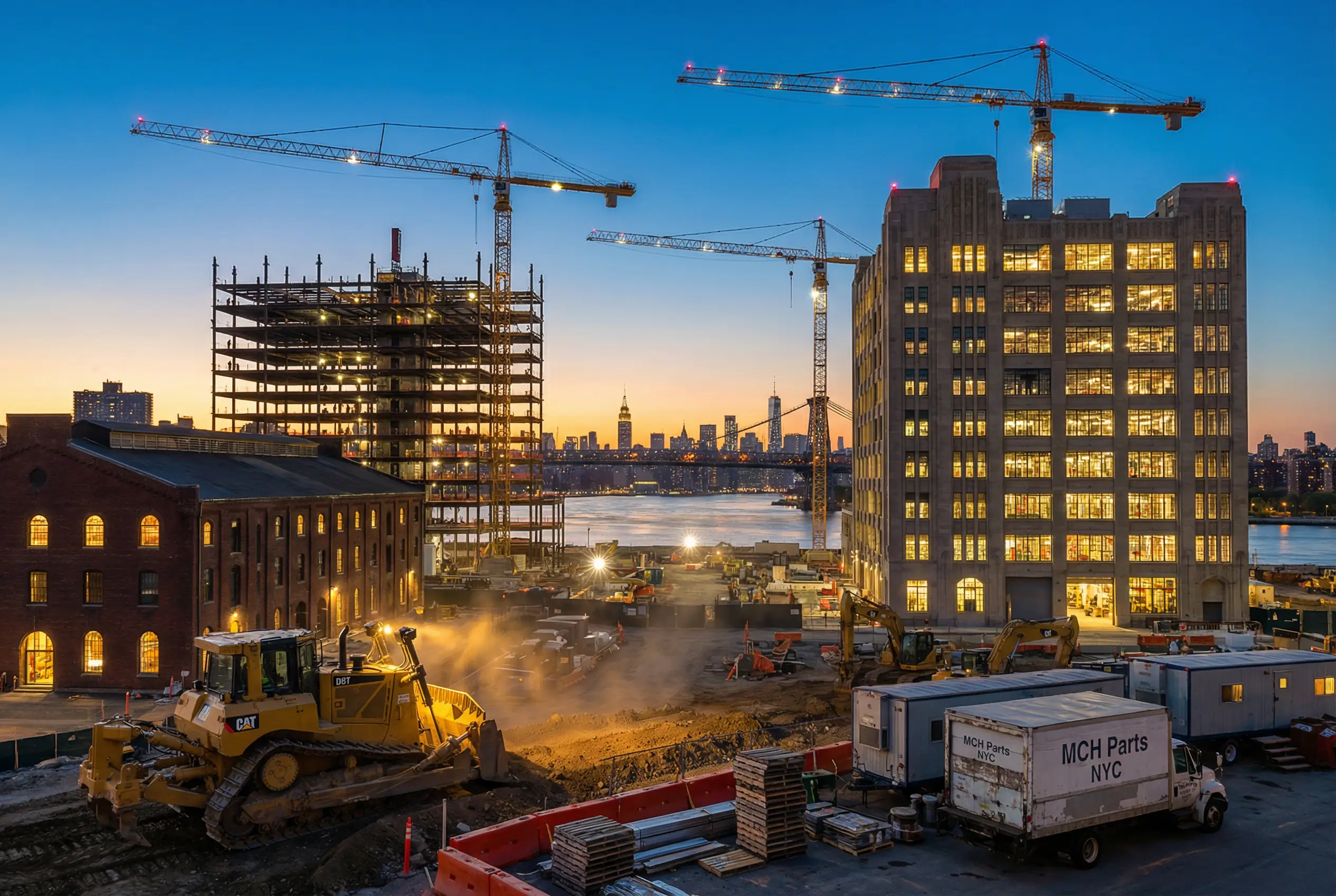
The Brooklyn Navy Yard stands as one of New York City's most ambitious construction and redevelopment projects in 2026. This 300-acre historic site, which once served as America's premier naval shipbuilding facility, is undergoing a remarkable transformation into a cutting-edge manufacturing and innovation hub. With a $2.5 billion master plan that aims to create 30,000 jobs and add 5.1 million square feet of vertical manufacturing space, the Brooklyn construction landscape has never been more dynamic - or more demanding of specialized equipment and parts.
Working on a site where history meets modern innovation requires contractors and equipment operators to navigate unique challenges. From preserving 19th-century timber structures and brick buildings to installing state-of-the-art infrastructure for tomorrow's manufacturers, every project at the Navy Yard demands precision, reliability, and access to high-quality construction equipment parts. For contractors working on Navy Yard projects, having a trusted supplier like MCH Parts NYC becomes essential for maintaining equipment performance in this demanding environment.
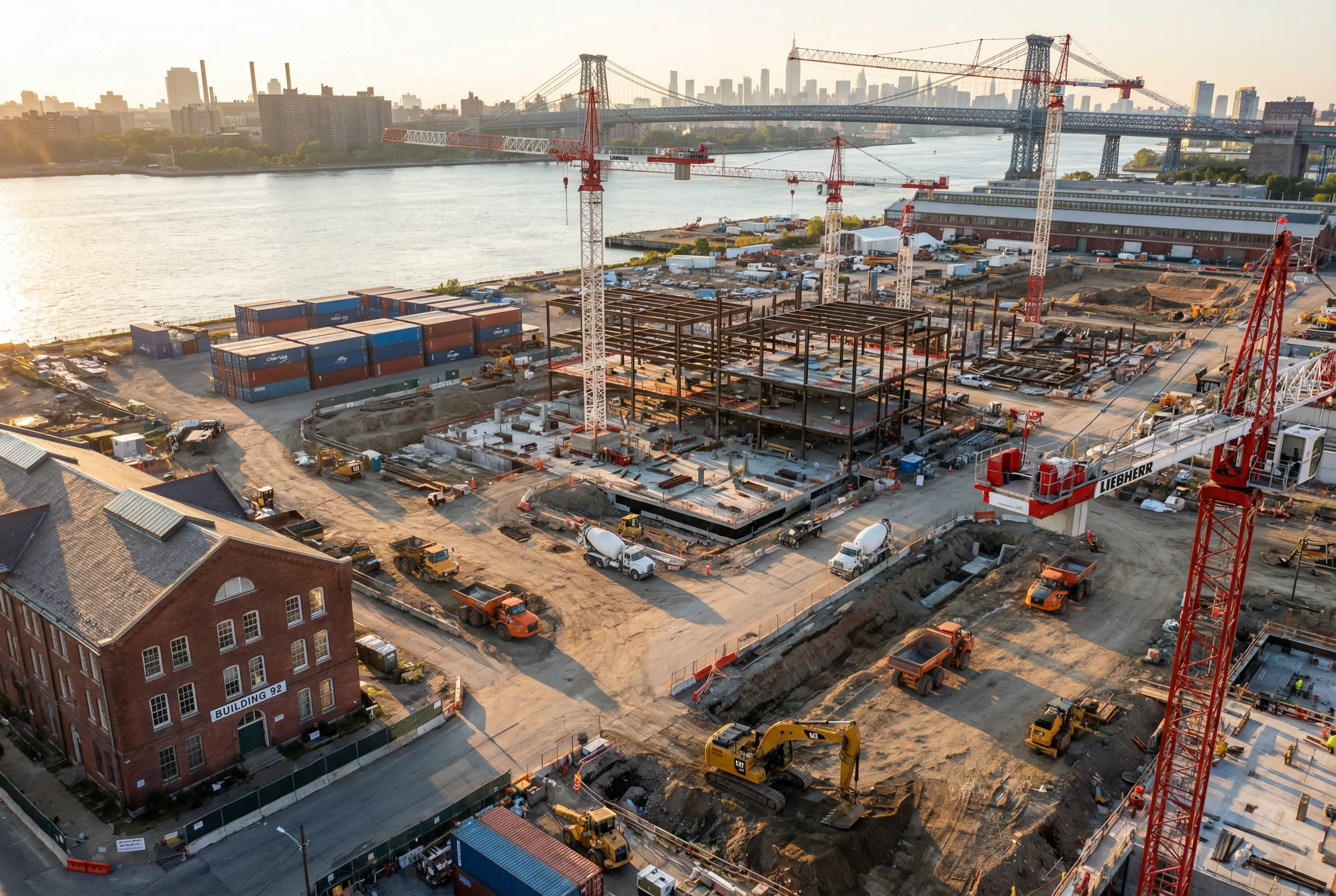
The Scope of Brooklyn Navy Yard Development in 2026
Massive Expansion Plans Transform Historic Landscape
The Brooklyn Navy Yard Development Corporation has outlined an unprecedented growth strategy that represents one of the most significant urban manufacturing developments in the country. The master plan centers around three key development sites - Kent, Flushing, and Navy - each featuring ground-up construction of vertical manufacturing spaces that will redefine how industrial work happens in urban environments.
The ambitious vision includes creating space that would accommodate approximately 30,000 jobs, with 75 percent dedicated to manufacturing positions and the remainder split between creative office work and amenity services. This isn't simply about building square footage; it's about creating an entirely new typology of industrial architecture that allows businesses to grow from small research and development operations to large-scale manufacturing - all within the same vertical structure.
Historic Preservation Meets Modern Construction
What makes Brooklyn construction at the Navy Yard particularly challenging is the dual mandate of preservation and innovation. The site includes dozens of historic structures, some dating back more than 200 years. Building 92, designed in 1857, serves as the Yard's public gateway and required extensive renovation including foundation stabilization with new pile systems, masonry restoration, and structural upgrades to support massive historic artifacts including a 12-ton ship's anchor.
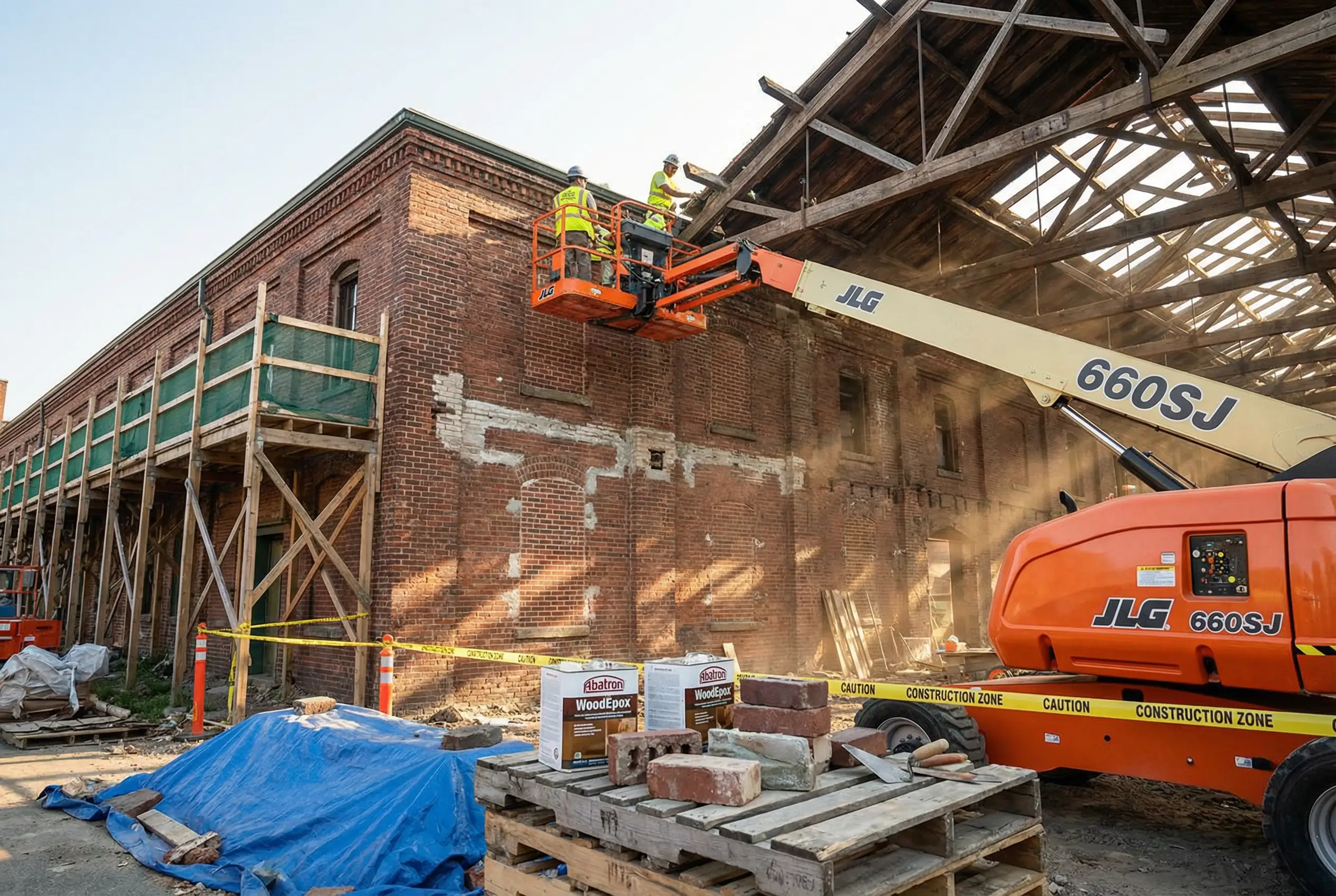
The timber shed Building 16, constructed between 1833 and 1853, represents one of the oldest structures on site. Contractors working with these historic buildings must balance modern building codes and contemporary manufacturing needs with careful preservation of architectural heritage. This requires specialized approaches to structural reinforcement, material conservation, and infrastructure upgrades that don't compromise historical integrity.
Infrastructure Modernization for 21st Century Manufacturing
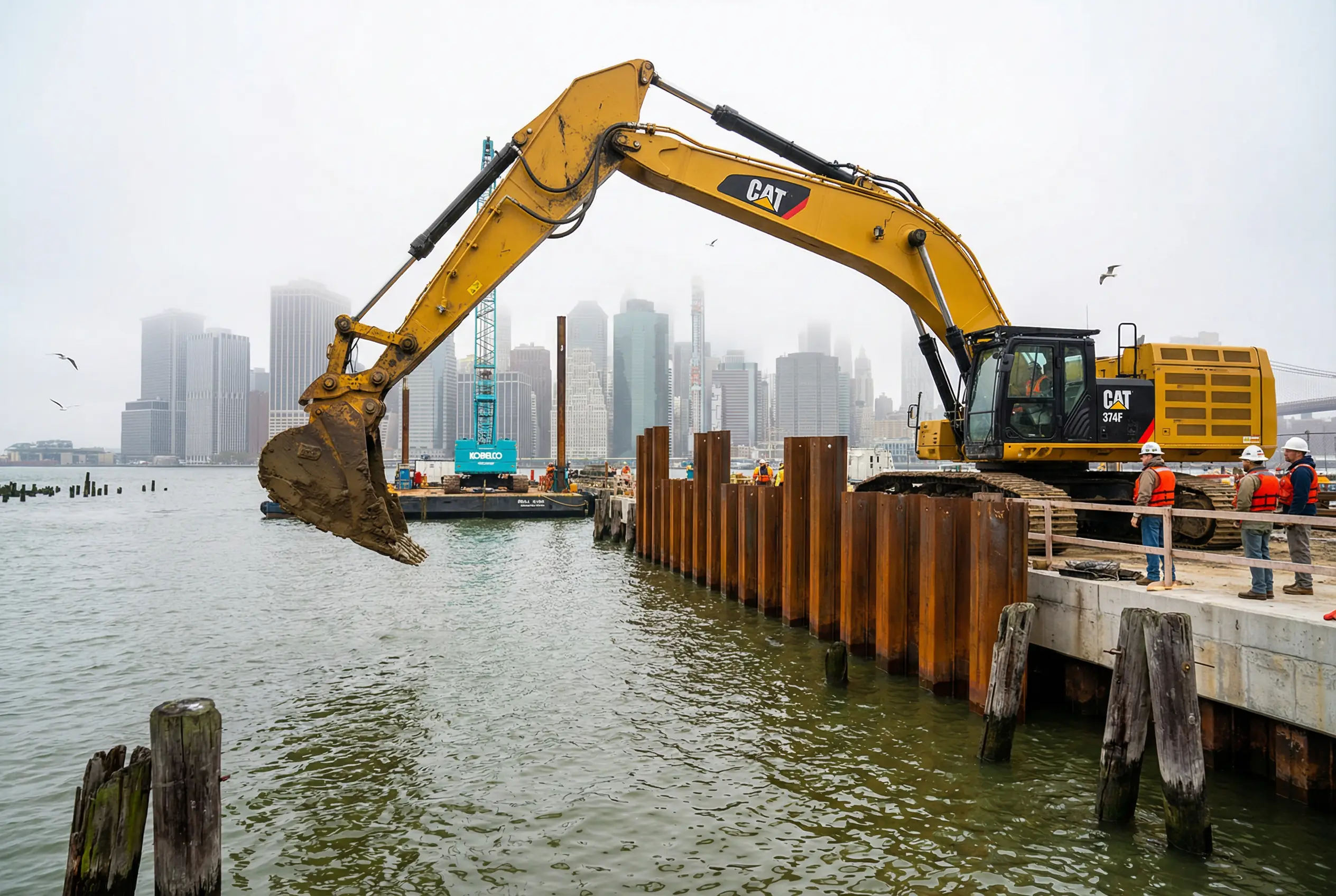
Beyond building restoration, the Navy Yard expansion includes comprehensive infrastructure improvements essential for supporting modern manufacturing operations. These include new water and sewer systems, upgraded electrical distribution networks, improved roadways, and enhanced bulkhead walls and pile foundations to maintain maritime activity along the waterfront.
For equipment operators and contractors, this infrastructure work presents unique logistical challenges. Working in an active industrial park with 550+ existing businesses and 13,000 current workers means construction must proceed while minimizing disruption. Equipment reliability becomes paramount - there's simply no room for breakdowns or delays caused by equipment failures.
Specialized Equipment Requirements for Historic Site Construction
Heavy Machinery Adapted for Sensitive Environments
Construction work at historic sites like the Brooklyn Navy Yard requires heavy machinery that can deliver modern performance while operating in spaces designed for 19th-century workflows. Excavators, bulldozers, and cranes must navigate narrow streets laid out in the 1820s, work around fragile historic structures, and operate on ground conditions that range from solid industrial foundations to areas with challenging soil characteristics, including the quicksand conditions that historically plagued the site.
This environment places extraordinary stress on construction equipment. Hydraulic systems work overtime in tight quarters requiring precise movements. Undercarriage components face accelerated wear from frequent repositioning on varied terrain. Engine components must deliver consistent power output despite constant load changes as equipment moves between demolition, excavation, and precision placement tasks.
Precision Parts for Restoration Projects
Historic preservation work at the Navy Yard has involved specialized restoration of wood beams and roof trusses, with contractors completing roughly 35 percent of all jobs at the facility. This type of work demands equipment with exceptional precision and reliability. Boom lifts must position workers exactly for delicate restoration work. Material handling equipment must move fragile historic materials without damage. Even seemingly simple tasks like drilling or cutting require tools that can be precisely controlled to avoid compromising century-old structural elements.
When equipment operates at this level of precision, component quality becomes critical. Worn hydraulic cylinders can introduce unwanted movement. Degraded electrical connections can cause intermittent control issues. Even something as basic as a loose track roller bearing can compromise positioning accuracy. For contractors working on historic preservation projects, sourcing reliable parts from suppliers like MCH Parts NYC ensures their equipment maintains the precision these demanding applications require.
Marine and Waterfront Construction Demands
The Brooklyn Navy Yard's waterfront location adds another layer of equipment challenges. The site includes five piers with ten berths requiring ongoing maintenance and rehabilitation. Marine construction work subjects equipment to harsh conditions including salt air exposure, moisture infiltration, and the constant challenge of working on or near water.
Hydraulic systems face accelerated seal deterioration in marine environments. Electrical components require enhanced corrosion protection. Structural steel and undercarriage components need regular inspection and maintenance to prevent rust-related failures. Contractors working on waterfront projects at the Navy Yard need access to marine-grade parts and components specifically designed to withstand these harsh operating conditions.
Sourcing Quality Parts for Navy Yard Construction Projects
The Critical Role of Reliable Parts Suppliers
In an environment where project delays can cascade across multiple interconnected construction activities, equipment uptime isn't just convenient - it's essential. The difference between a completed project and a costly delay often comes down to how quickly a contractor can source the right part when equipment fails or requires maintenance.
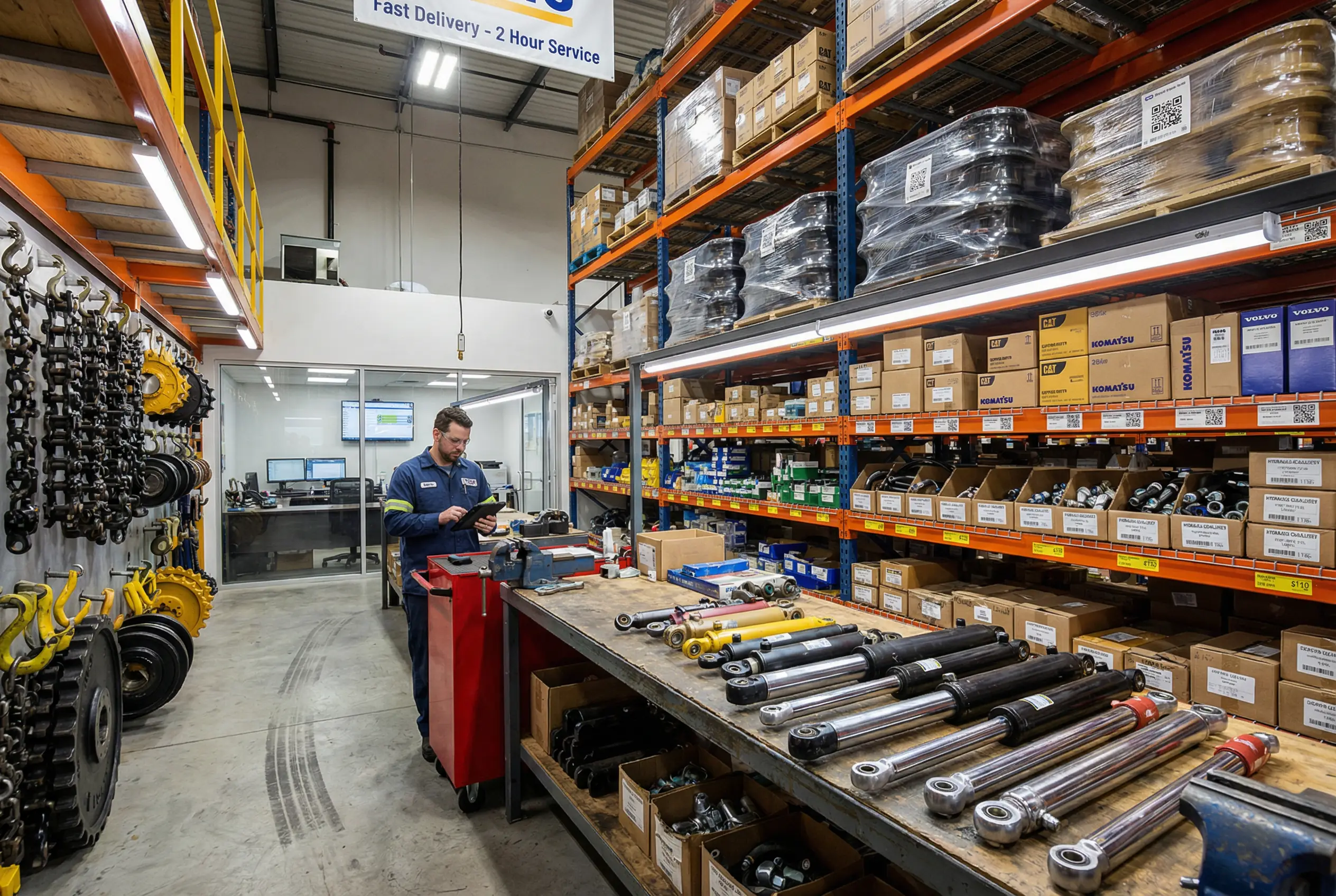
MCH Parts NYC serves the New York construction market with a comprehensive inventory of equipment parts designed to keep contractors operating. From hydraulic components and engine parts to undercarriage systems and electrical components, having access to quality parts means less downtime and more productive hours on site.
Parts Quality Standards for Demanding Applications
Not all replacement parts are created equal, and nowhere is this more evident than in demanding construction environments like the Brooklyn Navy Yard. Historic site work requires equipment that can deliver consistent, reliable performance day after day. This means parts must meet or exceed OEM specifications for:
- Material Quality: Components manufactured from proper grade materials that can withstand the stress cycles of heavy construction work
- Dimensional Accuracy: Parts that fit precisely, maintaining proper clearances and alignments critical for equipment performance
- Durability: Components designed for extended service life, reducing the frequency of replacement and maintenance interventions
- Compatibility: Parts that integrate seamlessly with existing equipment systems without requiring modifications or workarounds
Working with established parts suppliers who understand these requirements ensures contractors get components that will perform reliably in real-world conditions, not just meet minimum specifications on paper.
Local Availability and Rapid Response
For Brooklyn construction projects, parts availability isn't just about having the right component - it's about having it when you need it. The Brooklyn Navy Yard operates in one of the most congested urban environments in the country. Transportation delays, delivery windows, and site access restrictions all impact how quickly parts can reach equipment in the field.
Local suppliers with inventory in the New York area can often provide same-day or next-day delivery for critical components. This rapid response capability can mean the difference between a brief maintenance stop and a multi-day project delay. For contractors managing tight schedules and milestone-based payment structures, having a reliable local parts source becomes a competitive advantage.
Future of Brooklyn Navy Yard Construction and Equipment Needs
Emerging Technologies in Urban Manufacturing
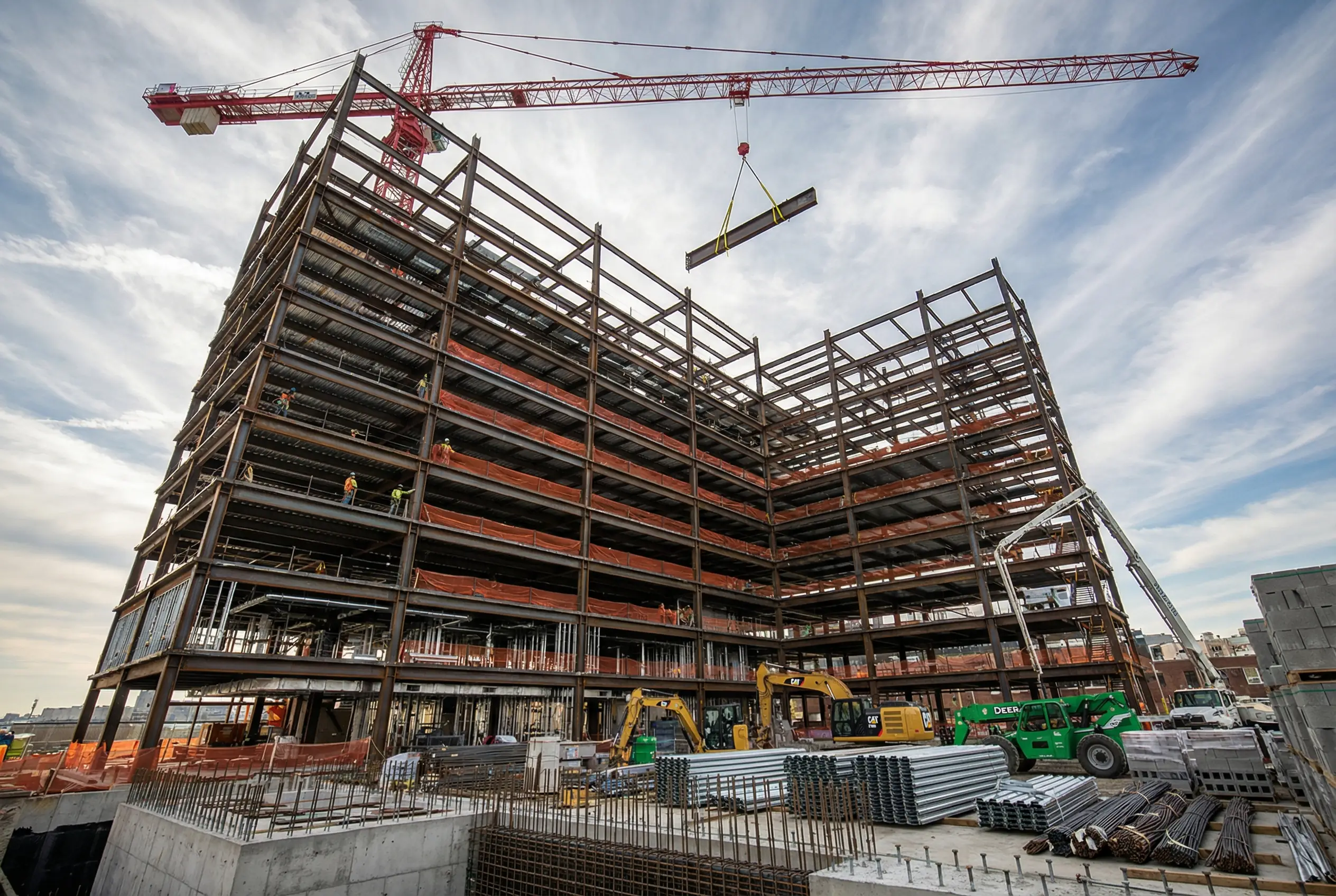
As the Navy Yard continues its evolution into a vertical manufacturing hub, construction techniques and equipment requirements will continue to advance. The emphasis on sustainable construction methods, including the use of geothermal HVAC systems, solar power, and stormwater management systems, requires construction equipment capable of supporting these advanced installations.
Future construction projects will likely incorporate more modular construction techniques, as demonstrated by Building 92's addition which utilized factory-built modules erected in just four days. This approach requires different equipment capabilities - less traditional excavation and foundation work, more precision placement and connection work using cranes and material handlers with exceptional control systems.
Preparing for Increased Construction Activity
The Navy Yard's development plan represents a $2.5 billion investment that will unfold over multiple years. This sustained construction activity creates long-term opportunities for contractors while also demanding sustained equipment performance. Contractors working on multi-year Navy Yard projects need to think strategically about equipment maintenance, parts inventory management, and supplier relationships.
Establishing relationships with reliable parts suppliers before equipment issues arise ensures contractors can maintain operational continuity. Understanding lead times for specialized components, identifying critical spare parts worth keeping in inventory, and developing preventive maintenance schedules all contribute to minimizing unexpected downtime.
Building Resilience into Operations
The Brooklyn Navy Yard has developed a resilience strategy to protect against climate change impacts and extreme weather events. For contractors, operational resilience means having backup plans for equipment failures, maintaining relationships with multiple suppliers, and keeping critical equipment maintained to prevent failures during crucial project phases.
This resilience extends to parts sourcing. Contractors who work exclusively with single-source suppliers or who wait until failure to order replacement parts put their operations at risk. Diversifying supplier relationships while prioritizing quality and reliability creates a more robust operation capable of weathering supply chain disruptions or unexpected parts availability issues.
Conclusion: Success Through Preparation and Partnership
The Brooklyn Navy Yard represents the future of urban manufacturing and historic preservation coexisting in productive harmony. As this ambitious development continues through 2026 and beyond, contractors working on these projects will face unique challenges that demand both technical excellence and operational reliability. Success in this environment requires more than skilled operators and quality equipment - it demands access to reliable parts and components that keep machinery operating at peak performance.
From restoring 200-year-old timber structures to building cutting-edge vertical manufacturing facilities, every project at the Navy Yard pushes equipment to its limits. Hydraulic systems must deliver precision control. Engines must provide consistent power. Undercarriage components must withstand varied terrain and constant repositioning. When any of these systems fail, the entire project timeline can be jeopardized.
Partnering with established parts suppliers like MCH Parts NYC gives contractors the confidence that comes from knowing critical components are available when needed. Whether it's a routine maintenance item or an unexpected failure requiring immediate attention, having reliable access to quality parts transforms equipment management from a constant source of stress into a manageable operational consideration.
As the Brooklyn Navy Yard continues its transformation into one of America's premier urban manufacturing centers, the contractors, equipment operators, and skilled tradespeople who bring this vision to life will write the next chapter in this historic site's remarkable story. By maintaining their equipment with quality parts, planning proactively for maintenance needs, and building relationships with reliable suppliers, these professionals ensure that historic site equipment continues performing at the level these extraordinary projects demand.
Frequently Asked Questions
Q: What makes construction at the Brooklyn Navy Yard different from typical commercial construction projects?
A: Brooklyn Navy Yard construction combines three unique challenges: working within a National Register Historic District requiring careful preservation of 19th-century structures, operating in an active industrial park with 550+ existing businesses, and building modern vertical manufacturing facilities that support cutting-edge urban industrial operations. This requires equipment that can handle precision historic restoration work, adapt to tight urban site conditions, and support large-scale modern construction - often all on the same project.
Q: Why is equipment parts quality so critical for Navy Yard construction projects?
A: The interconnected nature of Navy Yard projects means delays cascade quickly across multiple contractors and activities. Historic preservation work demands precision that only properly maintained equipment can deliver. Additionally, working in an active industrial park with limited staging areas means equipment must be reliable - there's often nowhere to store backup machinery or wait for parts. Quality parts ensure equipment maintains the performance levels these demanding applications require while minimizing downtime that can derail project schedules.
Q: How do marine and waterfront conditions at the Navy Yard affect construction equipment?
A: The Brooklyn Navy Yard's waterfront location on the East River exposes equipment to salt air, moisture, and marine conditions that accelerate corrosion and deterioration of components. Hydraulic seals, electrical connections, and structural steel all face challenges from this environment. Equipment working near the water requires more frequent inspection and maintenance, and parts must meet higher standards for corrosion resistance. Contractors should prioritize marine-grade components and maintain more aggressive preventive maintenance schedules for equipment operating in these conditions.
Q: What types of specialized parts are most commonly needed for Brooklyn Navy Yard construction projects?
A: The diverse nature of Navy Yard construction creates demand for a wide range of parts. Hydraulic components - cylinders, hoses, fittings, and control valves - are critical for precision work on historic structures. Undercarriage parts including track rollers, idlers, and sprockets face accelerated wear from constant repositioning on varied terrain. Engine components and filters require regular replacement to maintain power output in demanding applications. Electrical components including sensors, switches, and connectors need replacement to maintain precise equipment control. Having a supplier with comprehensive inventory across these categories minimizes sourcing challenges and reduces downtime.
Read More

Engine Air Filter vs. Cabin Filter 2026: EPA Guide

Radiator and Cooling System Parts: NYC Summer 2026
Bucket Teeth Selection 2026: Right Teeth for NYC Soil

Construction Equipment Filters 2026: Complete Replacement Schedule Updated
Track Replacement Guide 2026: How Long Do Undercarriage Parts Really Last?
Final Drive Troubleshooting 2026: 7 Warning Signs Before Complete Failure
Excavator Hydraulic Pump Replacement 2026: OEM vs Aftermarket Complete Guide

Weekend Equipment Breakdown: NYC After-Hours Parts Sourcing Guide 2026

Equipment Down in 2026? Get These 15 Critical Parts in NYC Within 2 Hours

NYC Port Modernization 2026: Heavy Equipment Parts for Hudson River Terminal Upgrades
Queens Is Being Built Right Now - Is Your Equipment Ready?

NYC High-Rise Construction Boom 2026: Parts for Record Number of Tower Projects
Brooklyn Navy Yard Construction: Specialized Parts for Historic Site Work
NYC DOB Construction Equipment Requirements 2026: Updated Parts & Modifications
Equipment Down in 2026? Get These 15 Critical Parts in NYC Within 2 Hours
NYC Winter 2026 Construction: Critical Parts That Fail Below 20°F : Prevention Guide
Prevent Crane Downtime with a Proactive Parts Roadmap
How to Prevent Downtime in Multi-Brand Earthmoving Fleets

How to Source OEM Undercarriage Parts Without Project Delays
Motor Grader Predictive Diagnostics: Prevent Hydraulic Failures & Reduce Downtime

Pesticide Sprayer Calibration: Essential Safety Compliance Guide & Protection

Seeder Bearing Parts Sourcing Guide: Critical Components & Strategy
Downtime Prevention Through Smart Inventory for Grain Dryers

Combine Harvester Breakdown Prevention Guide: Predictive Analytics for Zero Downtime

Master Global Agricultural Parts Delivery | Mid-Season MRO Guide

Fixing Haul Truck Downtime Issues: Remote Parts Strategy Guide 2025
Blasting Equipment Safety Compliance: Must-Know Audit Requirements for 2025

The Step-by-Step Guide to Global Drill Rig Consumables Sourcing
Mining Conveyor Maintenance Guide: Detecting Hidden Risks in Underground Systems
Best Practices for Certified Pipeline Valve Selection: From Specs to Installation

Optimizing Oil Rig PPE Delivery: Proven Strategies That Saved $2M Annually
FPSO Smart Parts Planning: Proven Methods to Cut Downtime

How FPSO Inspection Prevents Million-Dollar Shutdown Losses

Fix It Before It Breaks: A Farmer's Guide to Combine and Harvester Maintenance

Why Fast Tractor Parts Delivery is Changing Modern Farming [2025 Guide]

The Critical Farm Equipment Replacement Parts You Need Before Harvest 2025
.webp)
How to Double Your Farm Efficiency: Expert Guide to Smart Scaling
Cut Costs by 30%: Pre-Season Spare Parts Audit Checklist

Proven Success Factors for Agricultural Equipment Manufacturers in 2025

13 Overlooked Farm Spare Parts That Halt Operations — Pt. 2

13 Overlooked Farm Spare Parts That Halt Operations — Pt. 1

Top Hydraulic Components for Agricultural Equipment in 2025: Complete Guide
The Essential Farm Equipment Parts You Can't Afford to Run Out Of

How to Service Farm Equipment: A Farmer's Guide to Zero Harvest Downtime
Construction Machinery Parts Suppliers: Expert Selection Guide
How to Apply Machine Safety Rules: From Selection to Installation

Smart Diagnostics Cut Heavy Equipment Failures by 73%

5 Ways to Assess the Environmental Impact of Heavy Construction Machinery
10 Smart Ways to Pick Construction Machinery for 2025 Projects
Rent vs Purchase Equipment: What Heavy Industry Experts Hide

How to Implement a Construction Inventory Management System for Equipment Efficiency
How to Extend Equipment Life Expectancy with Regular Maintenance
Advanced Heavy Equipment Diagnostic Tools: Ensuring Construction Machinery Quality

Essential Features Your Construction Equipment Inventory System Needs
29 Quick Tips for Choosing Construction Equipment for Remote Locations

How to Select Construction Machinery with Optimal Equipment Maintenance in Mind
Top 25 Tips for Selecting Bulldozers for Construction Sites
Which Construction Loader is Best for Your Project Needs?

4 Key Steps to Form a Construction Machinery QC Team

15 Essential Tips for Selecting the Perfect Crane for Construction

Maximize Savings: Multi-Purpose Construction Machinery for Lower Costs
Affordable Heavy Equipment Parts: A Sourcing Guide
Choosing the Right Road Construction Equipment: A Complete Guide

Motor Graders: Key Elements to Consider for Optimal Selection
A Detailed Guide to Choosing Excavators for Construction Work
Top Tips for Choosing Cranes for Construction Projects
5 Top-Rated Demolition Machines for Construction Professionals

Expert Tips on Choosing Earthmoving Equipment for Large Projects
Top Functional Criteria for Selecting Heavy Construction Equipment

Construction Machinery: Detailed Guide to Equipment Specifications
Heavy Machinery Prices: Key Factors in Cost and Quality Balance
Best Construction Heavy Equipment Brands: Pros and Cons
Construction Site Equipment: How to Determine Your Requirements
Maximizing Safety: Risk Management for Construction Projects

Innovations in Construction: Transforming Machinery and Equipment
Heavy Equipment Safety: Beyond the Basics in Construction Compliance

The Essential Handbook for Construction Equipment Repair and Maintenance

How to Efficiently Source Oil and Gas Machinery Parts in NYC

Essential Guide to Sourcing Agriculture Equipment Parts

How to Source Mining Machinery Parts: Tips and Strategies