Pesticide Sprayer Calibration: Essential Safety Compliance Guide & Protection

In today's agricultural landscape, maintaining proper sprayer safety compliance isn't just good practice - it's a legal requirement that can make or break your operation. With increasing regulatory scrutiny and environmental concerns, agricultural professionals face mounting pressure to ensure their pesticide application equipment meets strict safety and performance standards. A single compliance failure can result in hefty fines, crop damage, environmental contamination, and serious liability issues.
This comprehensive guide will walk you through the essential elements of pesticide sprayer calibration safety compliance, helping you establish robust procedures that protect your business, your workers, and the environment. Whether you're managing a large commercial operation or a smaller agricultural business, understanding these compliance requirements is crucial for sustainable and profitable farming practices.
Understanding Regulatory Limits and Compliance Standards
Federal EPA Requirements for Pesticide Application
The Environmental Protection Agency (EPA) sets stringent guidelines for pesticide application equipment under the Federal Insecticide, Fungicide, and Rodenticide Act (FIFRA). These regulations mandate that all spraying equipment must deliver accurate application rates as specified on pesticide labels. Non-compliance can result in violations carrying penalties up to $19,246 per incident for commercial operators.
Key federal requirements include maintaining application accuracy within ±10% of the target rate, ensuring uniform distribution patterns, and preventing drift beyond treated areas. Operators must also maintain detailed records of all calibration activities and equipment modifications.

State-Level Compliance Variations
While federal regulations provide the baseline, individual states often impose additional requirements that can be more restrictive. Many states require annual equipment inspections, certified operator training, and specific documentation protocols. Some agricultural regions have implemented drift reduction technology mandates and buffer zone requirements that directly impact sprayer calibration needs.
Need professional-grade replacement parts to maintain compliance? Visit MCH Parts NYC for certified sprayer components that meet all regulatory standards.
Documentation and Record-Keeping Standards
Proper documentation serves as your first line of defense during regulatory inspections. Required records typically include calibration certificates, maintenance logs, operator certifications, and application reports. Most jurisdictions require these records to be maintained for a minimum of three years, with some extending to five years for commercial operations.
Digital record-keeping systems have become increasingly popular for their ability to automatically timestamp entries, prevent data manipulation, and provide instant access during inspections. These systems also facilitate compliance reporting and can generate automated alerts when calibration or maintenance deadlines approach.
Insurance and Liability Considerations
Agricultural insurance policies increasingly require proof of equipment compliance and proper maintenance. Failure to maintain adequate calibration records can void coverage in case of environmental damage or crop injury claims. Many insurers now offer premium discounts for operations that exceed minimum compliance requirements and maintain certified equipment.
Comprehensive Nozzle Wear Testing Protocols
Understanding Nozzle Degradation Patterns
Nozzles represent the most critical component in maintaining sprayer safety compliance, as even minor wear can significantly impact application accuracy. Research indicates that nozzle wear patterns vary dramatically based on material composition, operating pressure, and chemical exposure. Ceramic and stainless steel nozzles typically maintain accuracy longer than plastic alternatives, but all nozzles require regular testing regardless of material.
Wear patterns typically manifest as increased flow rates, altered spray patterns, and reduced droplet uniformity. These changes can occur gradually, making visual inspection insufficient for compliance purposes. Professional testing equipment can detect wear that compromises accuracy long before it becomes visually apparent.
Flow Rate Testing Procedures
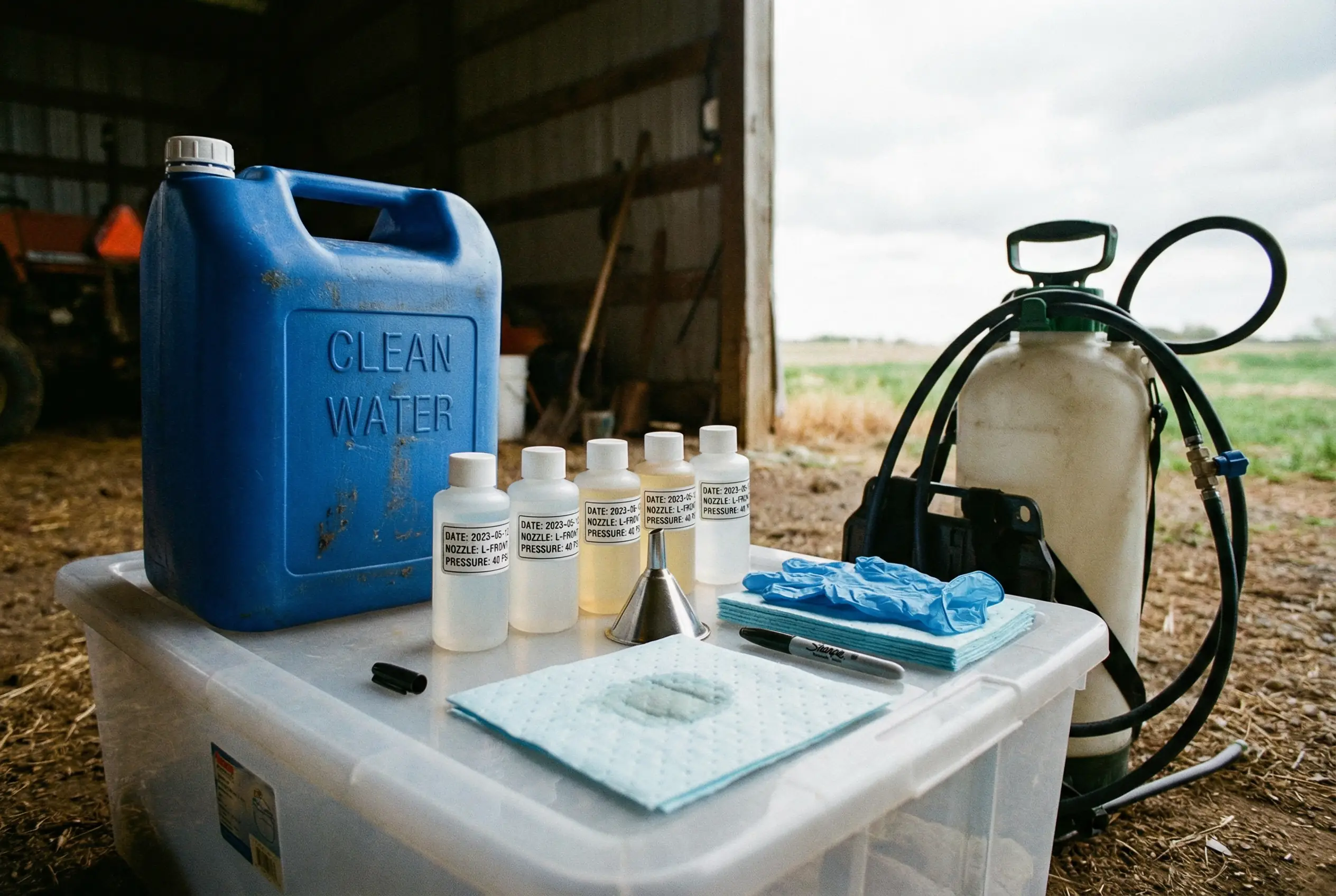
Accurate flow rate testing requires standardized procedures and calibrated equipment. Begin by collecting flow samples from each nozzle position for exactly 30 seconds at operating pressure. Compare measured flows to manufacturer specifications, noting any nozzle that deviates more than ±5% from the rated output.
Temperature affects viscosity and flow rates, so always conduct tests under consistent conditions. Water temperature should be maintained between 60-70°F for accurate results. Document all test conditions, including pressure settings, temperature, and testing equipment calibration dates.
Ensure accurate testing with high-quality replacement nozzles and testing equipment from MCH Parts NYC.
Pattern Testing and Uniformity Assessment
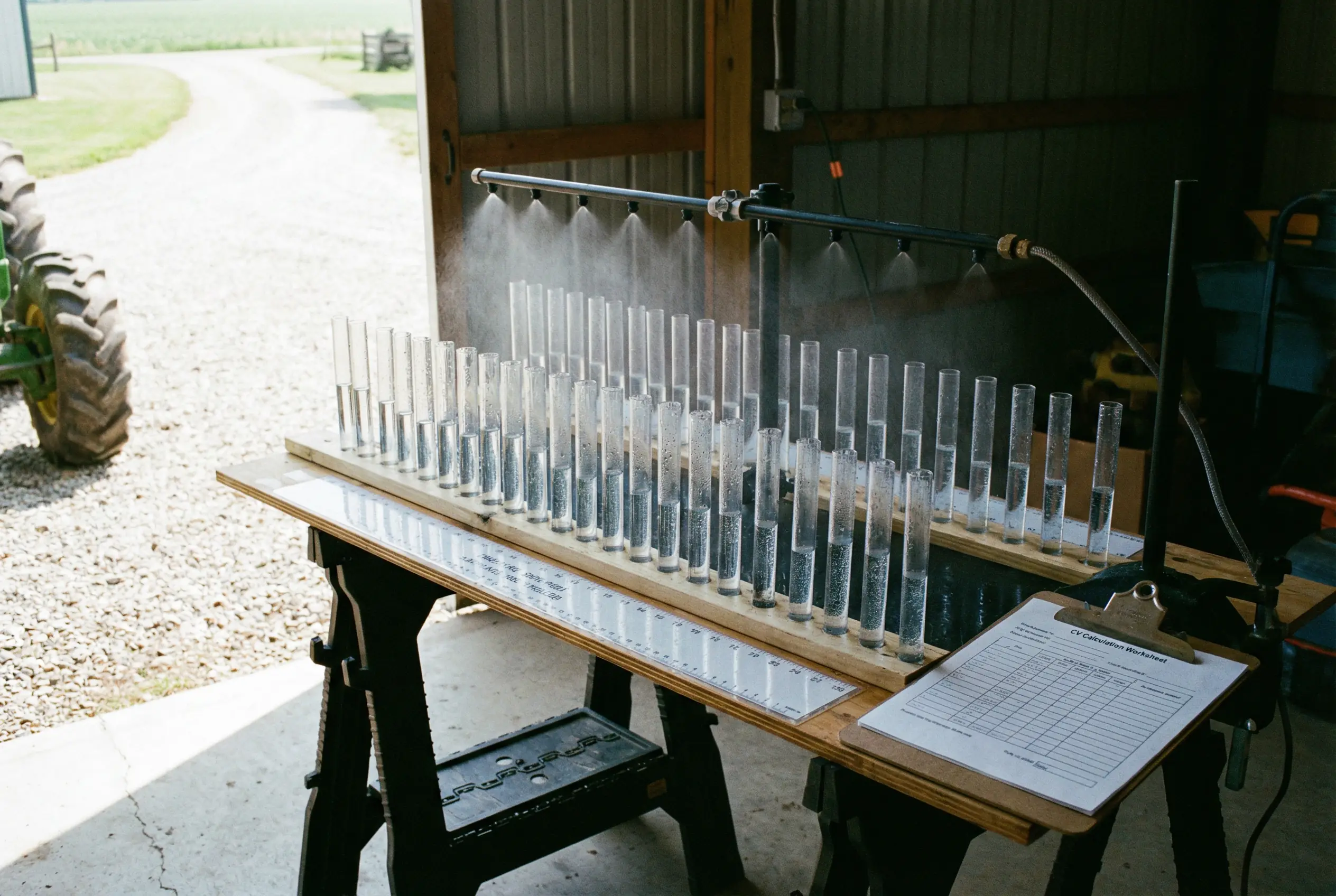
Spray pattern testing reveals distribution uniformity across the spray width, identifying worn nozzles that may not show significant flow rate changes. Use a pattern testing table with graduated collectors spaced at 2-inch intervals across the spray width. Operate nozzles at field pressure and height for 30 seconds, then measure collected volumes.
Calculate coefficient of variation (CV) to quantify pattern uniformity. Industry standards typically require CV values below 10% for acceptable performance. Higher values indicate the need for nozzle replacement or system adjustment.
Replacement Criteria and Scheduling
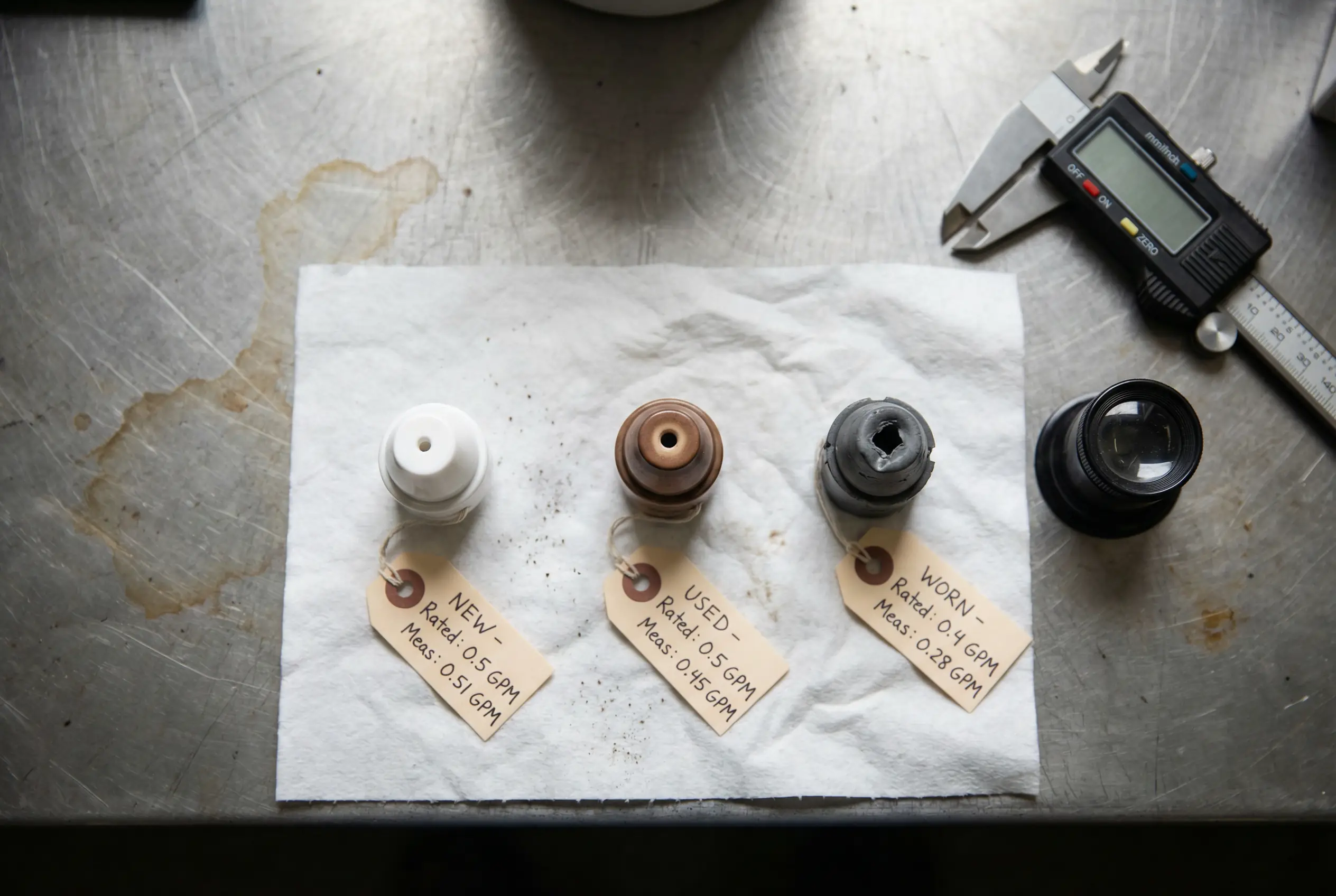
Establish clear replacement criteria based on measurable performance parameters rather than arbitrary time intervals. Replace nozzles when flow rates exceed ±10% of rated output, when spray patterns show significant irregularities, or when droplet size distribution falls outside acceptable ranges.
Implement a systematic replacement schedule that considers usage intensity, chemical exposure, and nozzle material. Maintain adequate spare inventory to prevent compliance delays, and always replace nozzles in complete sets to ensure uniform coverage.
Establishing Optimal Calibration Frequency
Risk-Based Calibration Scheduling
Modern sprayer safety compliance requires moving beyond one-size-fits-all calibration schedules to risk-based approaches that consider equipment usage, application requirements, and regulatory demands. High-use commercial sprayers applying sensitive chemicals may require weekly calibration, while seasonal equipment might need only pre-season and mid-season checks.
Factor in application complexity, target pest pressure, and crop sensitivity when determining frequency. Applications near sensitive areas, organic farms, or water bodies warrant more frequent calibration to ensure compliance with buffer zone requirements and drift regulations.
Seasonal Calibration Requirements
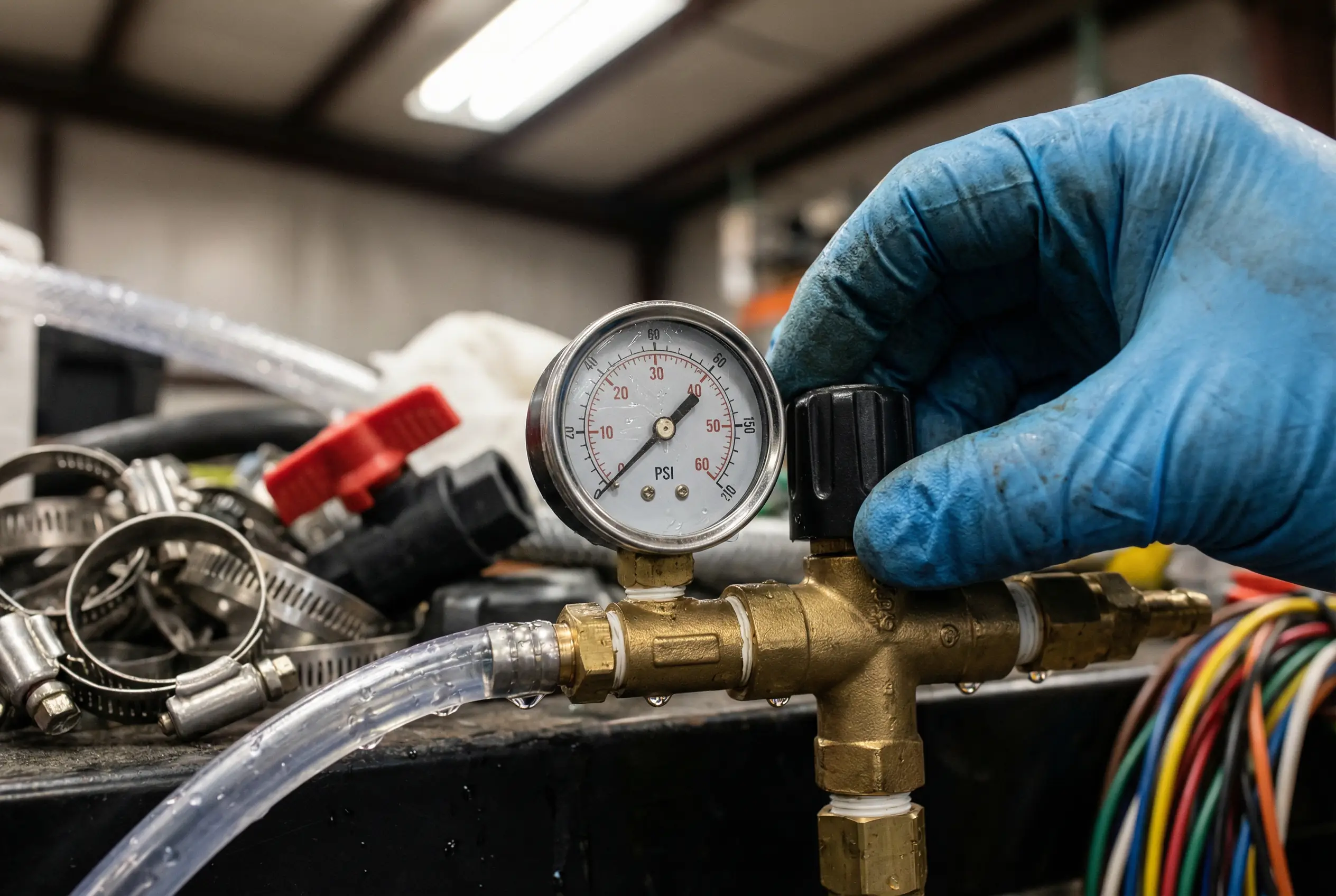
Spring preparation represents the most critical calibration period, as equipment often sits idle during winter months. Seals may dry out, tanks may develop deposits, and nozzles can become clogged or damaged. Comprehensive spring calibration should include full system pressure testing, nozzle replacement, and control system verification.
Mid-season calibration catches wear and damage that occurs during intensive use periods. This timing allows for corrections before peak application seasons when equipment downtime can severely impact operations. Fall calibration prepares equipment for storage and identifies maintenance needs for the off-season.
Keep your sprayer running smoothly year-round with premium parts from MCH Parts NYC.
Usage-Based Calibration Triggers
Implement hour meters or application acre counters to trigger calibration based on actual usage rather than calendar dates. Most manufacturers recommend recalibration every 100-200 operating hours or 1000-2000 treated acres, depending on application intensity and chemical types used.
Chemical compatibility issues can accelerate component wear and require more frequent calibration. Highly corrosive chemicals, abrasive formulations, and products with extreme pH levels all contribute to accelerated system degradation and increased calibration needs.
Technology-Enhanced Monitoring
Modern precision agriculture technology offers continuous monitoring capabilities that can identify calibration needs in real-time. Flow sensors, pressure monitors, and GPS-based application controllers can automatically detect performance deviations and alert operators to calibration needs.
These systems provide valuable data for compliance documentation while reducing the risk of off-target applications. Integration with farm management software creates comprehensive audit trails that satisfy regulatory requirements and support insurance claims.
Critical Parts Checklist and Maintenance Protocols
Essential Component Inspection Points
A comprehensive parts checklist forms the backbone of effective sprayer safety compliance. Begin with the tank system, inspecting for cracks, corrosion, and contamination that could affect chemical compatibility or structural integrity. Check all fittings, valves, and seals for leaks that could compromise application accuracy or create safety hazards.
Pump systems require particular attention to wear components including diaphragms, pistons, and check valves. These components directly impact pressure consistency and flow accuracy. Inspect drive components, belts, and couplings for proper alignment and wear patterns that could lead to sudden failures during critical application periods.
Boom and Nozzle System Maintenance
Boom systems must maintain proper alignment and stability to ensure uniform application coverage. Check boom sections for cracks, loose joints, and damaged breakaway systems that protect against collision damage. Verify that all boom leveling systems function properly and maintain accurate height control throughout the operating range.
Nozzle bodies, caps, and mounting hardware require regular inspection for wear, corrosion, and proper sealing. Damaged threads or worn O-rings can create leaks that affect application accuracy and create compliance issues. Maintain spare nozzle components to minimize downtime during critical application periods.
Control System Verification
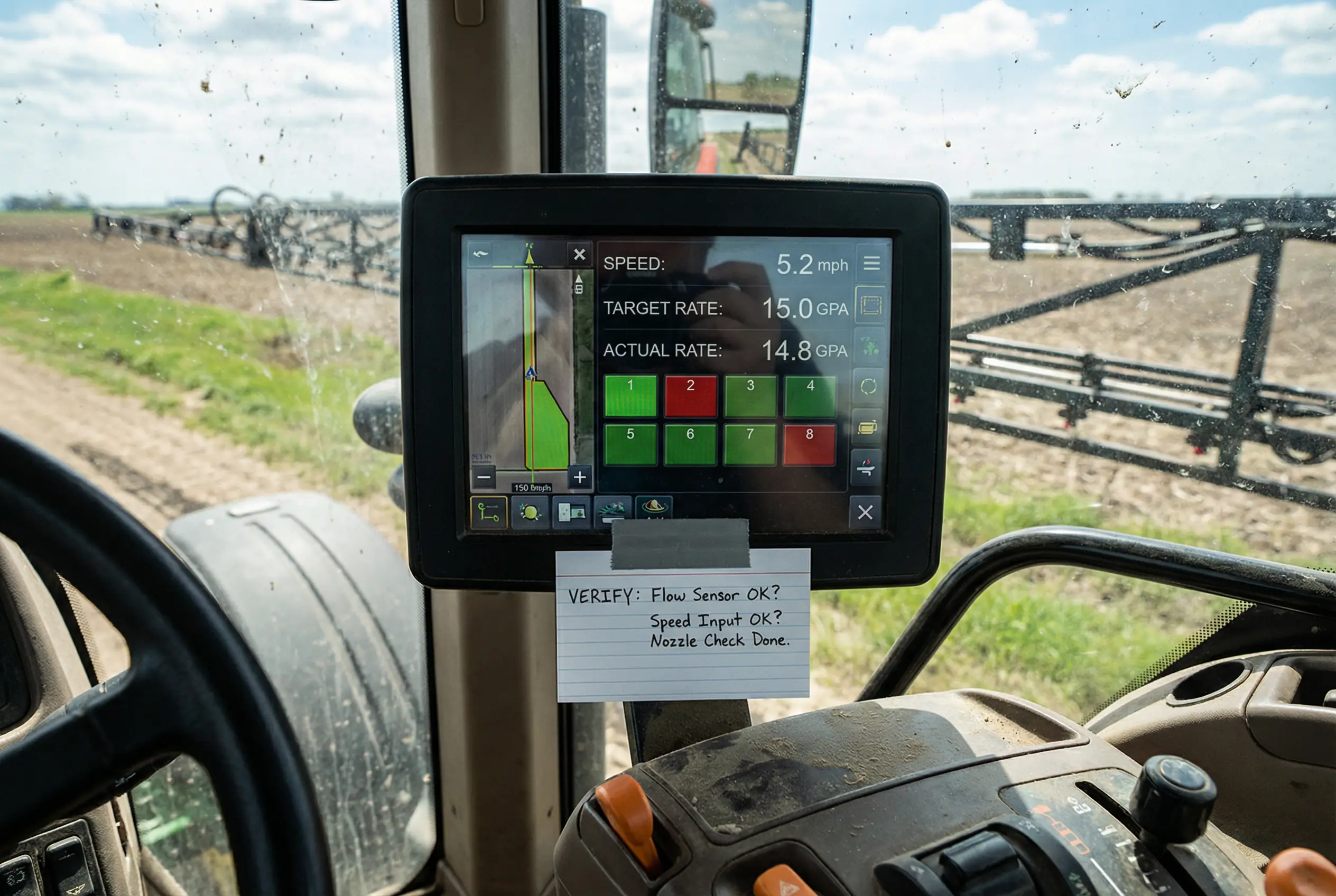
Modern sprayers rely heavily on electronic control systems for rate control, boom section management, and application monitoring. Regularly verify the accuracy of flow meters, pressure sensors, and speed inputs that feed these systems. Calibration drift in electronic components can gradually compromise application accuracy without obvious symptoms.
GPS guidance systems and auto-boom controls require periodic verification to ensure proper operation. These systems directly impact overlap patterns and buffer zone compliance, making their accuracy critical for regulatory compliance.
Source reliable replacement parts and maintenance supplies from MCH Parts NYC to keep your equipment in peak compliance condition.
Preventive Maintenance Scheduling
Develop maintenance schedules that align with compliance requirements and manufacturer recommendations. Create detailed checklists for daily, weekly, seasonal, and annual maintenance tasks. Document all maintenance activities with dates, parts replaced, and performance measurements to support compliance audits.
Preventive maintenance programs significantly reduce the risk of equipment failures during peak application periods while ensuring consistent compliance with safety and accuracy requirements. Well-maintained equipment also typically qualifies for extended warranty coverage and insurance premium discounts.
Implementing Effective Safety Audit Logs
Comprehensive Audit Trail Development
Professional safety audit logs serve as the cornerstone of sprayer safety compliance programs. These logs must capture every aspect of equipment operation, maintenance, and calibration in a format that satisfies regulatory requirements while providing practical operational value. Modern audit systems typically include calibration records, maintenance activities, operator certifications, and application reports.
Digital audit systems offer significant advantages over paper-based logs, including automatic timestamps, user authentication, and tamper-evident records. These systems can integrate with equipment monitoring systems to automatically capture operational data, reducing manual entry requirements while improving accuracy and completeness.
Regulatory Inspection Preparation
Regulatory inspections can occur with little or no advance notice, making comprehensive audit logs essential for demonstrating compliance. Inspectors typically focus on calibration records, maintenance documentation, operator qualifications, and application records for specific time periods or incidents.
Organize audit logs chronologically with clear indexing systems that allow rapid retrieval of specific information. Include supporting documentation such as calibration certificates, parts replacement records, and training certificates. Digital systems should include backup and recovery procedures to ensure data availability during inspections.
Performance Trend Analysis
Audit logs provide valuable data for identifying performance trends and potential compliance issues before they become problems. Track parameters such as calibration frequency, nozzle replacement intervals, and maintenance costs to optimize operational efficiency while maintaining compliance.
Statistical analysis of audit data can reveal patterns that indicate impending equipment failures or performance degradation. This predictive approach allows for proactive maintenance and calibration adjustments that prevent compliance violations and reduce operational disruptions.
Maintain detailed parts inventory records with quality components from MCH Parts NYC to support your audit trail requirements.
Integration with Farm Management Systems
Modern farm management software can integrate sprayer audit logs with other operational data to provide comprehensive compliance reporting. These systems can automatically generate regulatory reports, track certification expiration dates, and provide alerts for upcoming maintenance requirements.
Integration also supports precision agriculture initiatives by linking sprayer performance data with application maps, weather conditions, and crop response data. This comprehensive approach provides valuable insights for optimizing application strategies while maintaining strict compliance standards.
Conclusion: Building a Culture of Compliance Excellence
Achieving and maintaining sprayer safety compliance requires more than simply following regulations - it demands a comprehensive approach that integrates technology, training, and systematic procedures into every aspect of your operation. The strategies outlined in this guide provide the framework for building a compliance program that not only meets current regulatory requirements but positions your operation for future success as standards continue to evolve.
Remember that compliance is an ongoing journey, not a destination. Regular equipment maintenance, systematic calibration procedures, and comprehensive record-keeping form the foundation of sustainable compliance programs. By investing in quality equipment, proper training, and systematic procedures, you protect your operation from costly violations while optimizing application efficiency and environmental stewardship.
The agricultural industry continues to face increasing scrutiny regarding pesticide use and environmental protection. Operations that proactively embrace comprehensive compliance programs will find themselves better positioned to navigate these challenges while maintaining profitability and operational flexibility. Start implementing these strategies today to build the compliance foundation your operation needs for long-term success.
Ready to upgrade your sprayer compliance program? Visit MCH Parts NYC for professional-grade replacement parts, calibration equipment, and maintenance supplies that meet the highest industry standards.
Frequently Asked Questions
Q1: How often should I calibrate my pesticide sprayer for regulatory compliance?
A: Calibration frequency depends on usage intensity and regulatory requirements, but most operations should calibrate at minimum before each season and every 100-200 operating hours. High-use commercial operations may need weekly calibration during peak seasons. Always check local regulations, as some states require more frequent calibration for specific applications or sensitive areas.
Q2: What documentation do I need to maintain for sprayer safety compliance?
A: Essential documentation includes calibration records, maintenance logs, parts replacement records, operator training certificates, and application reports. Most jurisdictions require maintaining these records for 3-5 years. Digital record-keeping systems are recommended for their accuracy, security, and ease of access during regulatory inspections.
Q3: When should I replace sprayer nozzles to maintain compliance?
A: Replace nozzles when flow rates deviate more than ±10% from manufacturer specifications, spray patterns show irregularities, or droplet size distribution changes significantly. Don't rely solely on visual inspection - use flow rate testing and pattern analysis to determine replacement needs. Always replace nozzles in complete sets to ensure uniform coverage.
Q4: What are the most common sprayer compliance violations I should avoid?
A: The most frequent violations include inaccurate application rates (exceeding ±10% variance), inadequate calibration records, worn or damaged nozzles, improper drift management, and insufficient operator training documentation. Regular equipment maintenance and systematic calibration procedures prevent most compliance issues.
Q5: How do insurance requirements relate to sprayer safety compliance?
A: Many agricultural insurance policies require proof of proper equipment maintenance and compliance with safety regulations. Failure to maintain adequate documentation can void coverage for environmental damage or crop injury claims. Some insurers offer premium discounts for operations that exceed minimum compliance requirements and maintain certified equipment records.
Read More

Engine Air Filter vs. Cabin Filter 2026: EPA Guide

Radiator and Cooling System Parts: NYC Summer 2026

Bucket Teeth Selection 2026: Right Teeth for NYC Soil

Construction Equipment Filters 2026: Complete Replacement Schedule Updated

Track Replacement Guide 2026: How Long Do Undercarriage Parts Really Last?

Final Drive Troubleshooting 2026: 7 Warning Signs Before Complete Failure

Excavator Hydraulic Pump Replacement 2026: OEM vs Aftermarket Complete Guide

Weekend Equipment Breakdown: NYC After-Hours Parts Sourcing Guide 2026

Equipment Down in 2026? Get These 15 Critical Parts in NYC Within 2 Hours

NYC Port Modernization 2026: Heavy Equipment Parts for Hudson River Terminal Upgrades

Queens Is Being Built Right Now - Is Your Equipment Ready?

NYC High-Rise Construction Boom 2026: Parts for Record Number of Tower Projects

Brooklyn Navy Yard Construction: Specialized Parts for Historic Site Work

NYC DOB Construction Equipment Requirements 2026: Updated Parts & Modifications

Equipment Down in 2026? Get These 15 Critical Parts in NYC Within 2 Hours

NYC Winter 2026 Construction: Critical Parts That Fail Below 20°F : Prevention Guide

Prevent Crane Downtime with a Proactive Parts Roadmap

How to Prevent Downtime in Multi-Brand Earthmoving Fleets

How to Source OEM Undercarriage Parts Without Project Delays

Motor Grader Predictive Diagnostics: Prevent Hydraulic Failures & Reduce Downtime
Pesticide Sprayer Calibration: Essential Safety Compliance Guide & Protection

Seeder Bearing Parts Sourcing Guide: Critical Components & Strategy

Downtime Prevention Through Smart Inventory for Grain Dryers

Combine Harvester Breakdown Prevention Guide: Predictive Analytics for Zero Downtime

Master Global Agricultural Parts Delivery | Mid-Season MRO Guide

Fixing Haul Truck Downtime Issues: Remote Parts Strategy Guide 2025

Blasting Equipment Safety Compliance: Must-Know Audit Requirements for 2025

The Step-by-Step Guide to Global Drill Rig Consumables Sourcing

Mining Conveyor Maintenance Guide: Detecting Hidden Risks in Underground Systems

Best Practices for Certified Pipeline Valve Selection: From Specs to Installation

Optimizing Oil Rig PPE Delivery: Proven Strategies That Saved $2M Annually

FPSO Smart Parts Planning: Proven Methods to Cut Downtime

How FPSO Inspection Prevents Million-Dollar Shutdown Losses

Fix It Before It Breaks: A Farmer's Guide to Combine and Harvester Maintenance

Why Fast Tractor Parts Delivery is Changing Modern Farming [2025 Guide]

The Critical Farm Equipment Replacement Parts You Need Before Harvest 2025
.webp)
How to Double Your Farm Efficiency: Expert Guide to Smart Scaling

Cut Costs by 30%: Pre-Season Spare Parts Audit Checklist

Proven Success Factors for Agricultural Equipment Manufacturers in 2025

13 Overlooked Farm Spare Parts That Halt Operations — Pt. 2

13 Overlooked Farm Spare Parts That Halt Operations — Pt. 1

Top Hydraulic Components for Agricultural Equipment in 2025: Complete Guide

The Essential Farm Equipment Parts You Can't Afford to Run Out Of

How to Service Farm Equipment: A Farmer's Guide to Zero Harvest Downtime

Construction Machinery Parts Suppliers: Expert Selection Guide

How to Apply Machine Safety Rules: From Selection to Installation

Smart Diagnostics Cut Heavy Equipment Failures by 73%

5 Ways to Assess the Environmental Impact of Heavy Construction Machinery

10 Smart Ways to Pick Construction Machinery for 2025 Projects

Rent vs Purchase Equipment: What Heavy Industry Experts Hide

How to Implement a Construction Inventory Management System for Equipment Efficiency

How to Extend Equipment Life Expectancy with Regular Maintenance

Advanced Heavy Equipment Diagnostic Tools: Ensuring Construction Machinery Quality

Essential Features Your Construction Equipment Inventory System Needs

29 Quick Tips for Choosing Construction Equipment for Remote Locations

How to Select Construction Machinery with Optimal Equipment Maintenance in Mind

Top 25 Tips for Selecting Bulldozers for Construction Sites

Which Construction Loader is Best for Your Project Needs?

4 Key Steps to Form a Construction Machinery QC Team

15 Essential Tips for Selecting the Perfect Crane for Construction

Maximize Savings: Multi-Purpose Construction Machinery for Lower Costs

Affordable Heavy Equipment Parts: A Sourcing Guide

Choosing the Right Road Construction Equipment: A Complete Guide

Motor Graders: Key Elements to Consider for Optimal Selection

A Detailed Guide to Choosing Excavators for Construction Work

Top Tips for Choosing Cranes for Construction Projects

5 Top-Rated Demolition Machines for Construction Professionals

Expert Tips on Choosing Earthmoving Equipment for Large Projects
Top Functional Criteria for Selecting Heavy Construction Equipment

Construction Machinery: Detailed Guide to Equipment Specifications

Heavy Machinery Prices: Key Factors in Cost and Quality Balance

Best Construction Heavy Equipment Brands: Pros and Cons

Construction Site Equipment: How to Determine Your Requirements

Maximizing Safety: Risk Management for Construction Projects

Innovations in Construction: Transforming Machinery and Equipment

Heavy Equipment Safety: Beyond the Basics in Construction Compliance

The Essential Handbook for Construction Equipment Repair and Maintenance

How to Efficiently Source Oil and Gas Machinery Parts in NYC

Essential Guide to Sourcing Agriculture Equipment Parts

How to Source Mining Machinery Parts: Tips and Strategies