Queens Is Being Built Right Now - Is Your Equipment Ready?
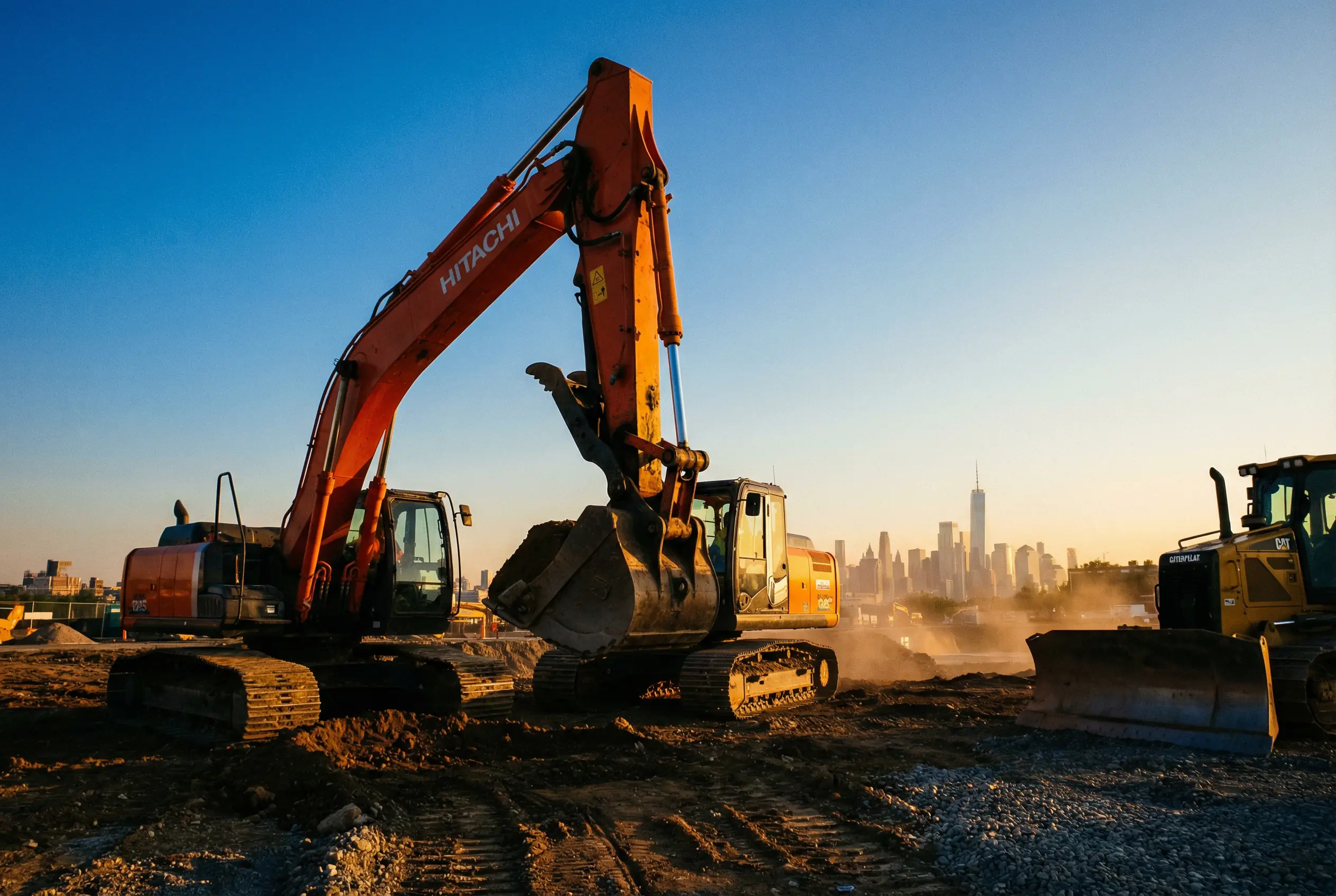
If you've driven through Queens lately, you know the signs: tower cranes on the horizon, freshly fenced construction lots, road crews tearing up pavement to lay new infrastructure. Queens is in the middle of a full-scale build-out - new industrial zones, warehouse districts, logistics hubs, and mixed-use developments are going up across Maspeth, Long Island City, Jamaica, and College Point. For contractors and equipment operators working these sites, the opportunity is enormous. But so is the pressure. Deadlines are tight, margins are thin, and one broken excavator or a blown hydraulic line can throw your entire schedule off. That's exactly why having the right parts supplier in your corner isn't a luxury - it's the difference between staying on schedule and losing the job.
Queens' Construction Expansion in 2026: What's Actually Happening on the Ground
Queens isn't just growing - it's being fundamentally rebuilt. City rezoning, federal infrastructure funding, and the nearshoring wave pushing industrial facilities back to American soil have combined to create a construction pipeline unlike anything the borough has seen in decades.
The Sites Driving Demand Right Now
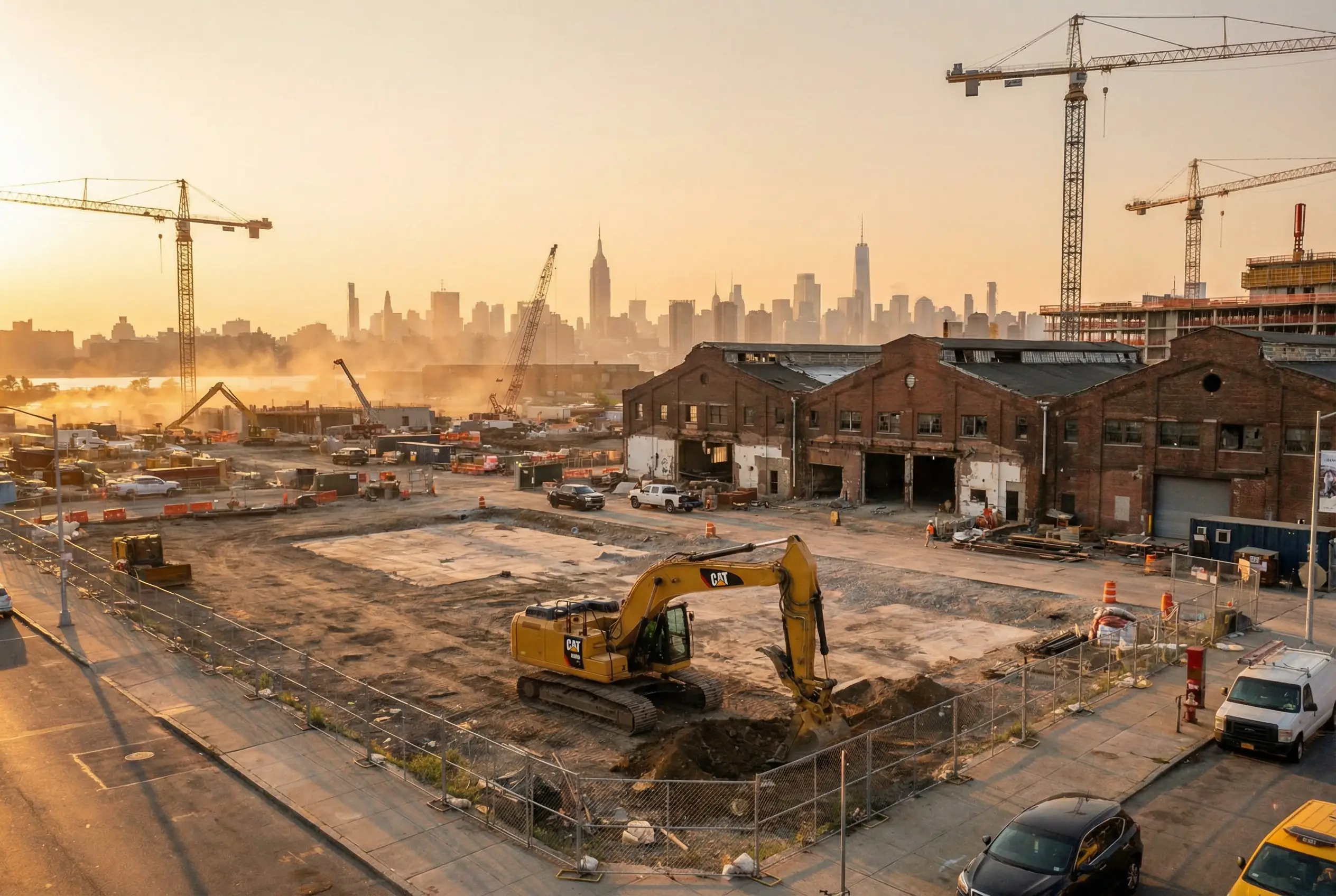
From the industrial corridors of Maspeth to the logistics parks rising near JFK, Queens construction sites in 2026 are running heavy equipment around the clock. Excavators are digging foundations. Bulldozers are grading land that sat dormant for years. Compactors and scrapers are prepping sites for new warehouse slabs and industrial floors. Every one of those machines is a potential point of failure - and every failure costs real money.
Why Contractors Can't Afford Downtime Here
NYC construction operates on some of the tightest timelines and highest labor costs in the country. When a machine goes down on a Queens job site, you're not just losing equipment hours - you're paying idle operators, potentially breaching contract milestones, and handing your client a reason to look elsewhere next time. The math on downtime in New York is brutal. Fast parts sourcing isn't a nice-to-have; it's a survival skill.
The Equipment Running Queens Job Sites - and the Parts That Keep It Moving
Queens' current construction wave is heavy-equipment intensive. The scale of site preparation, foundation work, and infrastructure installation means that excavators, bulldozers, graders, and scrapers are working hard every single day. And hard-working machines need parts.
Excavators and Hydraulic Systems
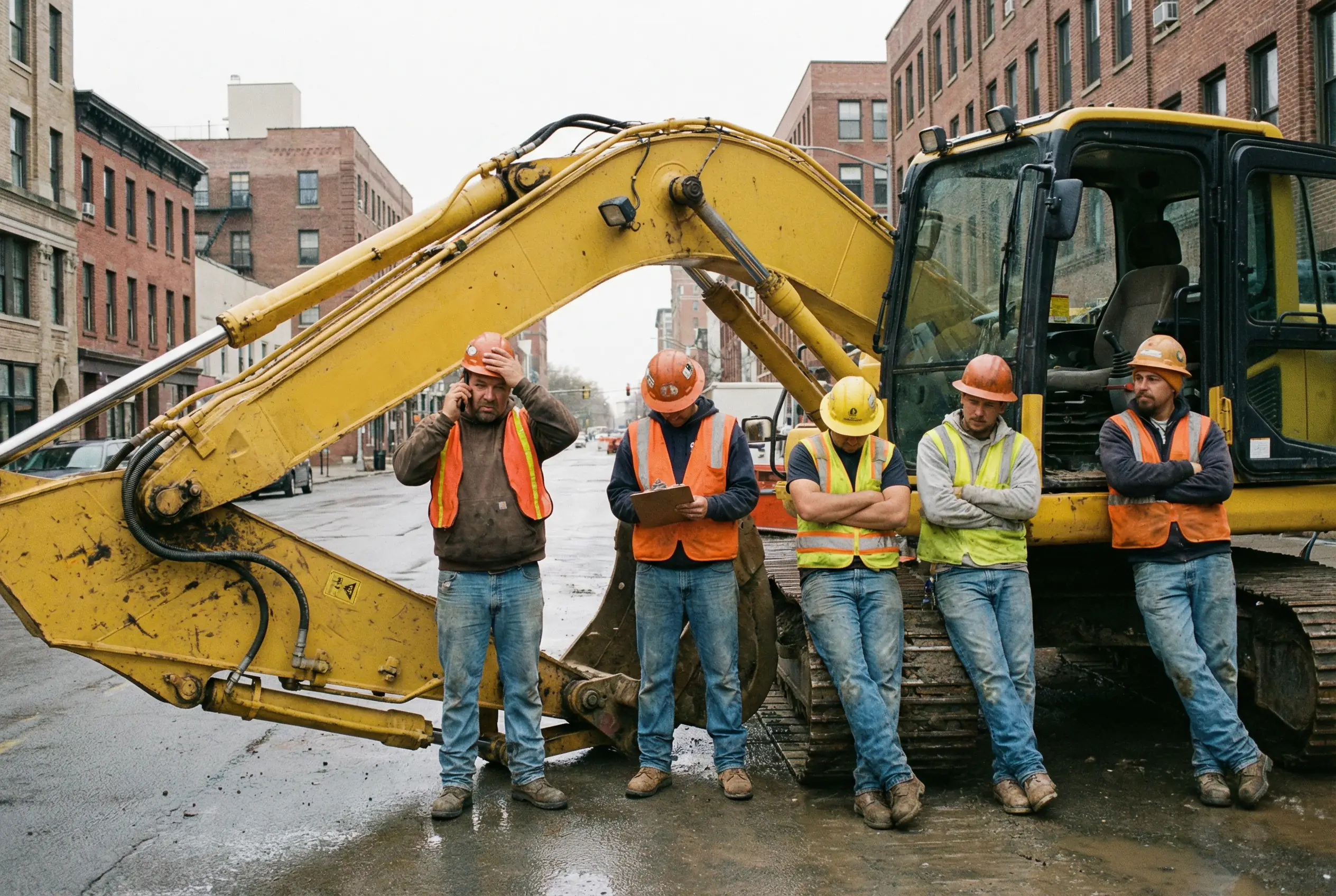
Excavators are the workhorses of Queens' new construction districts. They're also the machines most likely to develop hydraulic issues under heavy load and continuous use. Hydraulic hoses, cylinders, pumps, and seals are among the most frequently replaced components on active NYC job sites. A local supplier stocking hydraulic parts for major equipment brands means when something goes, you're not waiting a week for a shipment from the Midwest.
Bulldozers, Scrapers, and Ground-Moving Equipment
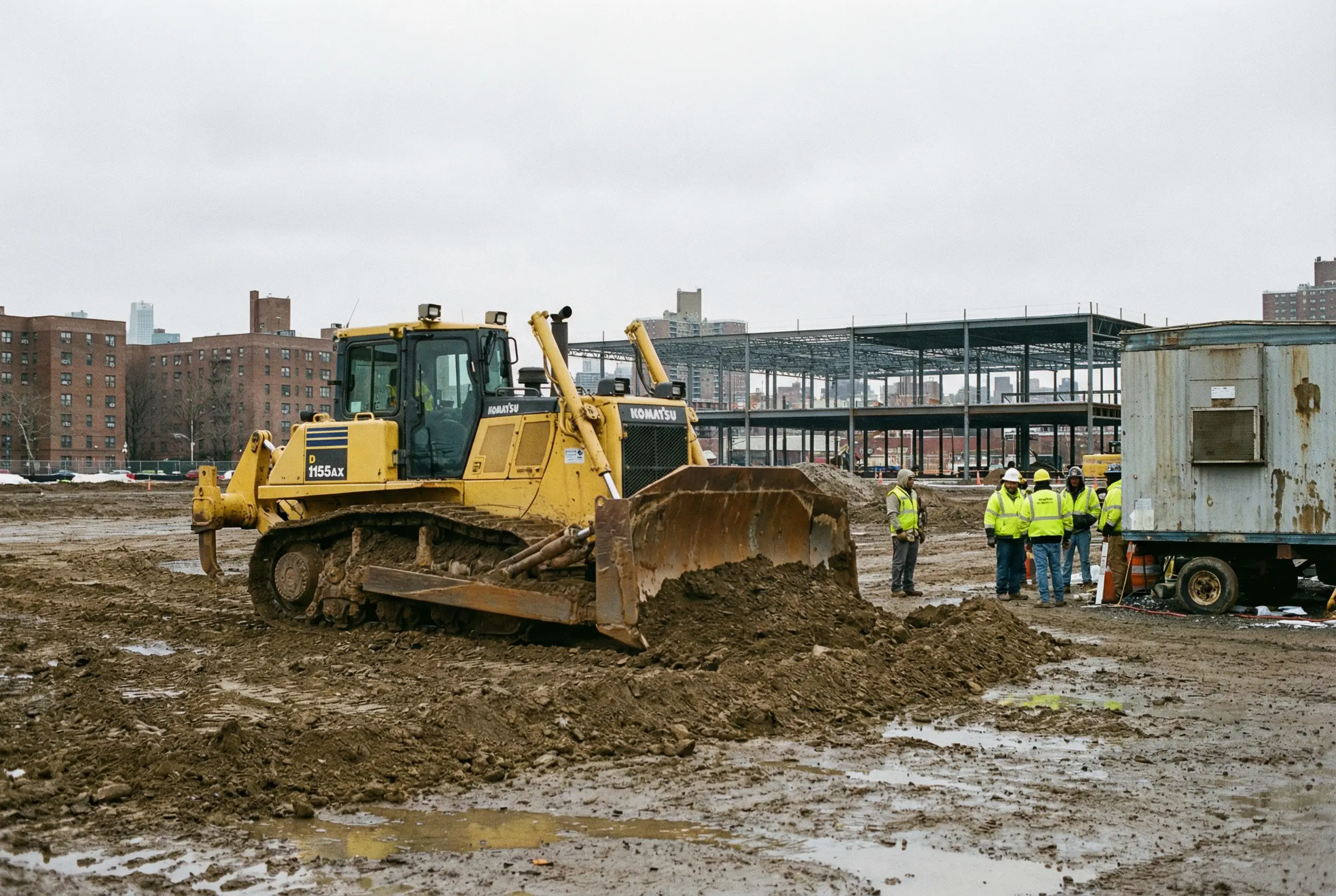
Site prep for Queens' new industrial zones requires massive amounts of earth moving. Bulldozers and scrapers work in demanding conditions - compacted urban soil, debris-filled lots, and tight site constraints. Undercarriage components, track assemblies, cutting edges, and blade hardware wear faster in these environments than on open rural sites. Knowing you can source a replacement track link or a worn cutting edge same-day changes how you manage your equipment fleet.
Compactors, Graders, and Finishing Equipment
Once the heavy excavation is done, compactors and graders take over - prepping sub-bases for concrete and asphalt work. These machines take a beating during the final push before a pour date, when schedules are tightest and replacement parts are needed fastest. Having a local supplier who can pull what you need from stock in hours, not days, is what keeps your pour date intact.

What Makes MCH Parts NYC Different for Queens Contractors
There's no shortage of parts suppliers in the New York metro area. What separates a real partner from just another vendor is how they perform when you actually need them - at 7am on a Monday, with a machine down and a crew standing around waiting.
2-Hour Fulfillment - Built for NYC Job Sites
MCH Parts NYC offers a 2-hour fulfillment window that's specifically designed for the pace of New York construction. When your excavator throws a hydraulic fault at the start of a shift, you can't wait until tomorrow. The ability to get a quote within 5 minutes and have parts in hand within 2 hours is the kind of operational support that Queens contractors are actively looking for in 2026.
Worldwide Procurement Network, Local Delivery Speed
One of the unique advantages MCH Parts NYC brings to the table is a worldwide sourcing network paired with local delivery speed. If a part isn't in stock locally, they have the procurement infrastructure to find it globally and get it to your site fast. For operators running specialized or older equipment where parts aren't readily available off the shelf, this network access is genuinely valuable.
No Surprise Pricing
Cost transparency matters on tight-margin construction projects. MCH Parts NYC operates on a clear costs, no surprises model - so you know what you're paying before you commit, and you can factor it into your job budget without guesswork. In an industry where unexpected costs can flip a profitable job into a loss, that kind of straightforward pricing builds real trust.

Building a Parts Strategy That Keeps Your Fleet Running All Season
The contractors winning the most work in Queens right now aren't just the ones with the best equipment - they're the ones whose equipment is actually running when competitors' machines are sitting idle. A proactive parts strategy is what separates those two groups.
Know Your Fleet's Failure Points Before They Fail
Every piece of heavy equipment has predictable wear patterns. Excavator hydraulic seals degrade on a cycle. Undercarriage components on bulldozers wear at known rates based on operating hours. Grader blade edges have a measurable lifespan. The contractors who track these patterns and order replacement parts before failure have a massive advantage over those who scramble after a breakdown.
Build the Relationship Before the Emergency
The worst time to introduce yourself to a parts supplier is when you have a machine down and a crew standing idle. The best time is right now, before the next job starts. Setting up an account with a trusted local supplier, sharing your equipment list, and establishing a working relationship means that when an emergency does happen, you're already a known customer - not an unknown caller hoping someone picks up. MCH Parts NYC is exactly that kind of partner.
Keep Critical Spares on Site for High-Utilization Periods
During peak construction periods on Queens sites - especially summer months when multiple trades are on site simultaneously - keeping a small cache of your most common wear parts on hand is smart risk management. Hydraulic hose fittings, filters, belts, and other high-turnover items take up minimal space and can save an entire day's work when something goes unexpectedly.
Conclusion: Queens Is Building - Don't Let Parts Be the Reason You Fall Behind
Queens' construction boom in 2026 represents real opportunity for the contractors, operators, and equipment owners who are ready to seize it. But opportunity has a short window. Job sites don't wait, clients don't extend deadlines, and broken equipment doesn't fix itself. The contractors who will thrive in Queens' expanding industrial and construction districts are the ones with reliable equipment, proactive maintenance habits, and a parts supplier they can count on when it matters most.
MCH Parts NYC is built for exactly this environment - fast fulfillment, transparent pricing, worldwide sourcing, and a genuine understanding of what NYC job sites demand. Whether you're running excavators in Maspeth, scrapers in College Point, or bulldozers along the Jamaica corridor, MCH Parts NYC is the parts partner your Queens operation needs. Get your quote in 5 minutes. Keep building.
Get a Free Quote at mchpartsnyc.com
Frequently Asked Questions
Q1: How fast can MCH Parts NYC deliver equipment parts to a Queens job site? MCH Parts NYC offers a 2-hour fulfillment window for parts orders, with quotes provided within 5 minutes of your inquiry. For active job sites in Queens where downtime is costly, this speed is a genuine operational advantage. Visit mchpartsnyc.com to get started.
Q2: What types of construction equipment does MCH Parts NYC source parts for? MCH Parts NYC sources parts for a wide range of heavy construction equipment including excavators, bulldozers, scrapers, graders, compactors, trenchers, and drilling rigs. They serve contractors across construction, agriculture, mining, and oil & gas sectors throughout the NYC area.
Q3: What if the part I need isn't locally available in stock? MCH Parts NYC has a worldwide procurement network that allows them to source hard-to-find or specialized parts globally. Even if a component isn't immediately available locally, their team will source it and get it to you as quickly as possible - making them a reliable partner for operators running older or specialized equipment.
Q4: How should a Queens contractor begin working with MCH Parts NYC? The easiest starting point is to request a free quote directly on their website at mchpartsnyc.com. From there, you can share your equipment list and establish a working relationship before you're in an emergency situation. Setting up the account proactively - not reactively - is the approach that experienced NYC contractors consistently recommend.
Read More

Engine Air Filter vs. Cabin Filter 2026: EPA Guide

Radiator and Cooling System Parts: NYC Summer 2026
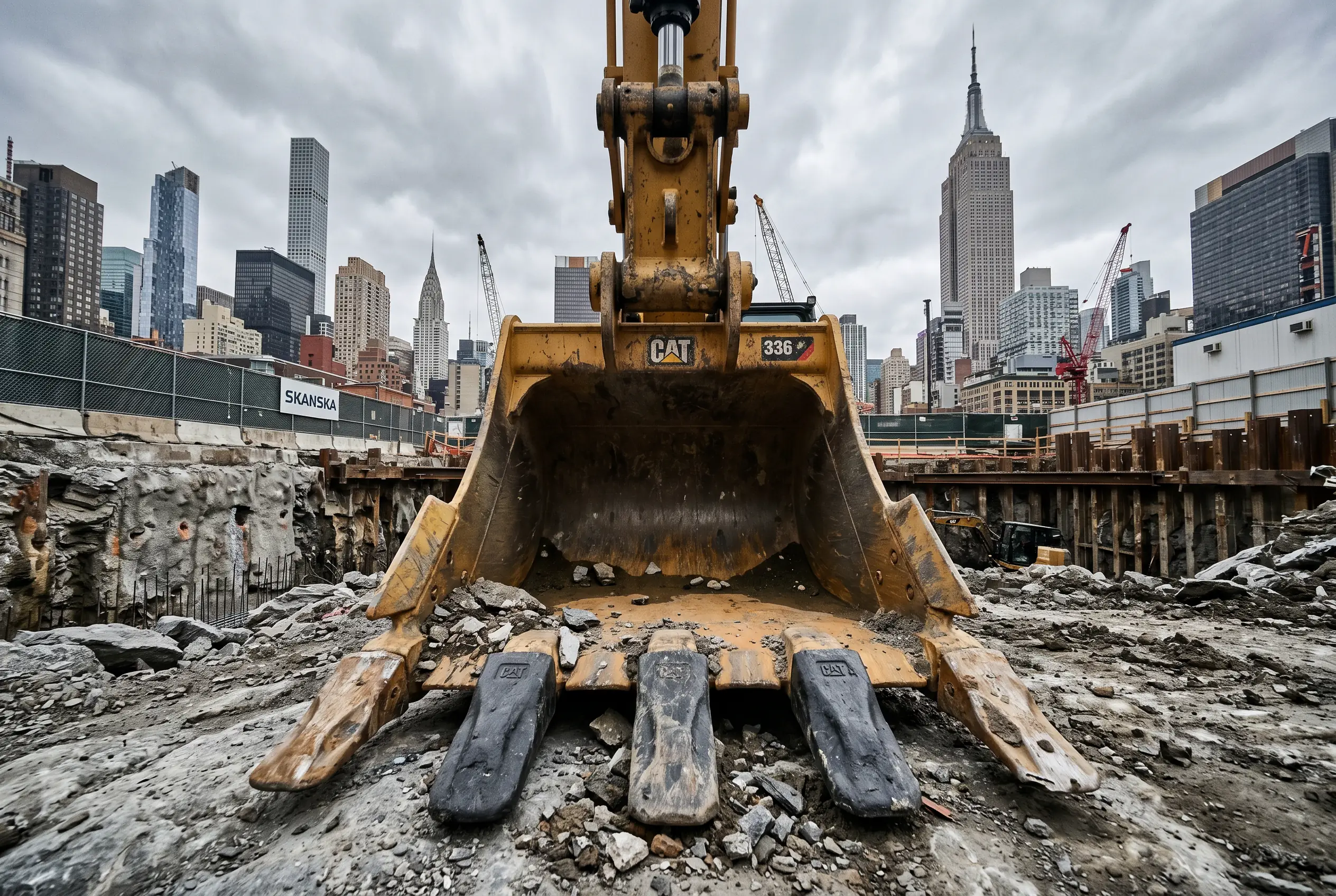
Bucket Teeth Selection 2026: Right Teeth for NYC Soil

Construction Equipment Filters 2026: Complete Replacement Schedule Updated
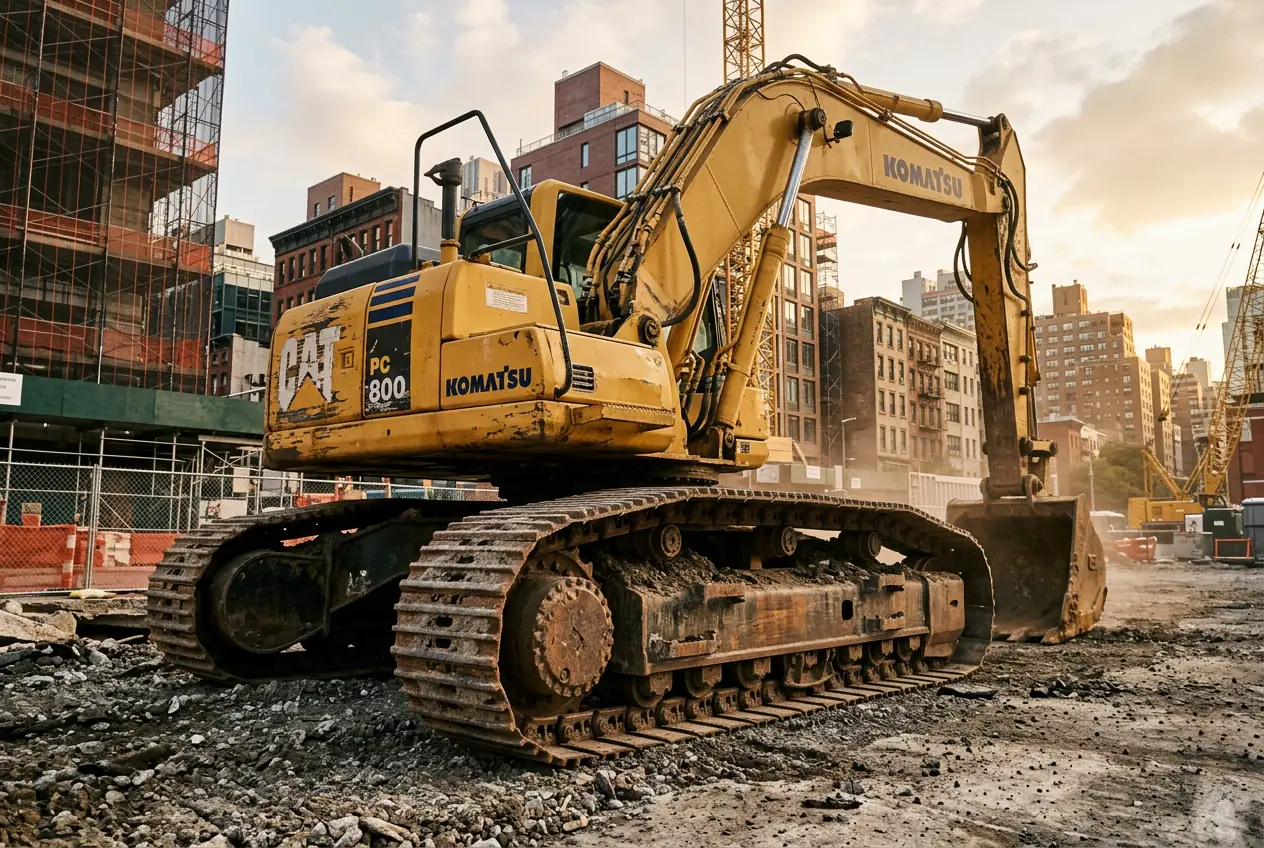
Track Replacement Guide 2026: How Long Do Undercarriage Parts Really Last?
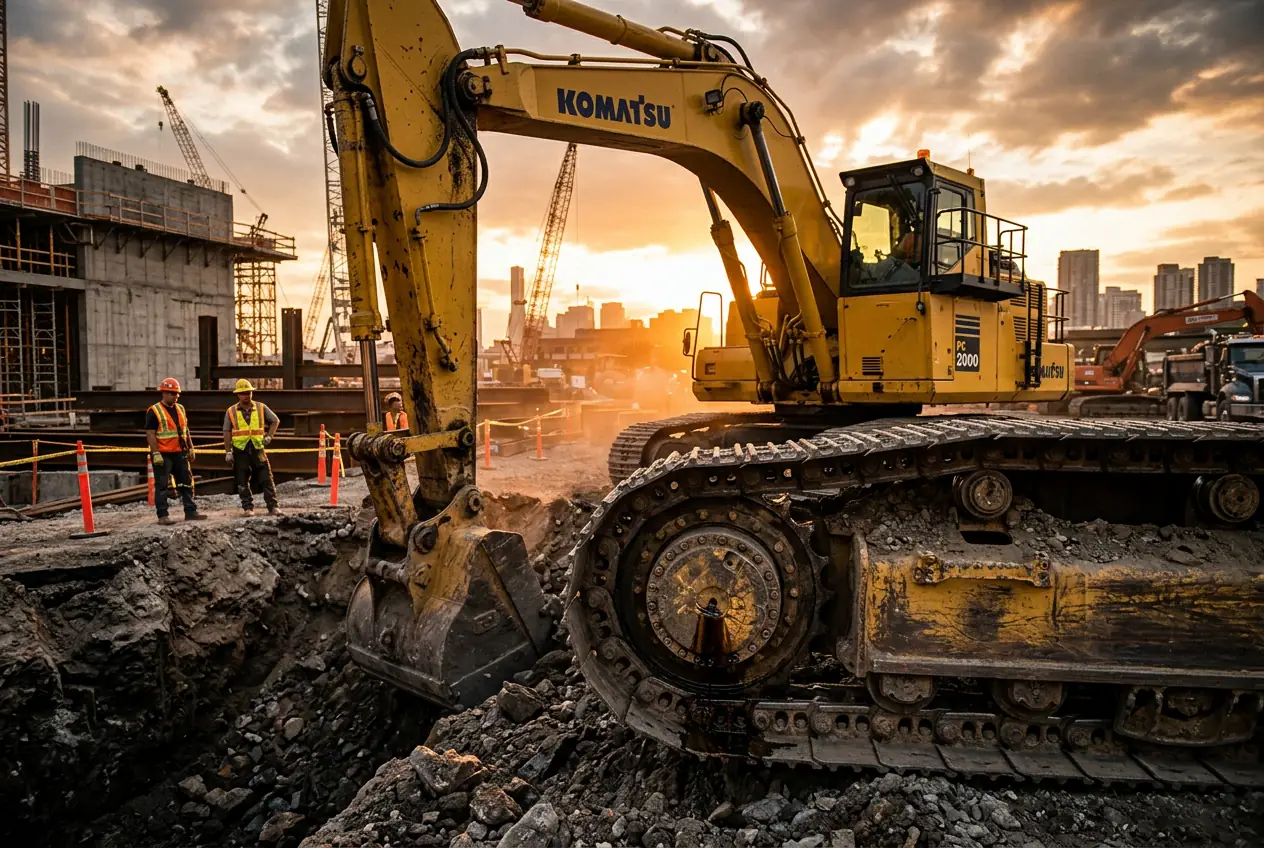
Final Drive Troubleshooting 2026: 7 Warning Signs Before Complete Failure
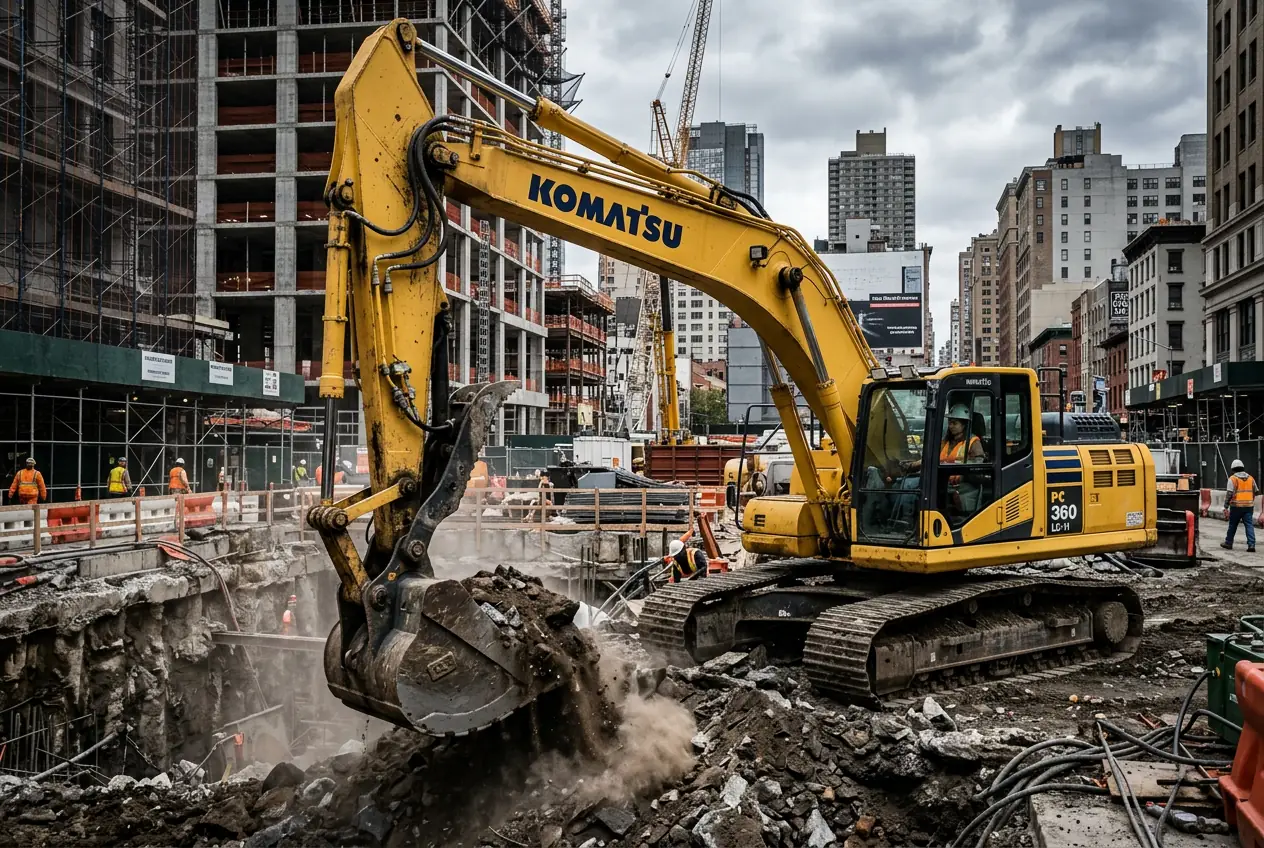
Excavator Hydraulic Pump Replacement 2026: OEM vs Aftermarket Complete Guide

Weekend Equipment Breakdown: NYC After-Hours Parts Sourcing Guide 2026

Equipment Down in 2026? Get These 15 Critical Parts in NYC Within 2 Hours

NYC Port Modernization 2026: Heavy Equipment Parts for Hudson River Terminal Upgrades
Queens Is Being Built Right Now - Is Your Equipment Ready?

NYC High-Rise Construction Boom 2026: Parts for Record Number of Tower Projects

Brooklyn Navy Yard Construction: Specialized Parts for Historic Site Work
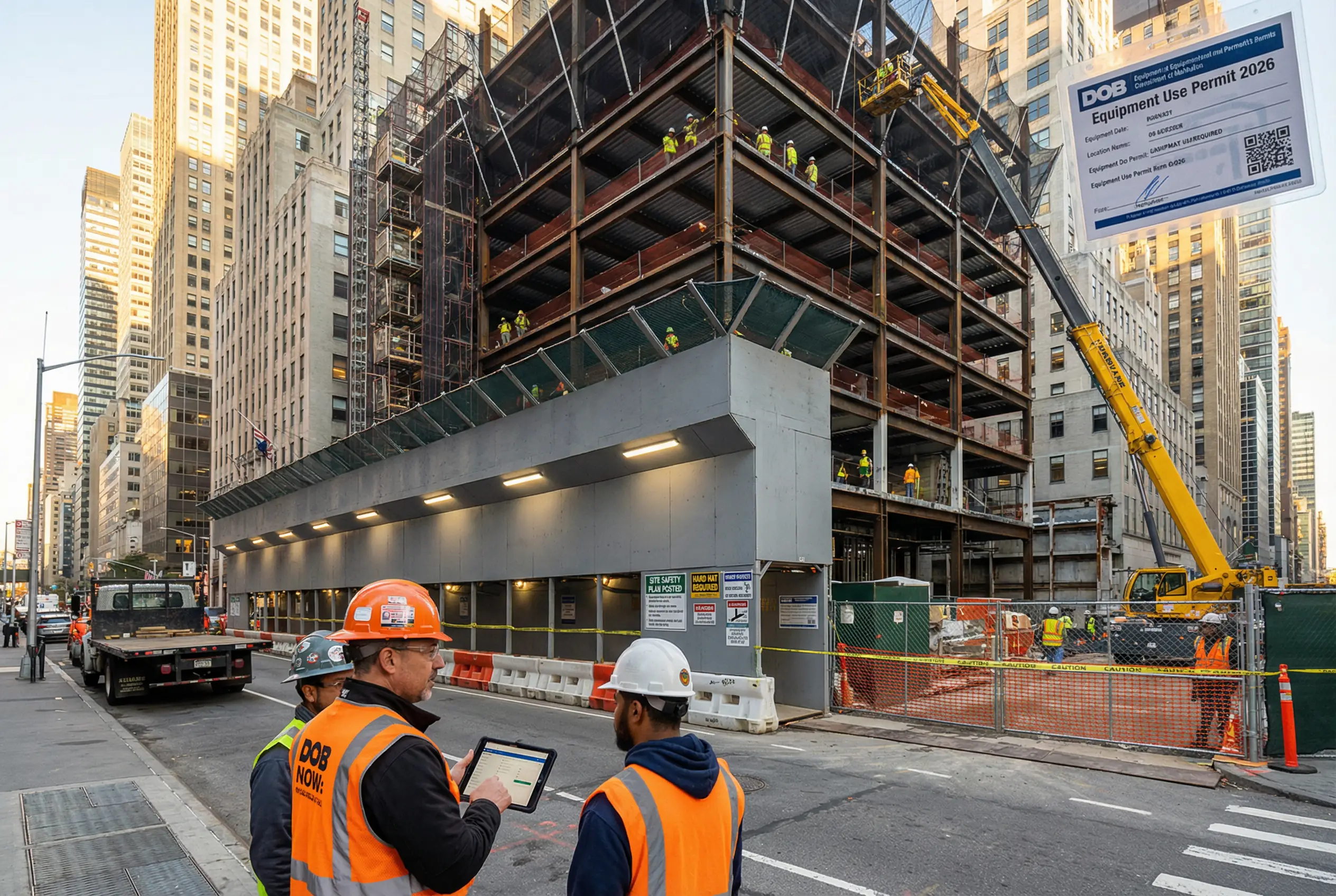
NYC DOB Construction Equipment Requirements 2026: Updated Parts & Modifications
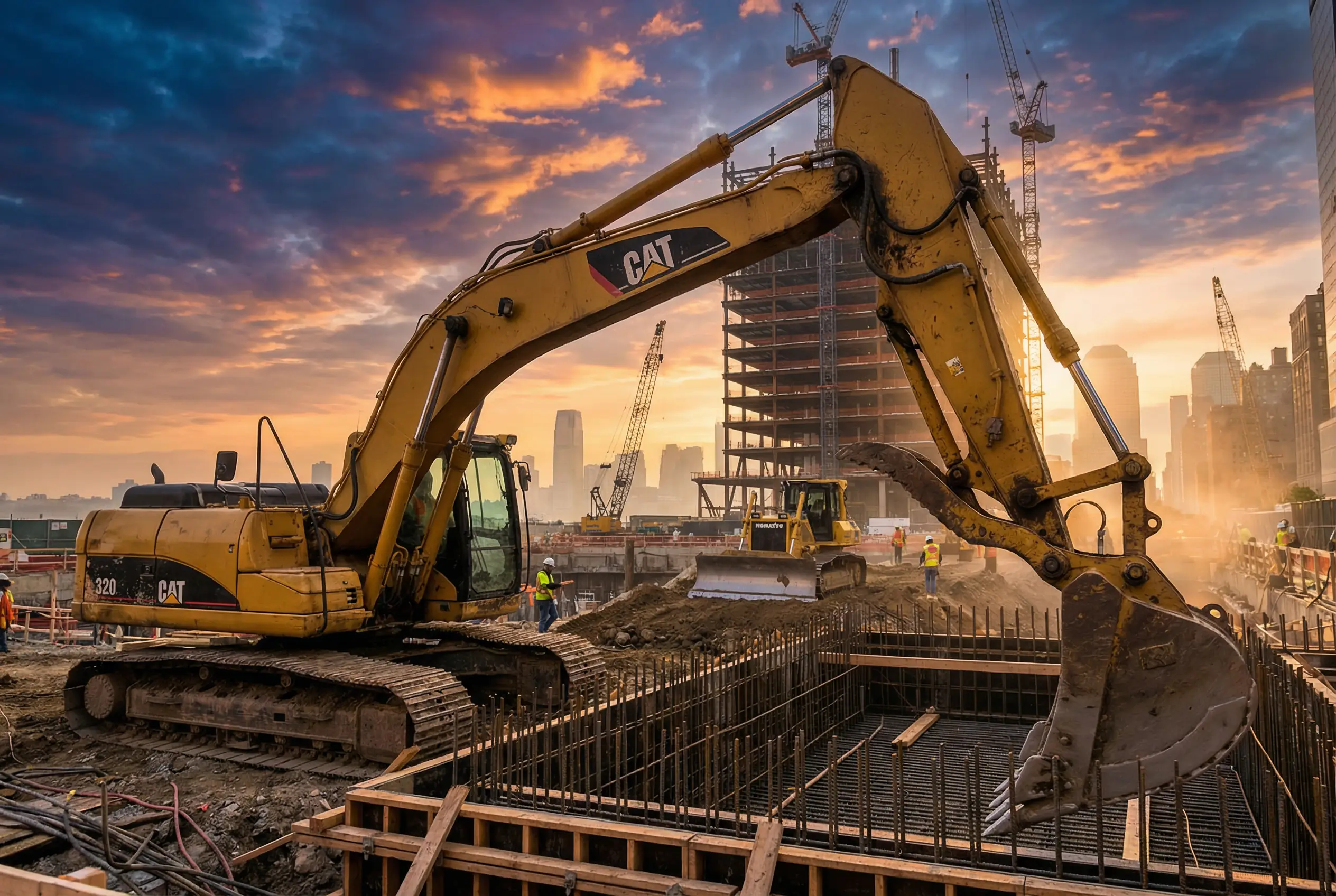
Equipment Down in 2026? Get These 15 Critical Parts in NYC Within 2 Hours
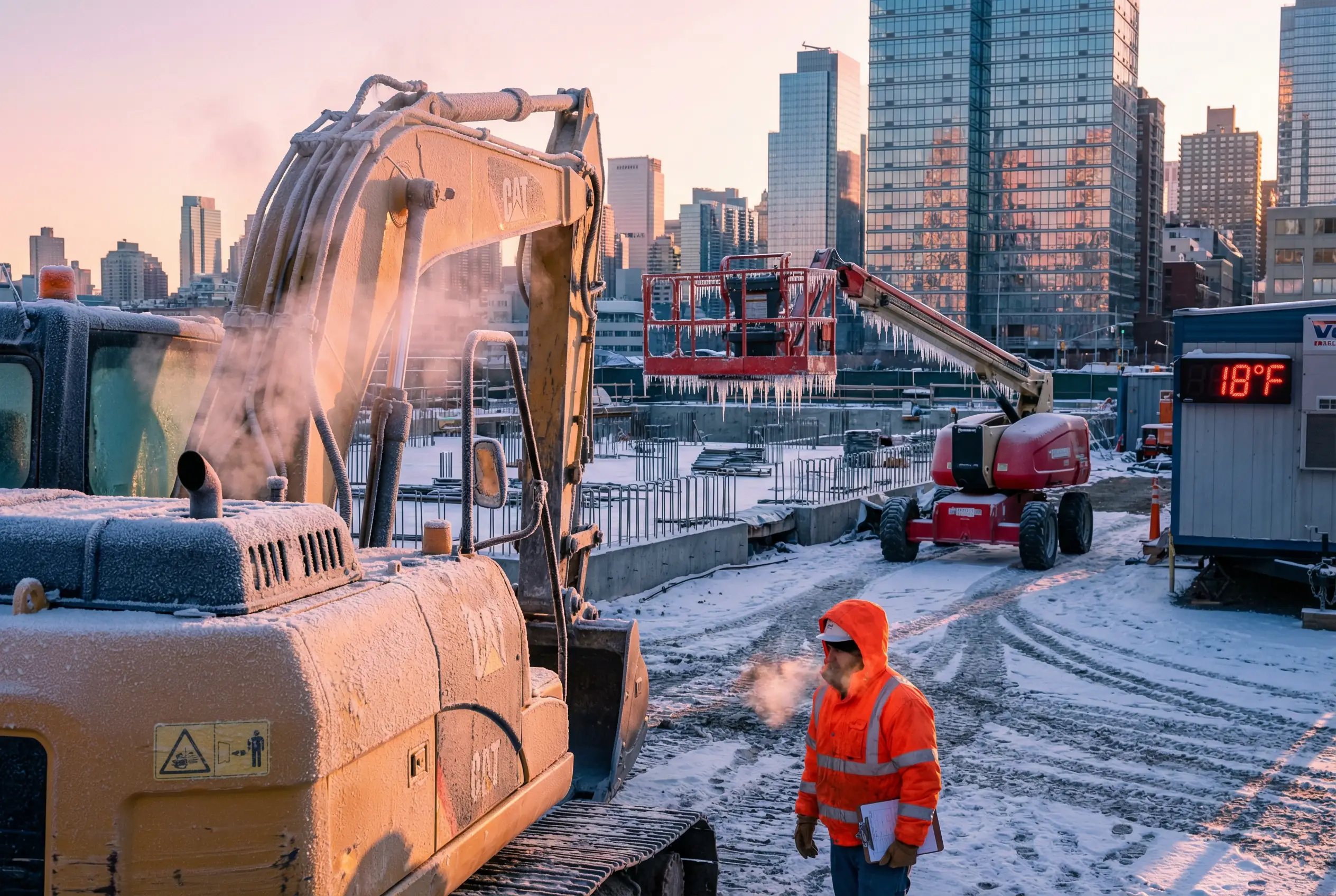
NYC Winter 2026 Construction: Critical Parts That Fail Below 20°F : Prevention Guide
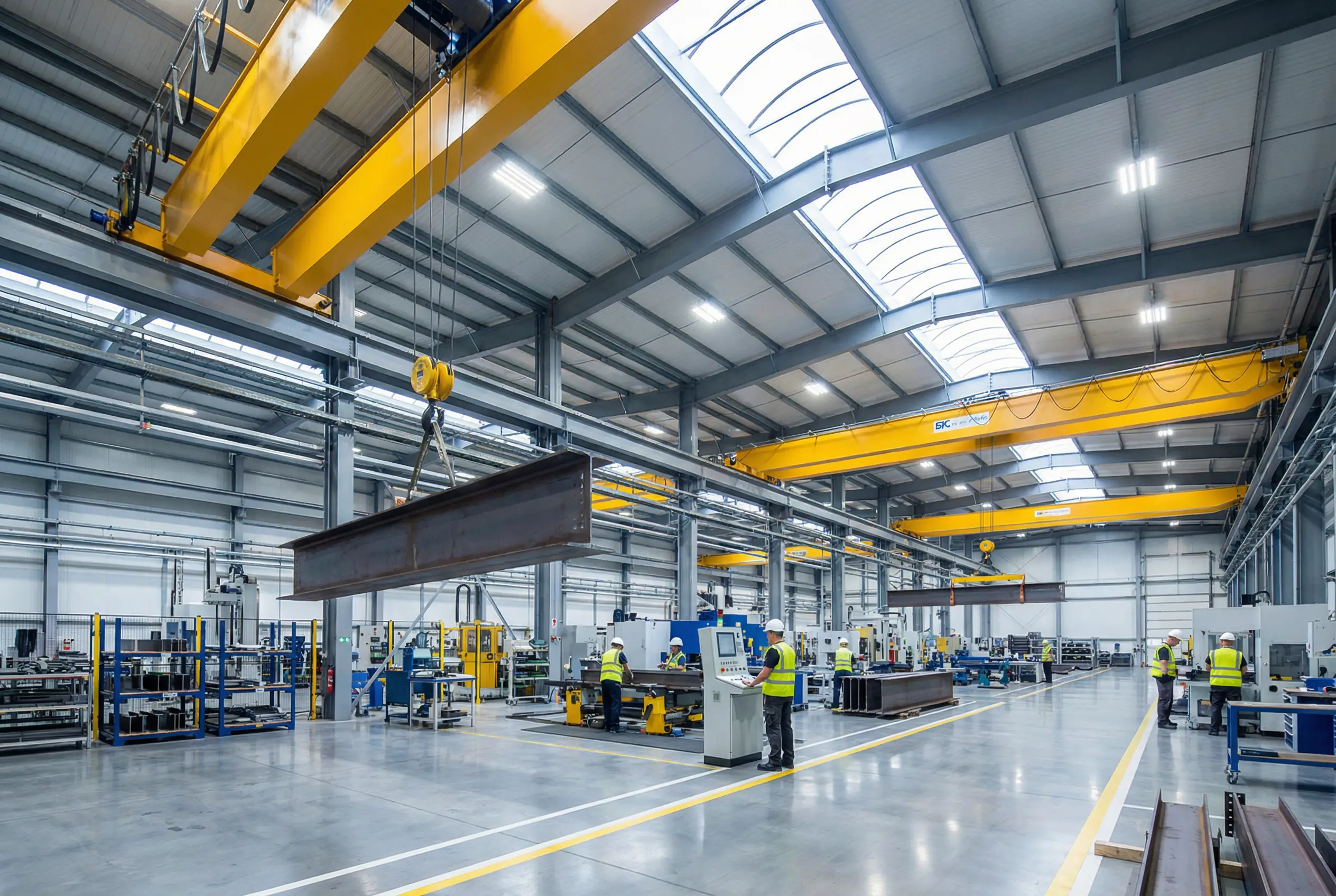
Prevent Crane Downtime with a Proactive Parts Roadmap
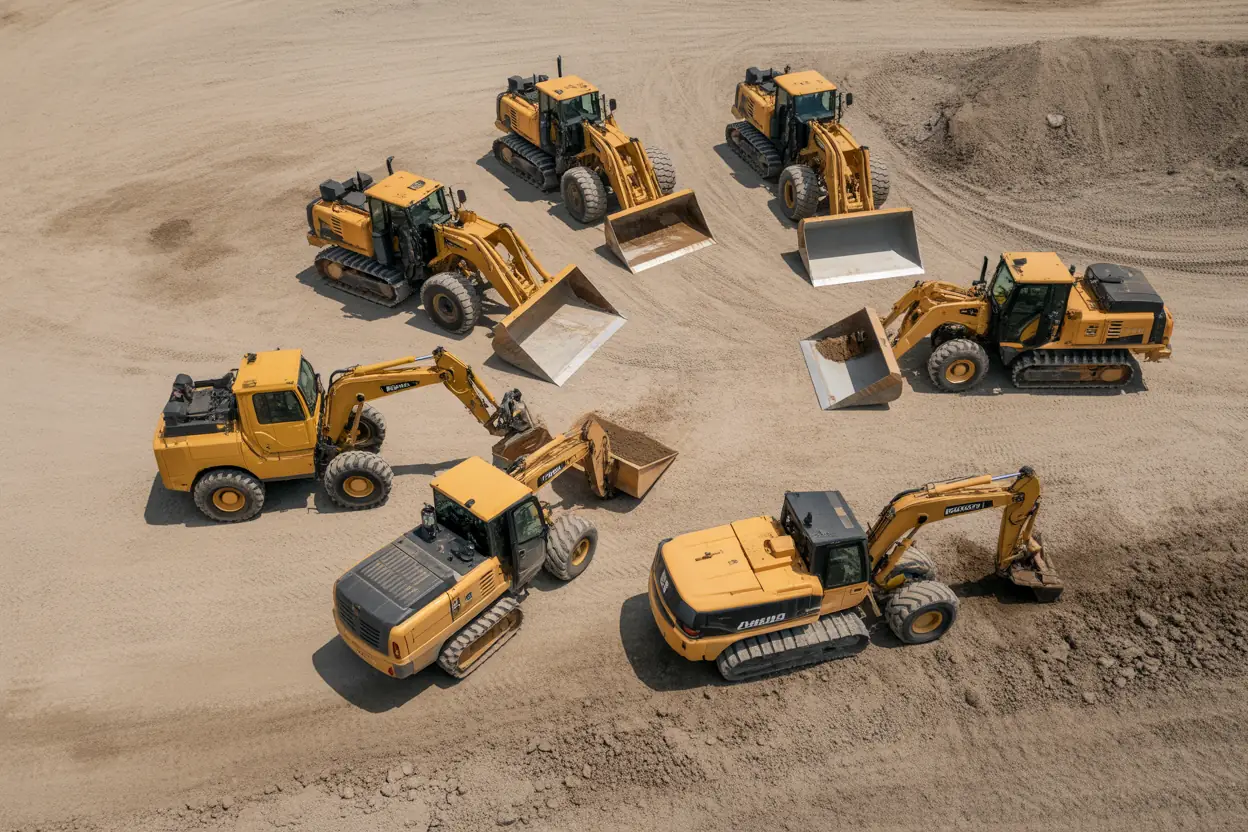
How to Prevent Downtime in Multi-Brand Earthmoving Fleets

How to Source OEM Undercarriage Parts Without Project Delays
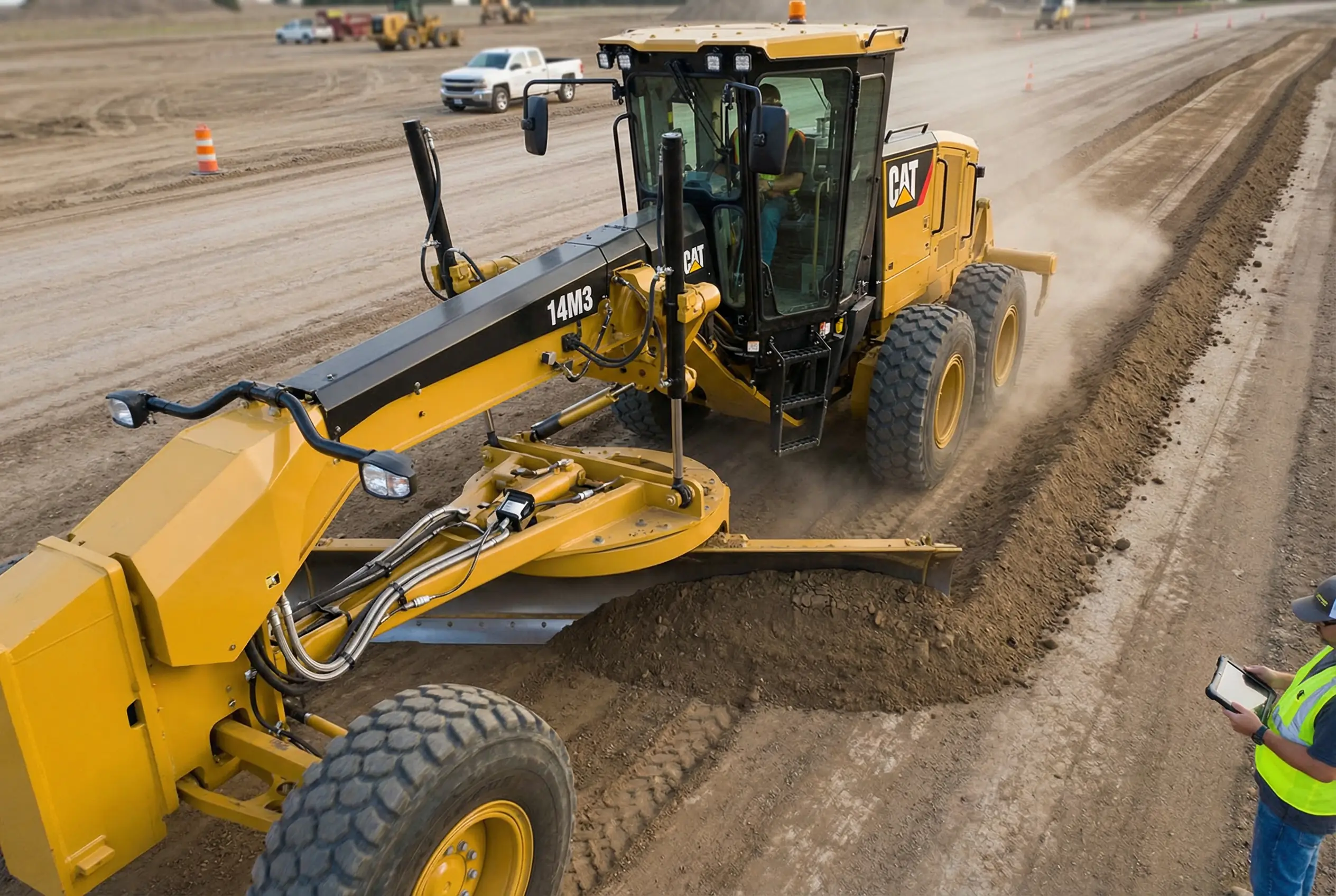
Motor Grader Predictive Diagnostics: Prevent Hydraulic Failures & Reduce Downtime
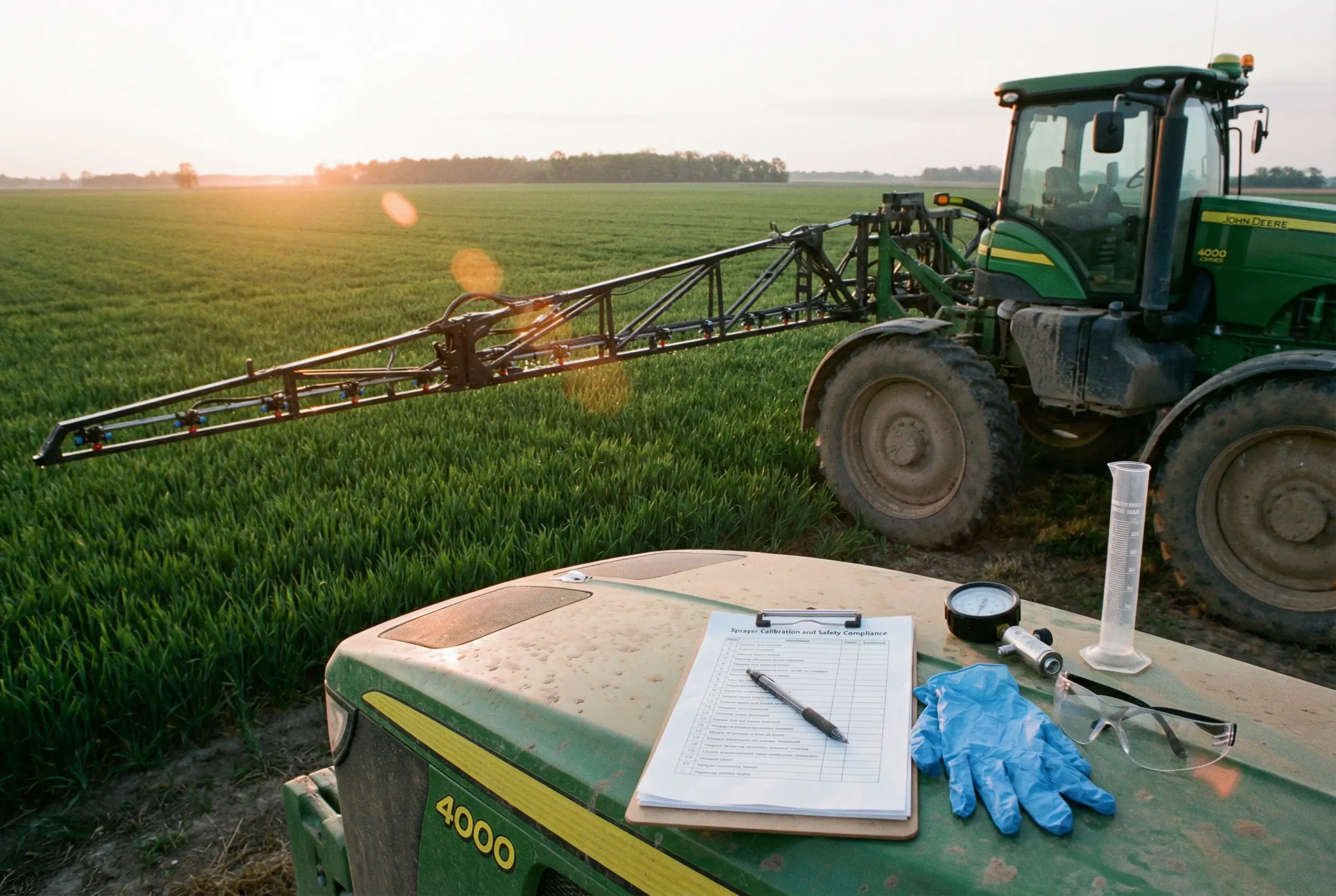
Pesticide Sprayer Calibration: Essential Safety Compliance Guide & Protection

Seeder Bearing Parts Sourcing Guide: Critical Components & Strategy
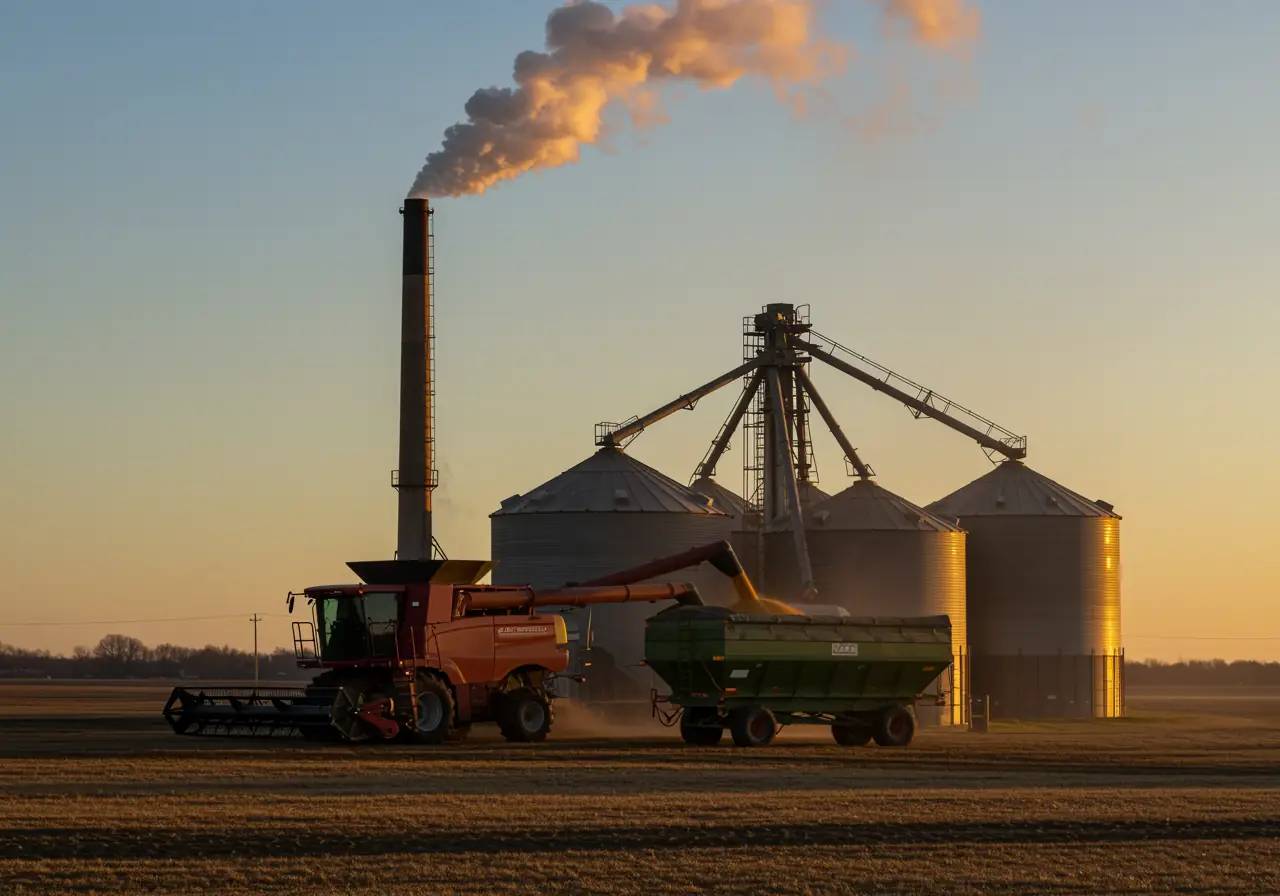
Downtime Prevention Through Smart Inventory for Grain Dryers

Combine Harvester Breakdown Prevention Guide: Predictive Analytics for Zero Downtime

Master Global Agricultural Parts Delivery | Mid-Season MRO Guide

Fixing Haul Truck Downtime Issues: Remote Parts Strategy Guide 2025
Blasting Equipment Safety Compliance: Must-Know Audit Requirements for 2025

The Step-by-Step Guide to Global Drill Rig Consumables Sourcing
Mining Conveyor Maintenance Guide: Detecting Hidden Risks in Underground Systems
Best Practices for Certified Pipeline Valve Selection: From Specs to Installation

Optimizing Oil Rig PPE Delivery: Proven Strategies That Saved $2M Annually

FPSO Smart Parts Planning: Proven Methods to Cut Downtime

How FPSO Inspection Prevents Million-Dollar Shutdown Losses

Fix It Before It Breaks: A Farmer's Guide to Combine and Harvester Maintenance

Why Fast Tractor Parts Delivery is Changing Modern Farming [2025 Guide]

The Critical Farm Equipment Replacement Parts You Need Before Harvest 2025
.webp)
How to Double Your Farm Efficiency: Expert Guide to Smart Scaling
Cut Costs by 30%: Pre-Season Spare Parts Audit Checklist

Proven Success Factors for Agricultural Equipment Manufacturers in 2025

13 Overlooked Farm Spare Parts That Halt Operations — Pt. 2

13 Overlooked Farm Spare Parts That Halt Operations — Pt. 1

Top Hydraulic Components for Agricultural Equipment in 2025: Complete Guide
The Essential Farm Equipment Parts You Can't Afford to Run Out Of
How to Service Farm Equipment: A Farmer's Guide to Zero Harvest Downtime
Construction Machinery Parts Suppliers: Expert Selection Guide
How to Apply Machine Safety Rules: From Selection to Installation

Smart Diagnostics Cut Heavy Equipment Failures by 73%

5 Ways to Assess the Environmental Impact of Heavy Construction Machinery
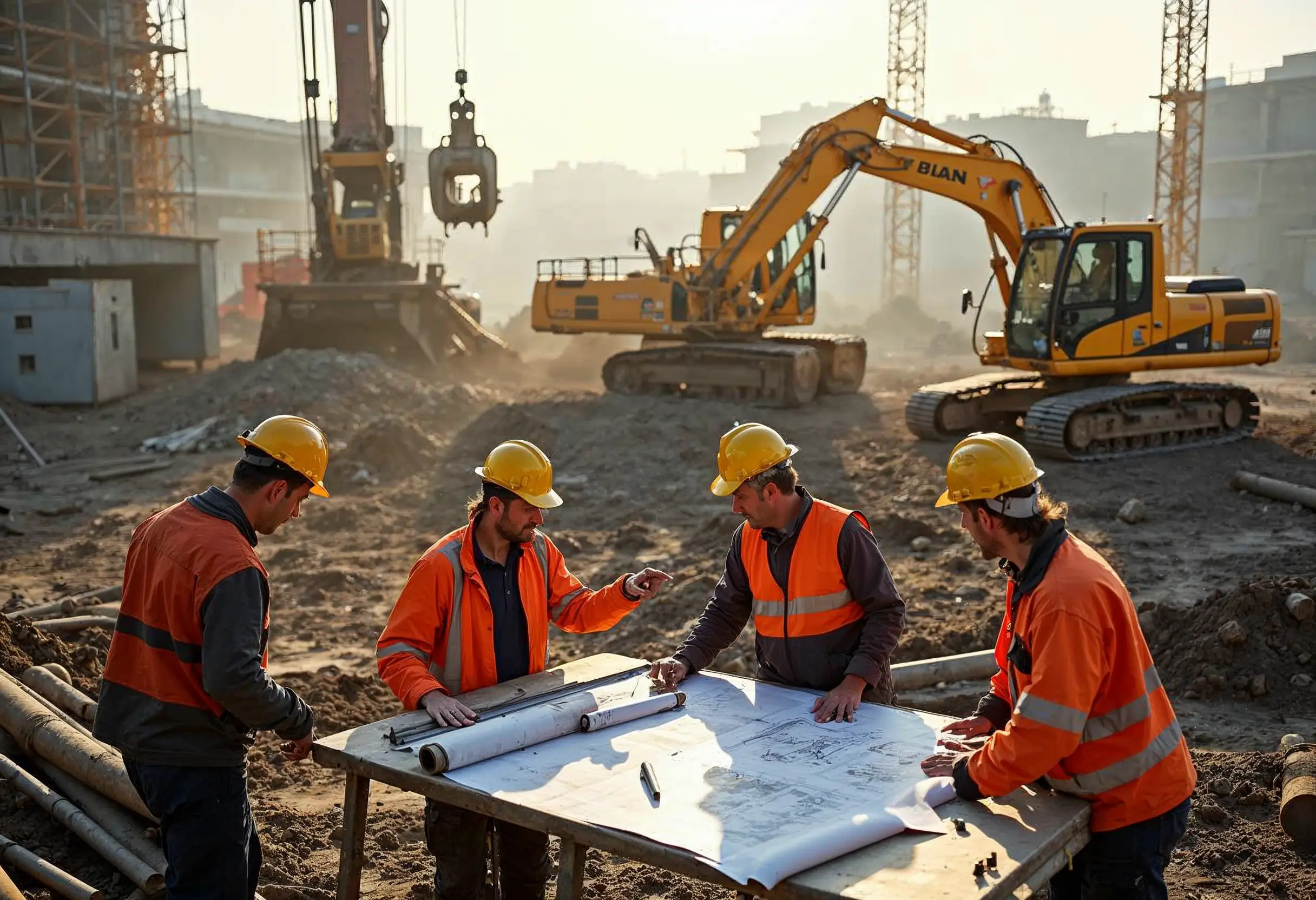
10 Smart Ways to Pick Construction Machinery for 2025 Projects
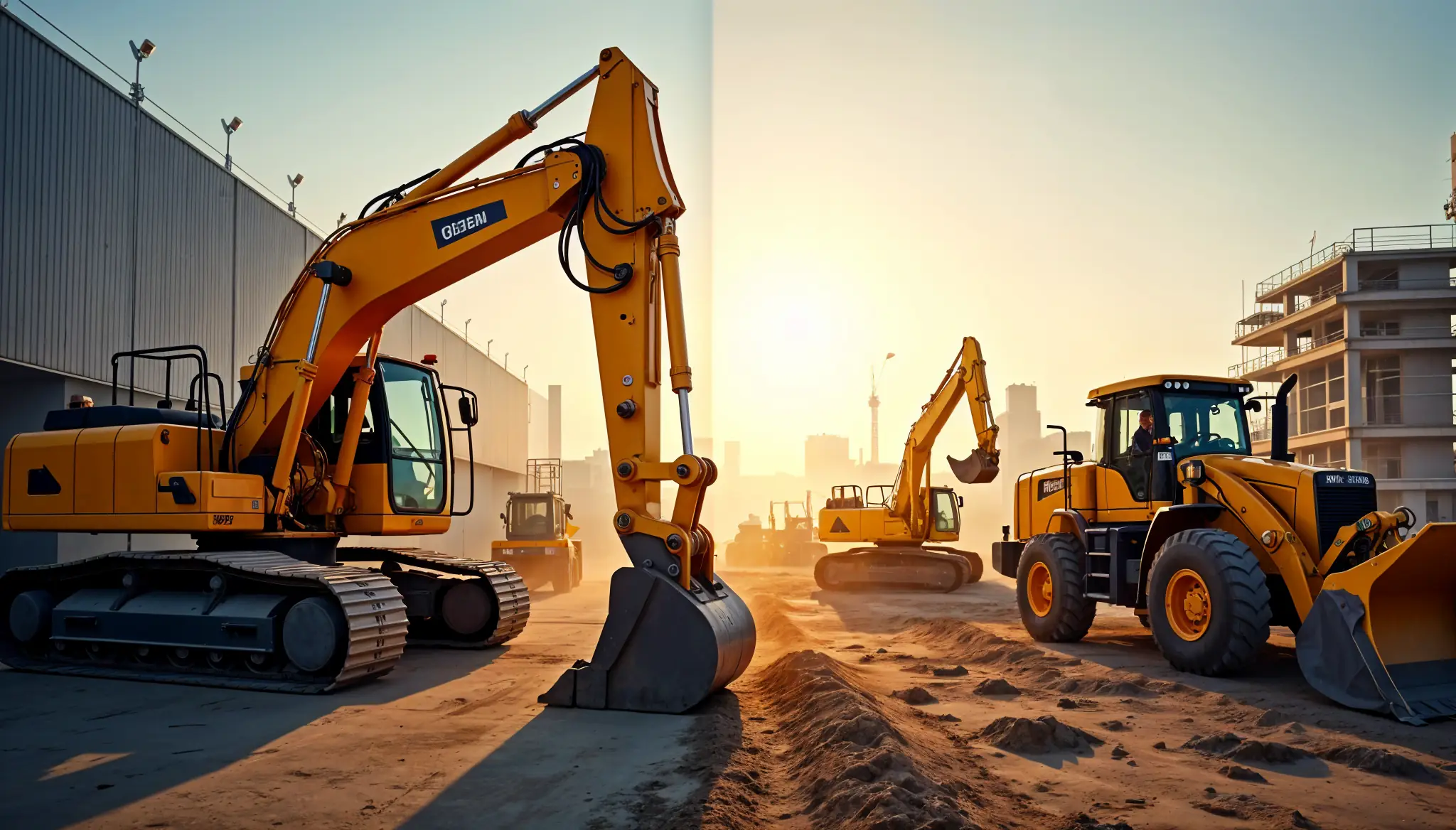
Rent vs Purchase Equipment: What Heavy Industry Experts Hide

How to Implement a Construction Inventory Management System for Equipment Efficiency
How to Extend Equipment Life Expectancy with Regular Maintenance
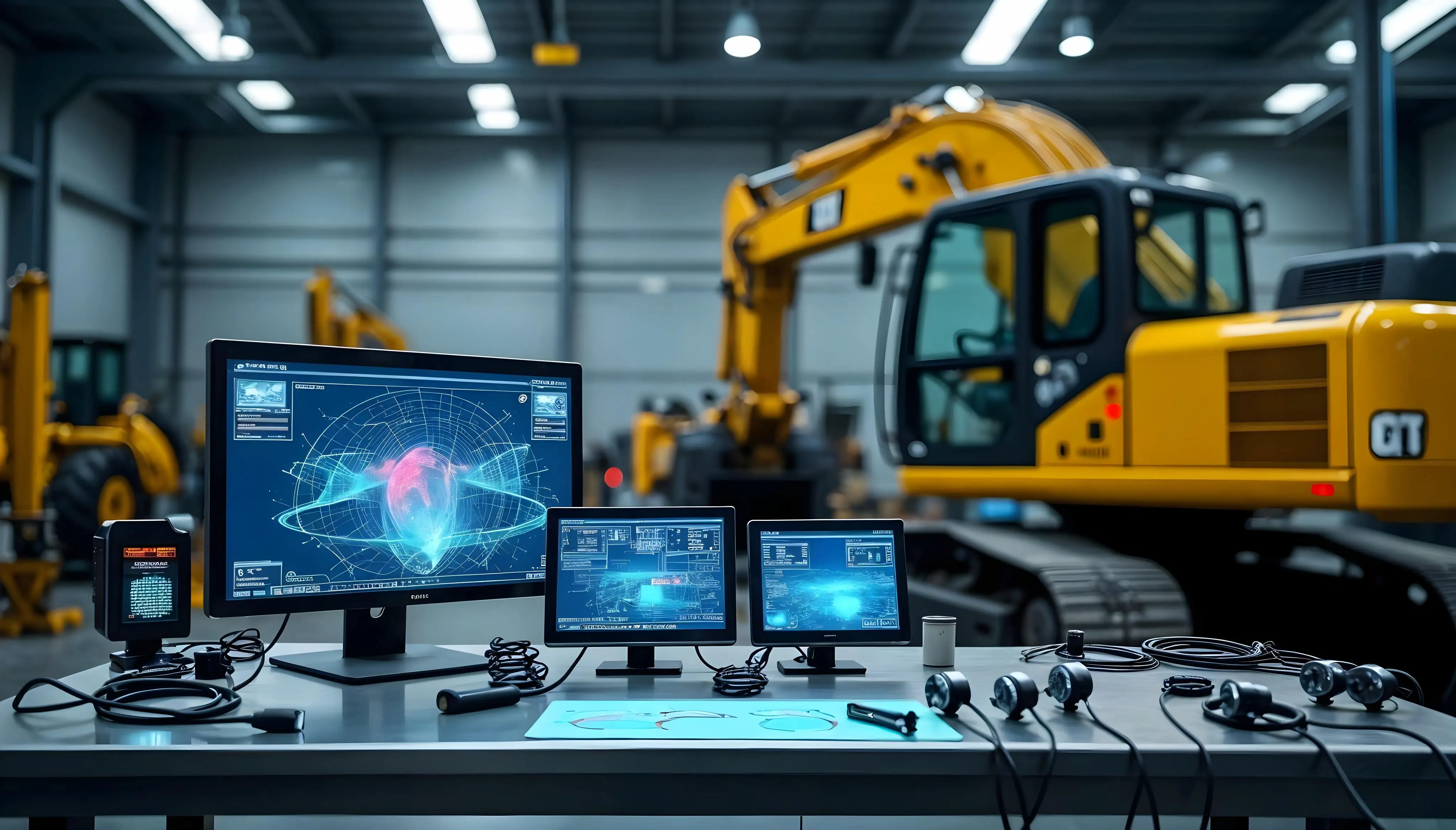
Advanced Heavy Equipment Diagnostic Tools: Ensuring Construction Machinery Quality

Essential Features Your Construction Equipment Inventory System Needs
29 Quick Tips for Choosing Construction Equipment for Remote Locations

How to Select Construction Machinery with Optimal Equipment Maintenance in Mind
Top 25 Tips for Selecting Bulldozers for Construction Sites
Which Construction Loader is Best for Your Project Needs?

4 Key Steps to Form a Construction Machinery QC Team

15 Essential Tips for Selecting the Perfect Crane for Construction

Maximize Savings: Multi-Purpose Construction Machinery for Lower Costs
Affordable Heavy Equipment Parts: A Sourcing Guide
Choosing the Right Road Construction Equipment: A Complete Guide

Motor Graders: Key Elements to Consider for Optimal Selection
A Detailed Guide to Choosing Excavators for Construction Work
Top Tips for Choosing Cranes for Construction Projects
5 Top-Rated Demolition Machines for Construction Professionals

Expert Tips on Choosing Earthmoving Equipment for Large Projects
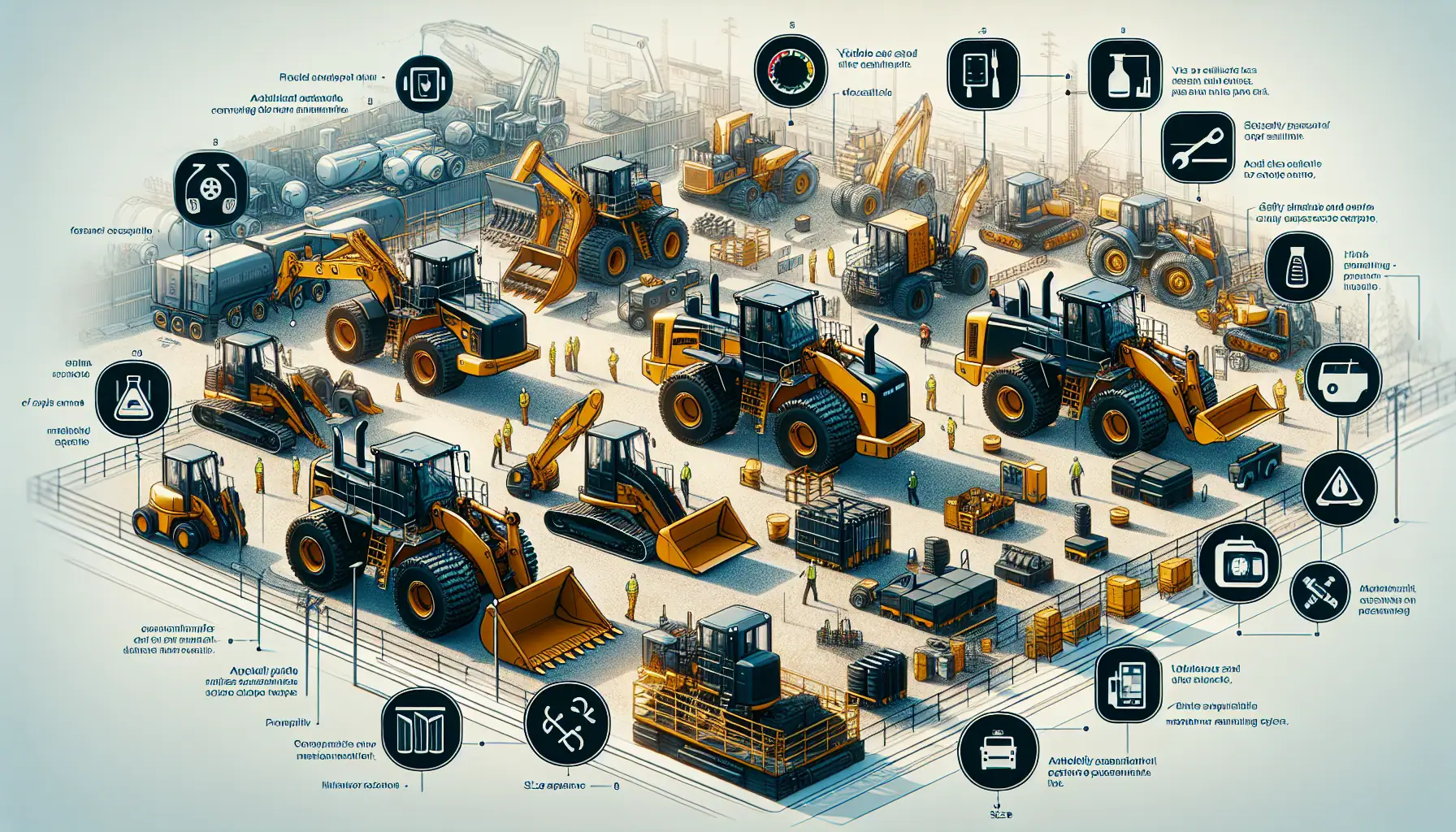
Top Functional Criteria for Selecting Heavy Construction Equipment

Construction Machinery: Detailed Guide to Equipment Specifications
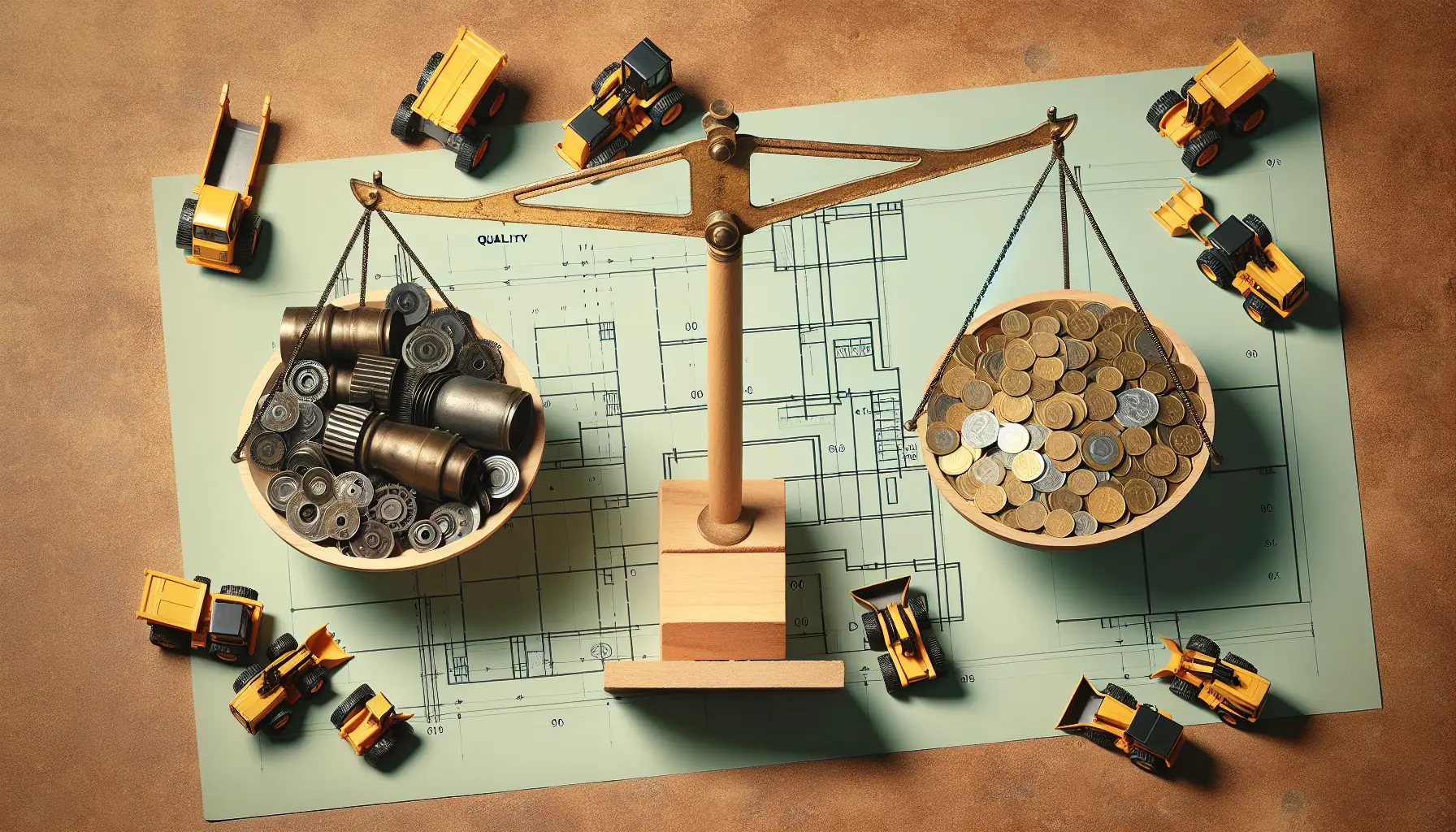
Heavy Machinery Prices: Key Factors in Cost and Quality Balance
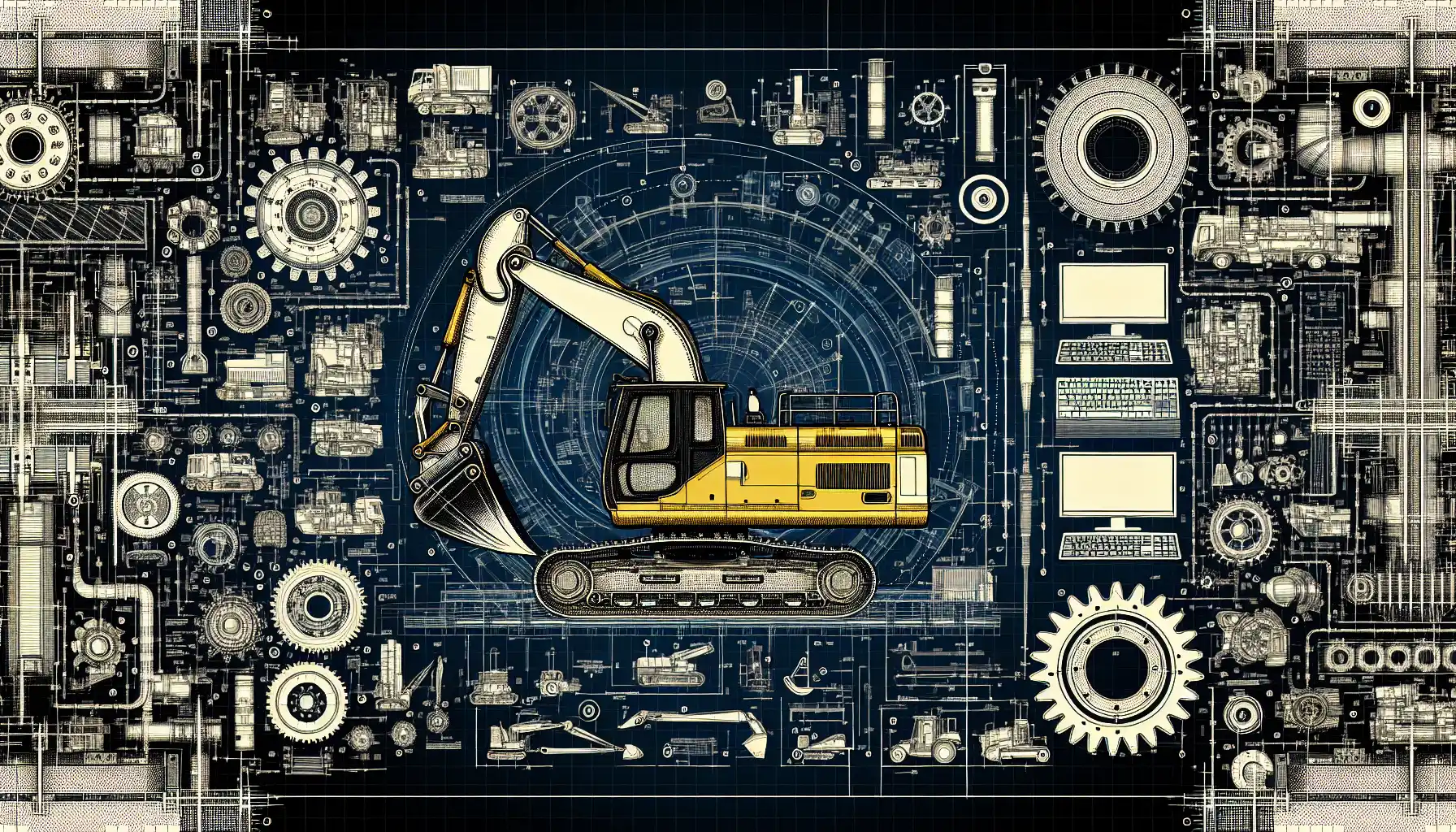
Best Construction Heavy Equipment Brands: Pros and Cons
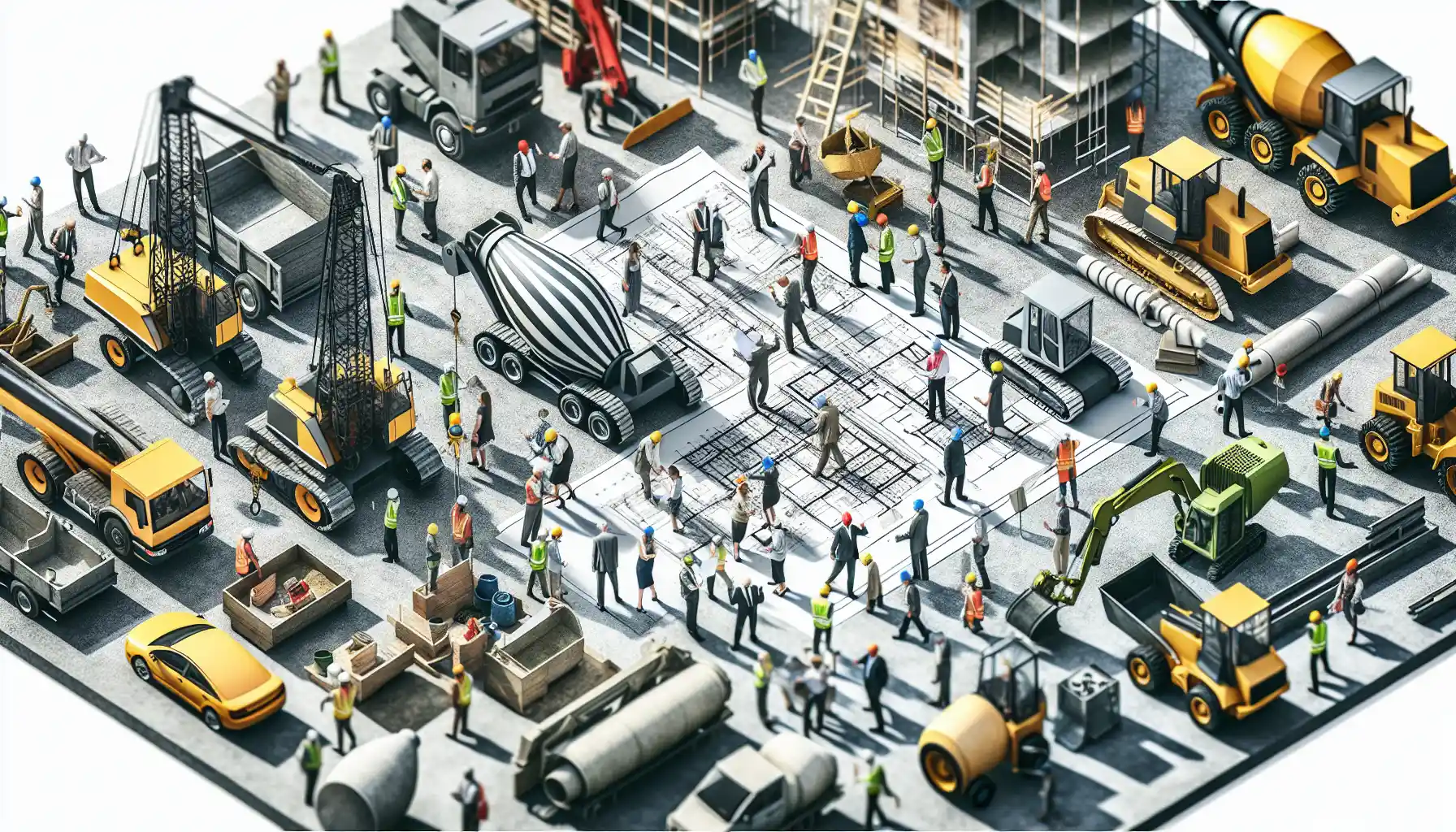
Construction Site Equipment: How to Determine Your Requirements
Maximizing Safety: Risk Management for Construction Projects

Innovations in Construction: Transforming Machinery and Equipment
Heavy Equipment Safety: Beyond the Basics in Construction Compliance
The Essential Handbook for Construction Equipment Repair and Maintenance

How to Efficiently Source Oil and Gas Machinery Parts in NYC

Essential Guide to Sourcing Agriculture Equipment Parts

How to Source Mining Machinery Parts: Tips and Strategies