NYC High-Rise Construction Boom 2026: Parts for Record Number of Tower Projects

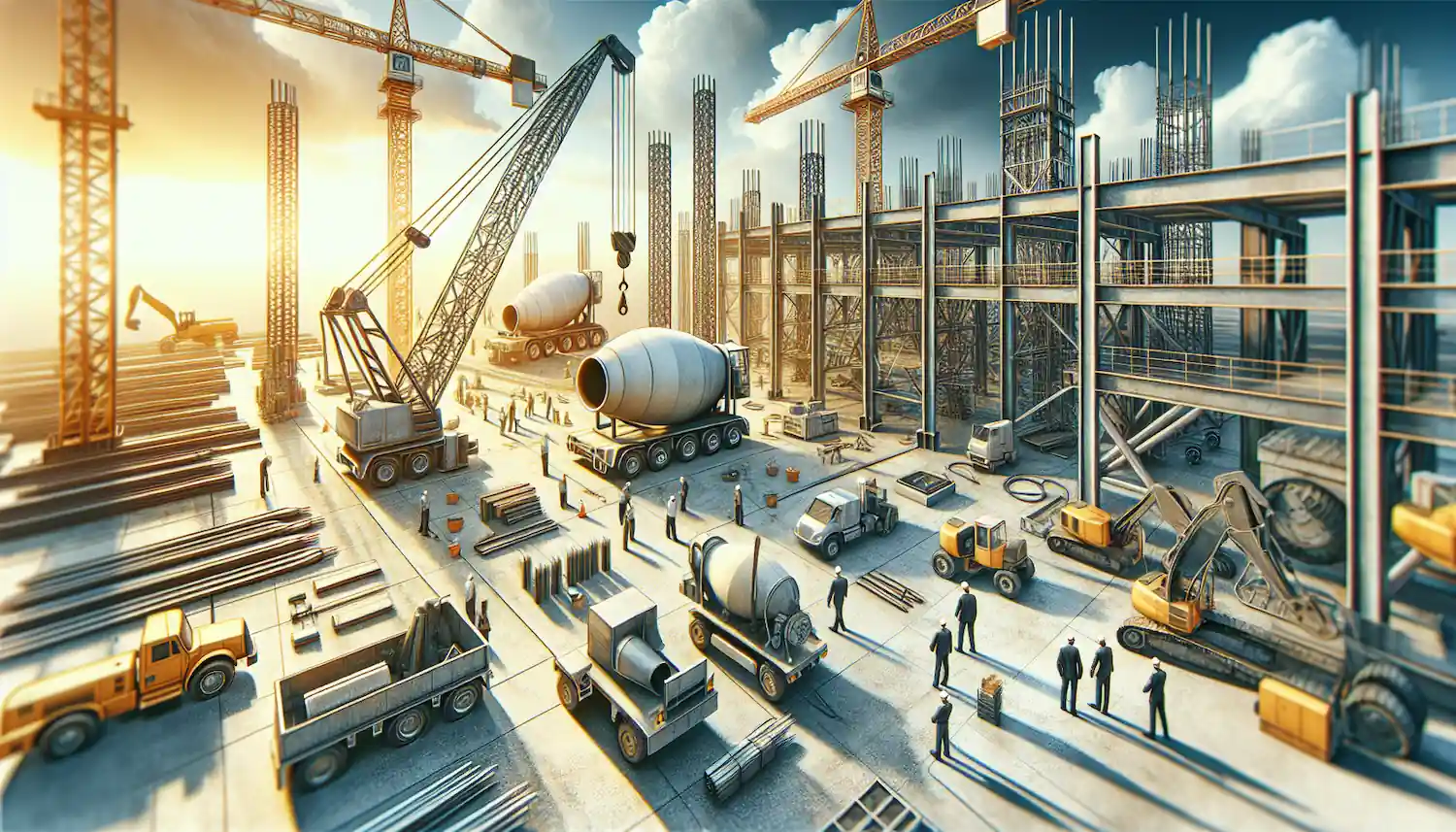
New York City's skyline is about to undergo its most dramatic transformation in over a decade. With more than 50 new skyscrapers currently in development across the five boroughs, 2026 marks a pivotal year for high-rise construction in the Big Apple. This unprecedented building surge is creating massive demand for specialized vertical equipment, tower crane parts, and the expertise needed to keep these massive projects running smoothly. For contractors and construction managers navigating this boom, understanding the scope of projects and securing reliable parts suppliers has never been more critical.

The Scale of NYC's 2026 Construction Surge
Over 50 Skyscrapers Reshaping the Skyline
The numbers tell a compelling story about New York's construction renaissance. More than 50 high-rise towers are currently moving through various stages of development, from final planning approvals to active construction. These projects span residential luxury condominiums, mixed-use developments, commercial office towers, and affordable housing initiatives. Manhattan continues to lead with supertall projects in Midtown and along the southern tip, while Brooklyn and Queens are experiencing their own vertical growth spurts with multiple 20+ story buildings breaking ground.
This concentration of simultaneous high-rise construction NYC 2026 projects represents the city's largest building wave since the pre-2008 boom, signaling strong developer confidence and pent-up demand for vertical space in America's densest city.
Economic Drivers Behind the Building Boom
Several converging factors have triggered this construction explosion. Post-pandemic economic recovery has reinvigorated commercial real estate investment, while residential demand remains strong despite market fluctuations. Zoning changes in several neighborhoods have unlocked development potential, and historically low interest rates during the planning phases allowed developers to secure favorable financing. Additionally, New York's chronic housing shortage continues to push both market-rate and affordable housing projects forward at an accelerated pace.
The construction industry itself is responding with expanded capacity, but the sheer volume of concurrent projects is straining supply chains for specialized equipment and creating unprecedented demand for tower crane parts and vertical construction equipment.
Geographic Distribution Across the Boroughs
While Manhattan commands attention with its supertall towers, the construction boom extends well beyond the island. Brooklyn's downtown and waterfront areas are seeing significant high-rise activity, with several towers exceeding 50 stories. Long Island City in Queens continues its transformation with multiple residential towers, and even the Bronx is experiencing new vertical development along transit corridors. This geographic spread means construction equipment suppliers must serve job sites across a wider area than traditional Manhattan-centric booms.
Critical Equipment Powering Vertical Construction
Tower Crane Systems: The Backbone of High-Rise Work
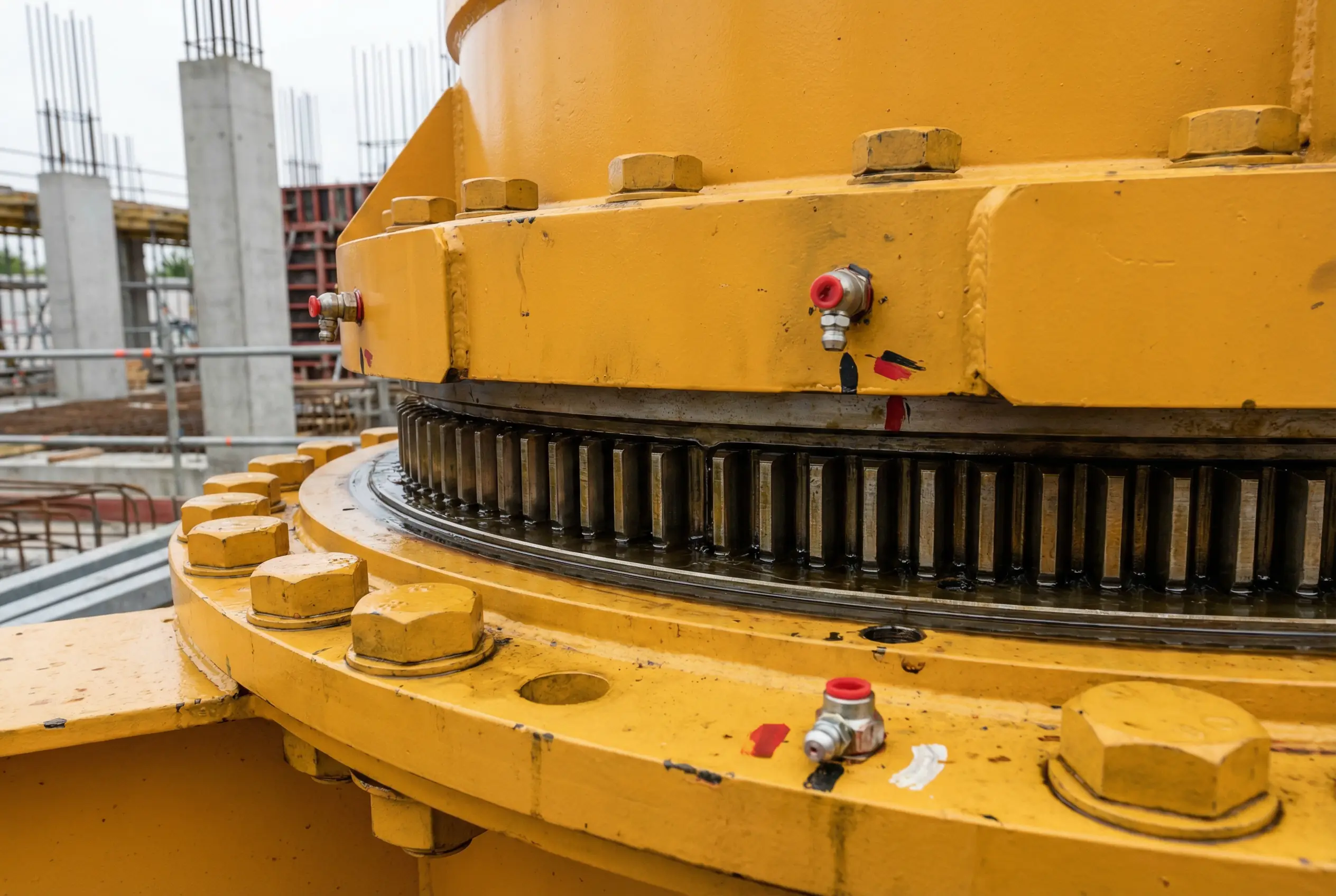
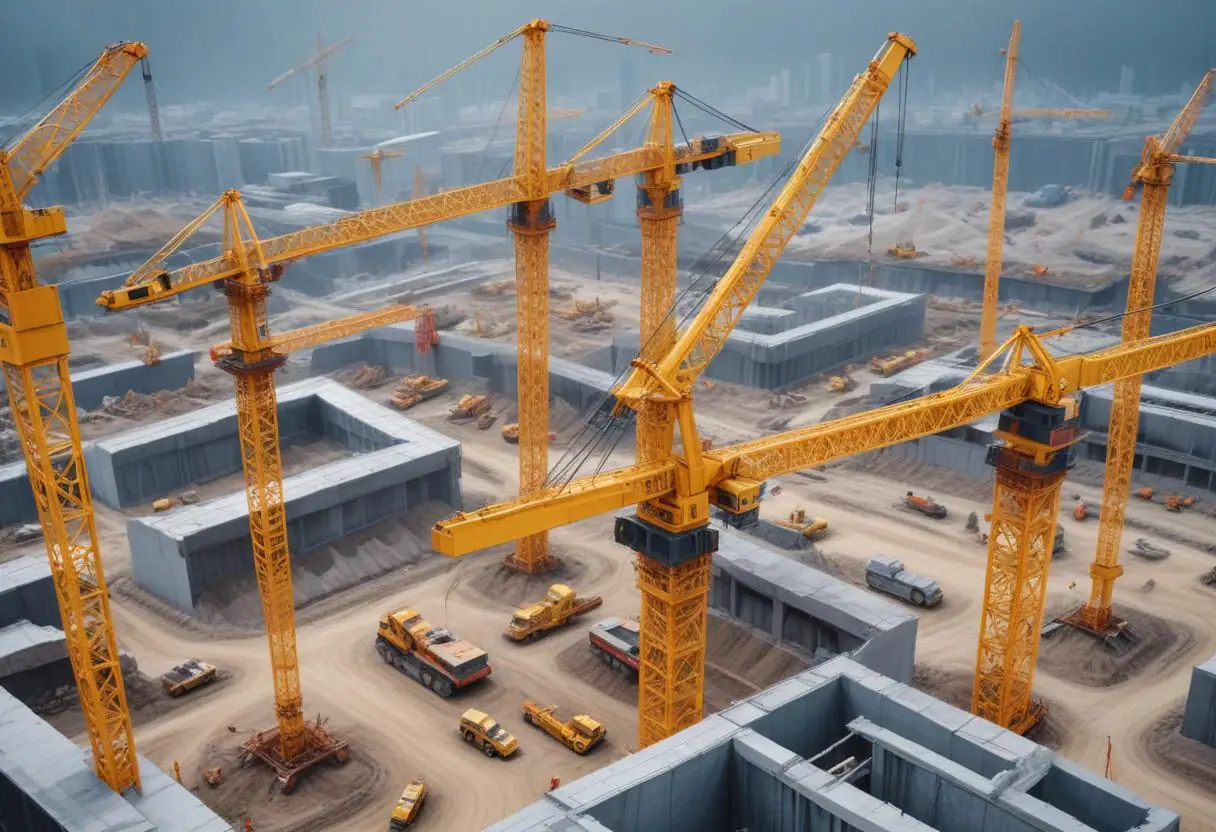
Tower cranes dominate the skyline of any major construction project, and with 50+ buildings under development, New York's crane count has reached record levels. These sophisticated machines require constant maintenance and occasional part replacement to maintain safety and efficiency. Tower crane parts including slew rings, hoist motors, cable systems, load moment indicators, and hydraulic components experience significant wear under the demanding conditions of urban high-rise construction.
For contractors working on these projects, establishing relationships with reliable suppliers like MCH Parts NYC becomes essential. Downtime caused by equipment failure or parts delays can cost tens of thousands of dollars per day and cascade through project schedules. Having access to genuine OEM parts and knowledgeable technical support can mean the difference between minor maintenance windows and extended costly shutdowns.
Hoist Systems and Material Handling Equipment
Beyond tower cranes, high-rise construction depends on sophisticated hoist systems to move workers, materials, and equipment up and down the building face. Construction hoists, material lifts, and personnel elevators operate continuously throughout a project's life cycle. These vertical equipment systems require regular inspection, maintenance, and parts replacement to meet strict safety standards and maintain operational efficiency.
Components such as drive motors, brake systems, safety mechanisms, control panels, and cable assemblies must be maintained to manufacturer specifications. The specialized nature of this vertical equipment means that contractors cannot afford to work with generic suppliers - they need parts specialists who understand the specific requirements of high-rise construction equipment and can source components quickly when needed.
Specialized Vertical Transport Solutions
Modern supertall construction also relies on specialized jumping systems, climbing formwork, and self-climbing scaffolding that ascend with the building. These systems incorporate hydraulic components, structural elements, and safety mechanisms that require expert maintenance and occasional replacement. As projects push higher into the sky, the reliability of these vertical transport and work platform systems becomes increasingly critical to project timelines and worker safety.
Supply Chain Challenges and Solutions
Parts Availability in a Competitive Market
The concentration of 50+ simultaneous high-rise projects creates unprecedented competition for construction equipment and parts. Tower crane manufacturers, hoist suppliers, and equipment dealers are experiencing longer lead times for both new equipment and replacement components. This supply strain affects everything from major structural components to consumable parts like cables, brake pads, and hydraulic fluids.
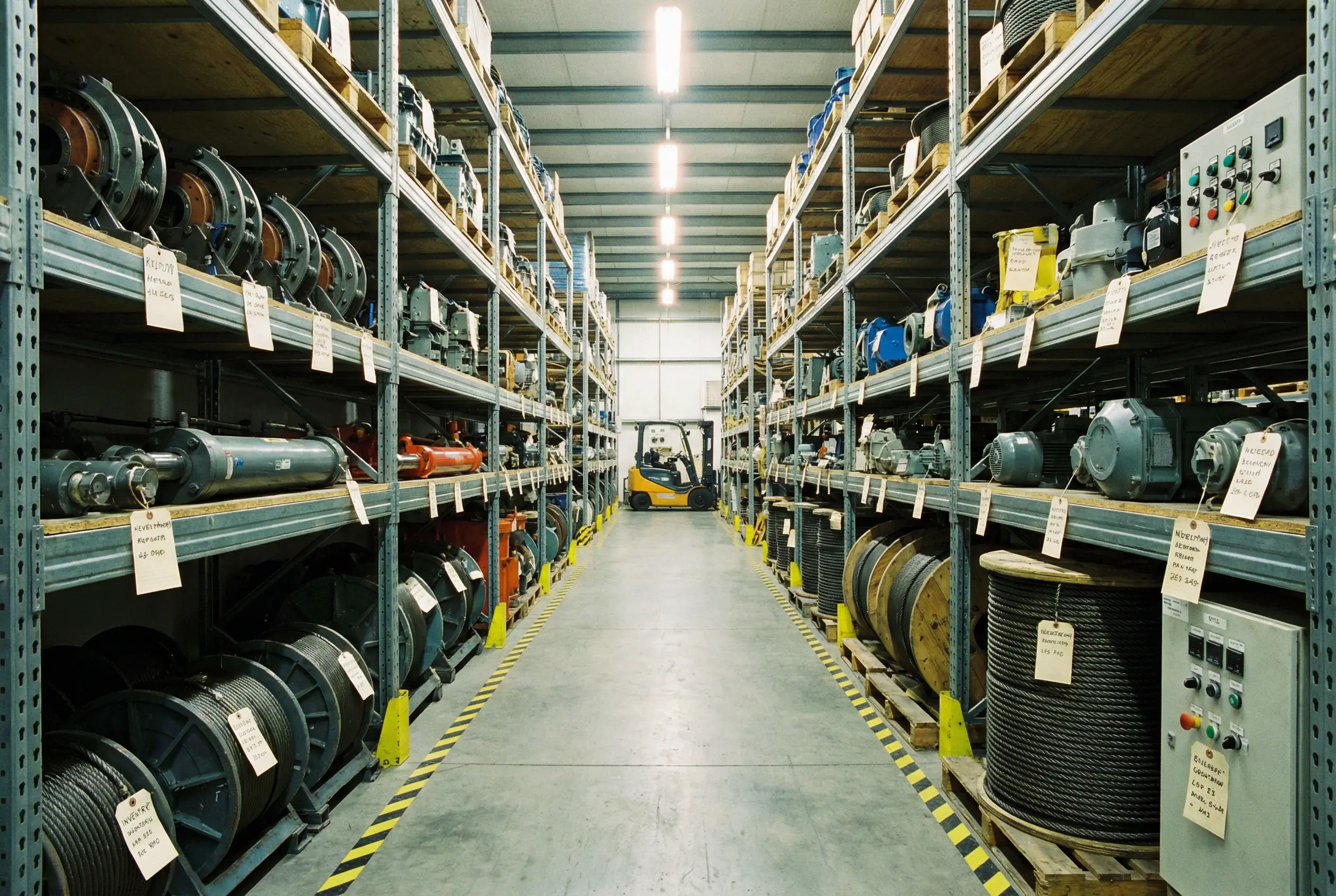
Savvy contractors are addressing these challenges by establishing relationships with multiple suppliers, maintaining larger on-site parts inventories for critical components, and working with specialized distributors who maintain stock specifically for the New York market. Companies like MCH Parts NYC that focus on construction equipment parts for the local market provide contractors with faster access to needed components without the delays associated with ordering from distant warehouses or manufacturers.

The Importance of Local Parts Suppliers
In the fast-paced environment of New York construction, proximity matters. When a critical component fails on a tower crane or hoist system, contractors need parts delivered in hours, not days. Local suppliers with warehouse stock in or near the city can provide same-day or next-day delivery that keeps projects moving. Beyond speed, local suppliers often provide better technical support, understanding the specific equipment configurations common in New York high-rise construction and offering guidance on installation and troubleshooting.
The value proposition of working with a specialized NYC supplier extends beyond emergency situations. For planned maintenance, having a local partner allows for better scheduling coordination, easier returns if incorrect parts are ordered, and the ability to physically inspect components before purchase for critical applications.
Preventive Maintenance to Avoid Costly Delays
With construction schedules compressed and competition for cranes and hoists intense, preventive maintenance has become more important than ever. Contractors are implementing rigorous maintenance schedules that include regular inspection of all vertical equipment, systematic replacement of wear components before failure, and thorough documentation of all equipment service history.
This proactive approach requires access to quality replacement parts and the expertise to identify components that are approaching end-of-life. Partnerships with knowledgeable suppliers help contractors develop maintenance schedules optimized for New York's demanding construction environment, where equipment operates longer hours and under more intensive conditions than many other markets.
Future Outlook for NYC High-Rise Development
Beyond 2026: The Construction Pipeline
While 2026 represents a peak year for concurrent high-rise projects, the development pipeline extends well into the decade. City planning documents and developer announcements indicate that the current boom is not a short-term spike but rather the beginning of a sustained period of vertical growth. This longer-term outlook has implications for construction companies, equipment suppliers, and the parts distribution network that supports them.
Contractors making equipment investments and supplier relationship decisions today should consider this extended timeline. The companies that will thrive through this construction cycle are those establishing sustainable partnerships, investing in maintenance capabilities, and building relationships with suppliers who demonstrate commitment to the New York market for the long term.
Technological Advances in Vertical Construction
The current building boom is also driving adoption of new technologies in high-rise construction. Remote crane monitoring systems, predictive maintenance algorithms, and advanced safety features are becoming standard on modern equipment. These technological advances create new requirements for parts suppliers, who must stock components for both legacy equipment and new technology-equipped machines.
The integration of IoT sensors and telematics systems into construction equipment provides opportunities for more strategic parts management, allowing contractors to predict component failures before they occur and order replacement parts proactively. However, this also requires suppliers who can provide not just parts but also technical expertise in these new systems.
Sustainability and Equipment Efficiency
New York's increasing focus on construction sustainability and energy efficiency extends to construction equipment as well. Contractors are under pressure to reduce emissions, minimize noise pollution, and operate more efficiently. This drives demand for electric hoist systems, hybrid crane power systems, and more efficient hydraulic components.
These sustainability trends influence parts selection, with contractors increasingly seeking components that improve equipment efficiency or extend service life. Suppliers like MCH Parts NYC who stay current with these evolving requirements and can provide environmentally conscious options alongside traditional parts will be valuable partners as the industry continues its green transformation.
Conclusion
New York City's 2026 high-rise construction boom represents an extraordinary opportunity and challenge for the construction industry. With more than 50 skyscrapers under development, the demand for reliable vertical equipment, tower crane parts, and specialized construction components has reached unprecedented levels. Success in this competitive environment requires more than just skilled labor and project management - it demands strategic partnerships with suppliers who understand the unique pressures of New York high-rise construction.
The contractors and project managers who navigate this boom most successfully will be those who prioritize equipment reliability, establish relationships with knowledgeable local suppliers, and implement proactive maintenance strategies that minimize costly downtime. As these towers rise to reshape New York's iconic skyline, the behind-the-scenes network of parts suppliers, equipment specialists, and maintenance professionals will play a crucial role in keeping projects on schedule and on budget.
For construction professionals working on any of these 50+ tower projects, having a reliable source for tower crane parts and vertical equipment components isn't just convenient - it's essential to project success. As the city builds upward at a record pace, the partnerships formed today will determine which companies are positioned to capitalize on this historic construction cycle.
Frequently Asked Questions
Q: How many high-rise buildings are currently under construction in NYC for 2026?
A: More than 50 new skyscrapers are currently in various stages of development across New York City's five boroughs for completion or active construction during 2026. This includes supertall towers in Manhattan, significant high-rise projects in Brooklyn and Queens, and new developments in the Bronx. The projects range from luxury residential condominiums to mixed-use developments and commercial office towers, representing the city's largest construction boom in over a decade.
Q: What are the most critical tower crane parts that need regular replacement?
A: The most critical tower crane components requiring regular maintenance and replacement include slew rings and bearings, hoist motors and brake systems, wire rope and cable assemblies, hydraulic cylinders and hoses, load moment indicators and safety systems, and electrical control components. These parts experience significant wear in the demanding environment of urban high-rise construction and require periodic inspection and replacement to maintain safety standards and operational efficiency.
Q: Why is working with a local NYC parts supplier important for high-rise construction projects?
A: Local parts suppliers offer several critical advantages for high-rise construction in NYC: same-day or next-day delivery for emergency parts needs, which minimizes costly downtime; better technical support from teams familiar with equipment configurations common in New York construction; easier coordination for returns and exchanges; the ability to physically inspect critical components before purchase; and understanding of local building codes and safety requirements. When equipment failure can cost tens of thousands of dollars per day, proximity and expertise become invaluable.
Q: What types of vertical equipment require specialized parts and maintenance?
A: High-rise construction relies on several categories of vertical equipment requiring specialized parts: tower cranes and mobile cranes for material handling; construction hoists and material lifts for moving workers and materials; personnel elevators for worker transport; climbing formwork systems that ascend with the building; self-climbing scaffolding and work platforms; and jumping systems for concrete placement equipment. Each system has specific maintenance requirements and requires access to genuine OEM or quality aftermarket parts to ensure safety and reliability.
Read More

Engine Air Filter vs. Cabin Filter 2026: EPA Guide

Radiator and Cooling System Parts: NYC Summer 2026
Bucket Teeth Selection 2026: Right Teeth for NYC Soil

Construction Equipment Filters 2026: Complete Replacement Schedule Updated
Track Replacement Guide 2026: How Long Do Undercarriage Parts Really Last?
Final Drive Troubleshooting 2026: 7 Warning Signs Before Complete Failure
Excavator Hydraulic Pump Replacement 2026: OEM vs Aftermarket Complete Guide

Weekend Equipment Breakdown: NYC After-Hours Parts Sourcing Guide 2026

Equipment Down in 2026? Get These 15 Critical Parts in NYC Within 2 Hours

NYC Port Modernization 2026: Heavy Equipment Parts for Hudson River Terminal Upgrades
Queens Is Being Built Right Now - Is Your Equipment Ready?
NYC High-Rise Construction Boom 2026: Parts for Record Number of Tower Projects
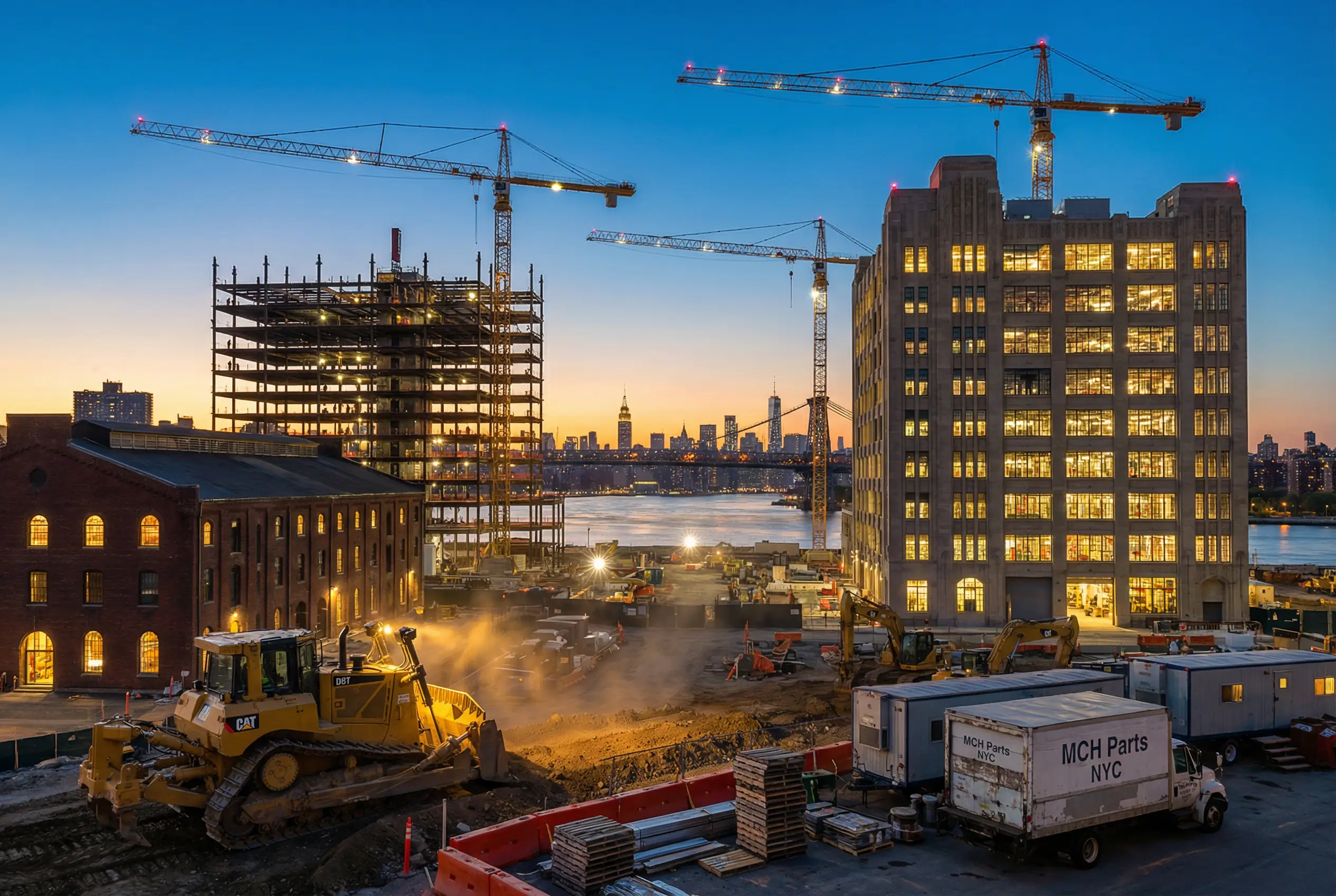
Brooklyn Navy Yard Construction: Specialized Parts for Historic Site Work
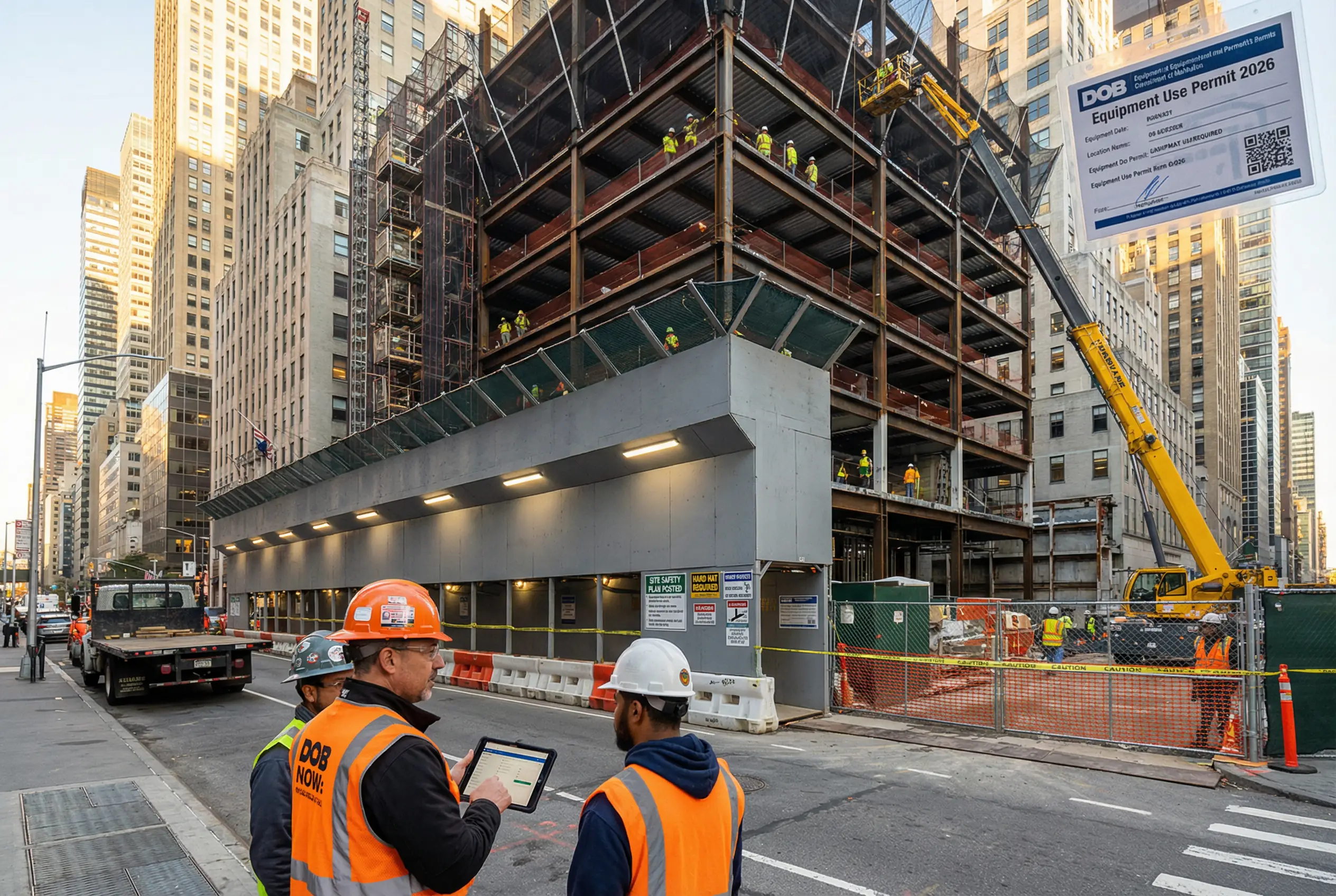
NYC DOB Construction Equipment Requirements 2026: Updated Parts & Modifications
Equipment Down in 2026? Get These 15 Critical Parts in NYC Within 2 Hours
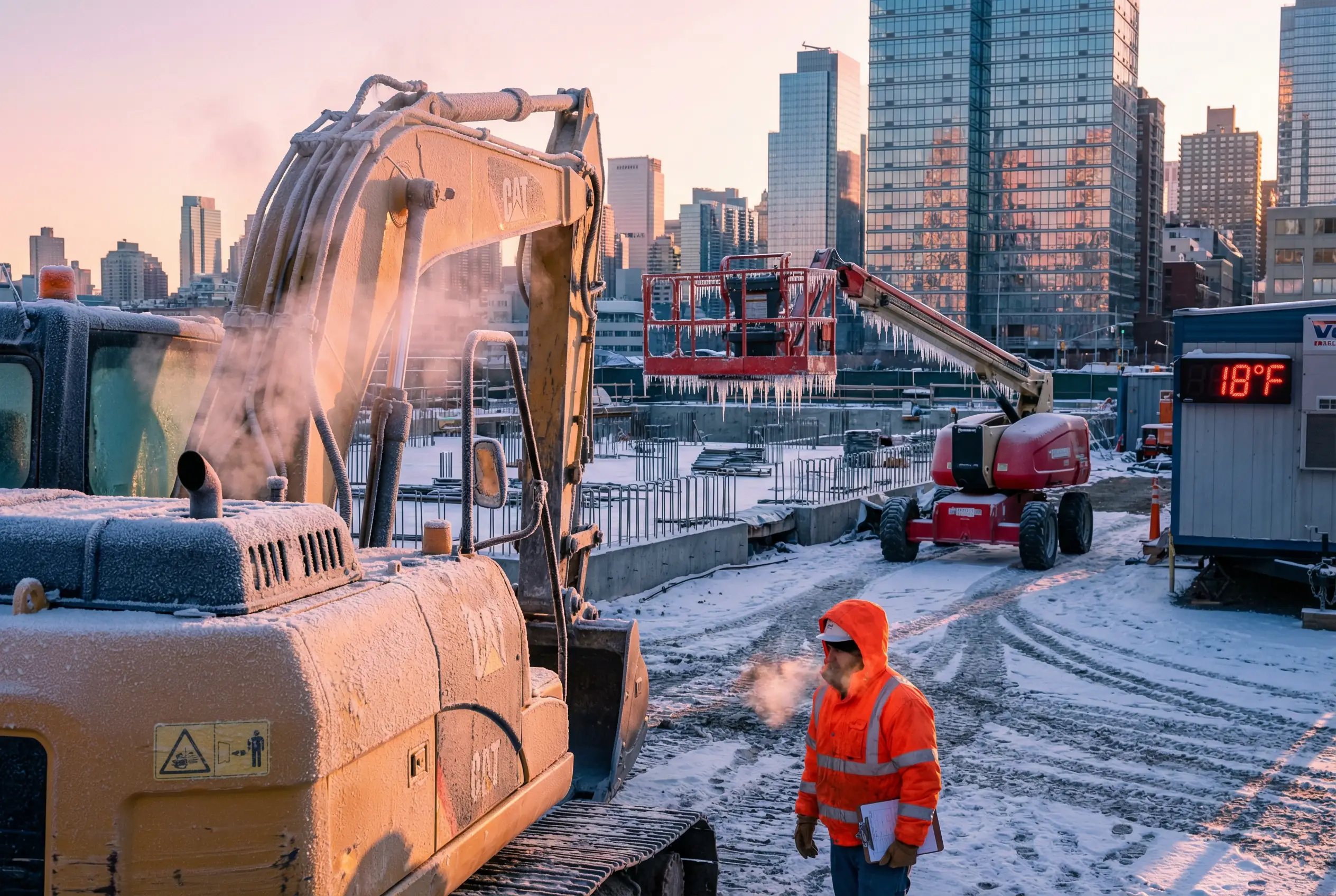
NYC Winter 2026 Construction: Critical Parts That Fail Below 20°F : Prevention Guide
Prevent Crane Downtime with a Proactive Parts Roadmap
How to Prevent Downtime in Multi-Brand Earthmoving Fleets

How to Source OEM Undercarriage Parts Without Project Delays
Motor Grader Predictive Diagnostics: Prevent Hydraulic Failures & Reduce Downtime

Pesticide Sprayer Calibration: Essential Safety Compliance Guide & Protection

Seeder Bearing Parts Sourcing Guide: Critical Components & Strategy
Downtime Prevention Through Smart Inventory for Grain Dryers

Combine Harvester Breakdown Prevention Guide: Predictive Analytics for Zero Downtime

Master Global Agricultural Parts Delivery | Mid-Season MRO Guide

Fixing Haul Truck Downtime Issues: Remote Parts Strategy Guide 2025
Blasting Equipment Safety Compliance: Must-Know Audit Requirements for 2025
The Step-by-Step Guide to Global Drill Rig Consumables Sourcing
Mining Conveyor Maintenance Guide: Detecting Hidden Risks in Underground Systems
Best Practices for Certified Pipeline Valve Selection: From Specs to Installation
Optimizing Oil Rig PPE Delivery: Proven Strategies That Saved $2M Annually
FPSO Smart Parts Planning: Proven Methods to Cut Downtime
How FPSO Inspection Prevents Million-Dollar Shutdown Losses

Fix It Before It Breaks: A Farmer's Guide to Combine and Harvester Maintenance

Why Fast Tractor Parts Delivery is Changing Modern Farming [2025 Guide]

The Critical Farm Equipment Replacement Parts You Need Before Harvest 2025
.webp)
How to Double Your Farm Efficiency: Expert Guide to Smart Scaling
Cut Costs by 30%: Pre-Season Spare Parts Audit Checklist

Proven Success Factors for Agricultural Equipment Manufacturers in 2025

13 Overlooked Farm Spare Parts That Halt Operations — Pt. 2

13 Overlooked Farm Spare Parts That Halt Operations — Pt. 1

Top Hydraulic Components for Agricultural Equipment in 2025: Complete Guide
The Essential Farm Equipment Parts You Can't Afford to Run Out Of
How to Service Farm Equipment: A Farmer's Guide to Zero Harvest Downtime
Construction Machinery Parts Suppliers: Expert Selection Guide
How to Apply Machine Safety Rules: From Selection to Installation

Smart Diagnostics Cut Heavy Equipment Failures by 73%

5 Ways to Assess the Environmental Impact of Heavy Construction Machinery
10 Smart Ways to Pick Construction Machinery for 2025 Projects
Rent vs Purchase Equipment: What Heavy Industry Experts Hide

How to Implement a Construction Inventory Management System for Equipment Efficiency
How to Extend Equipment Life Expectancy with Regular Maintenance
Advanced Heavy Equipment Diagnostic Tools: Ensuring Construction Machinery Quality
Essential Features Your Construction Equipment Inventory System Needs
29 Quick Tips for Choosing Construction Equipment for Remote Locations

How to Select Construction Machinery with Optimal Equipment Maintenance in Mind
Top 25 Tips for Selecting Bulldozers for Construction Sites
Which Construction Loader is Best for Your Project Needs?

4 Key Steps to Form a Construction Machinery QC Team

15 Essential Tips for Selecting the Perfect Crane for Construction
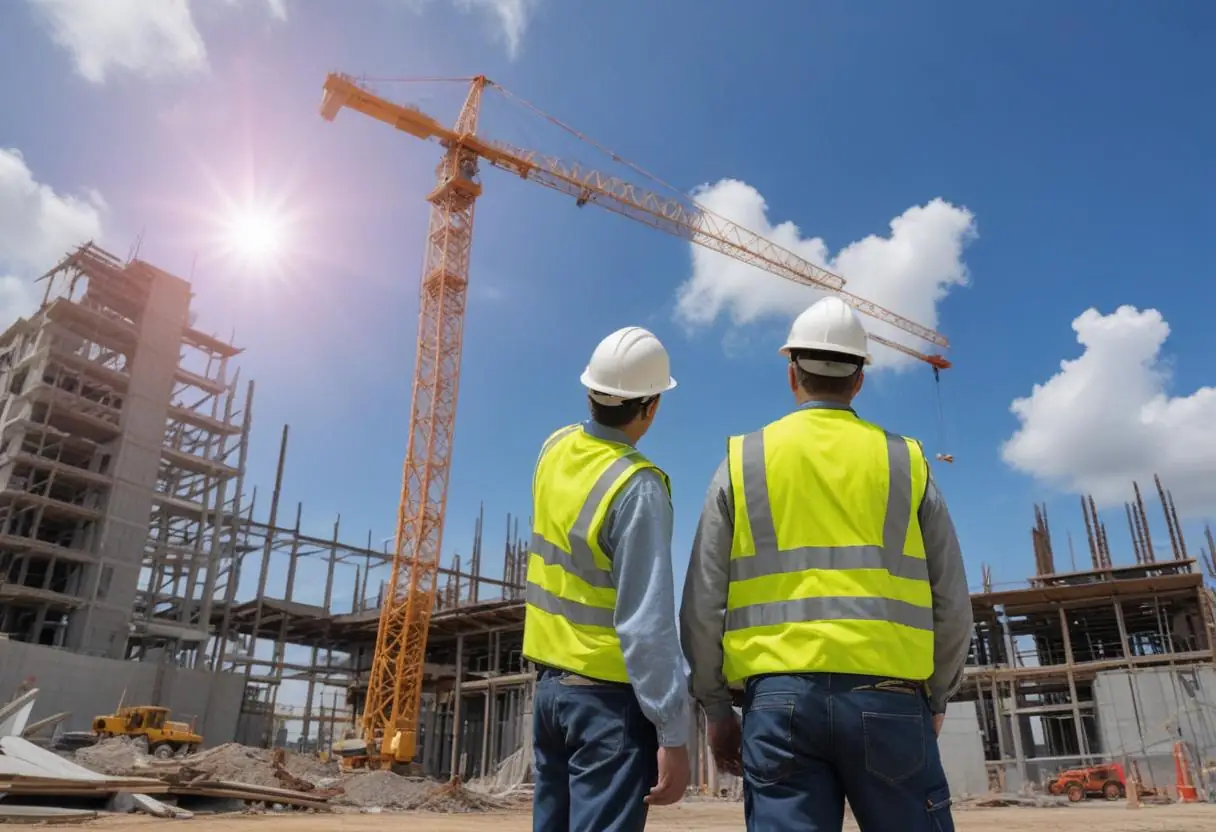
Maximize Savings: Multi-Purpose Construction Machinery for Lower Costs
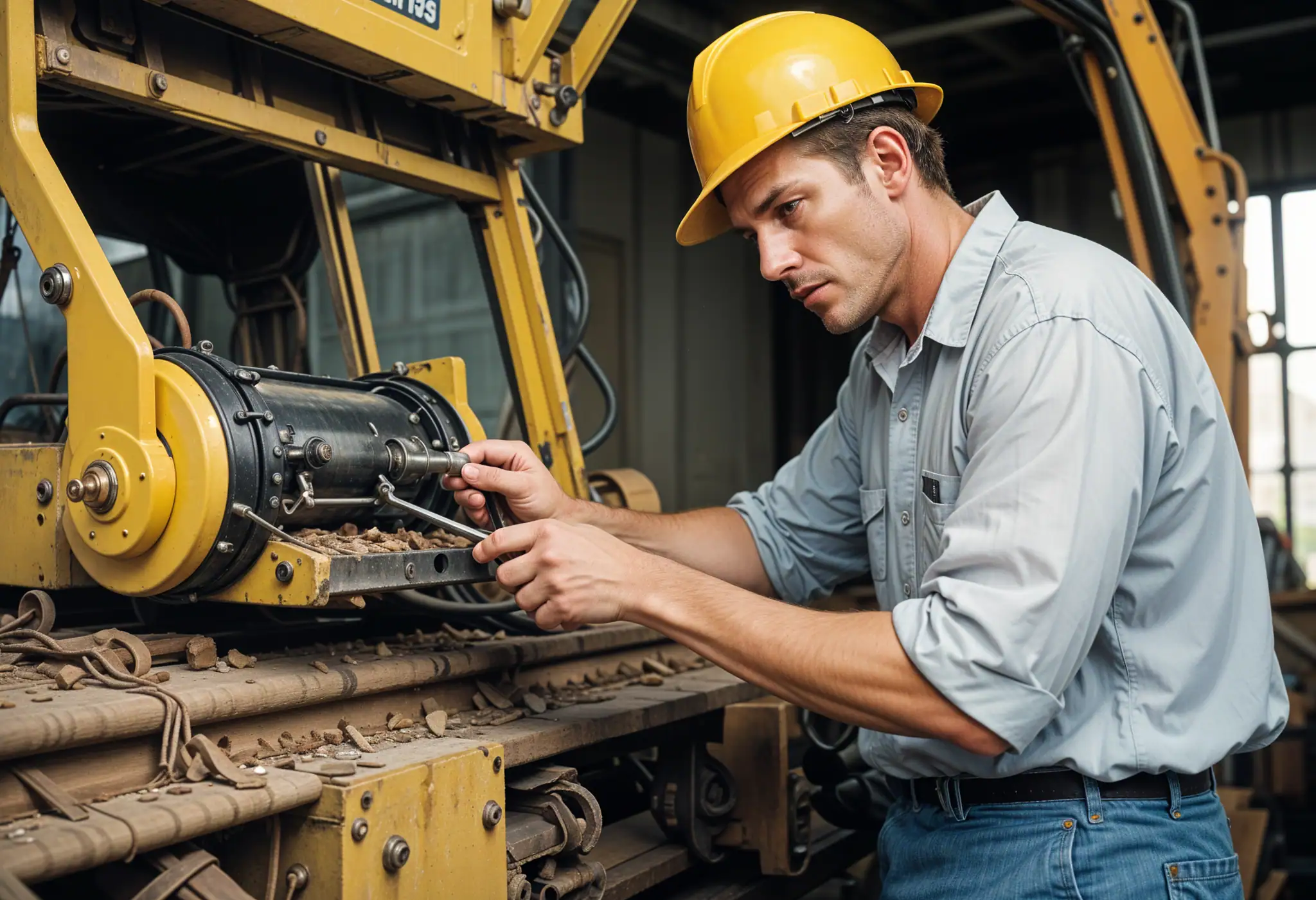
Affordable Heavy Equipment Parts: A Sourcing Guide
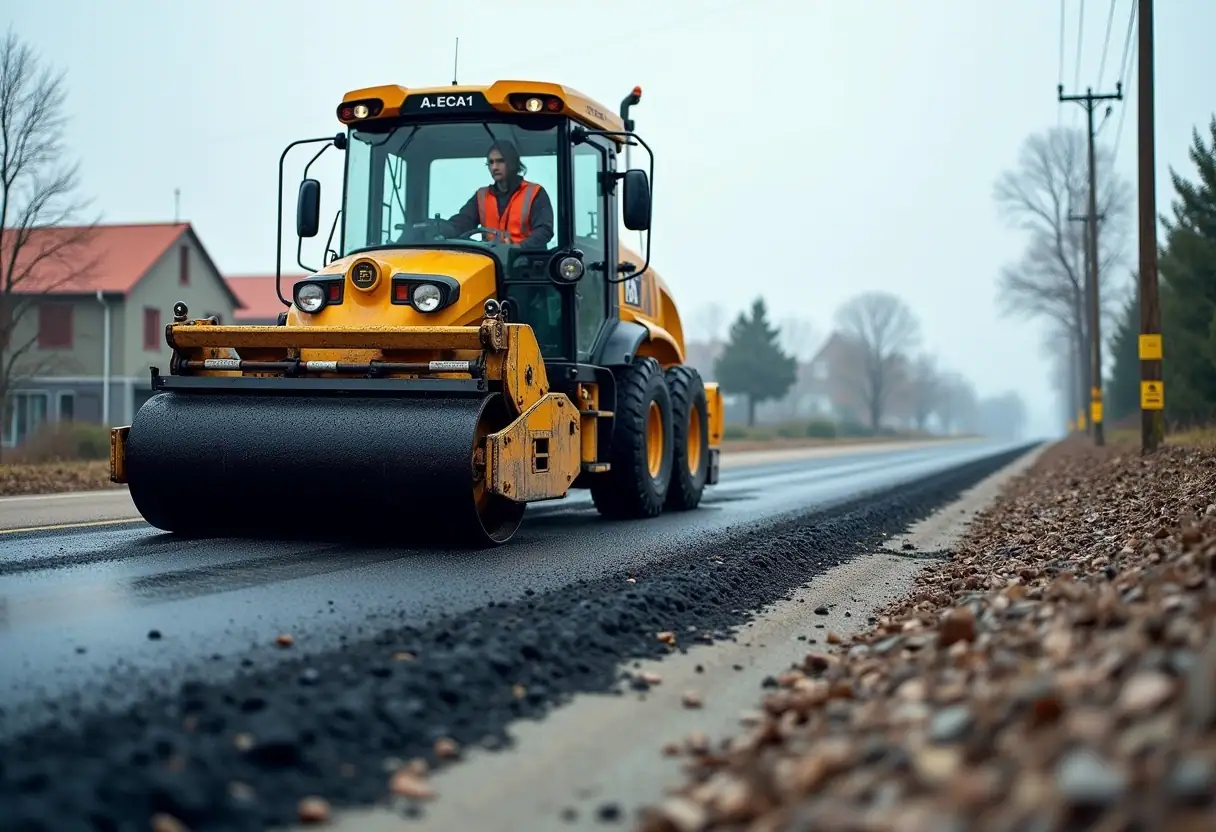
Choosing the Right Road Construction Equipment: A Complete Guide

Motor Graders: Key Elements to Consider for Optimal Selection
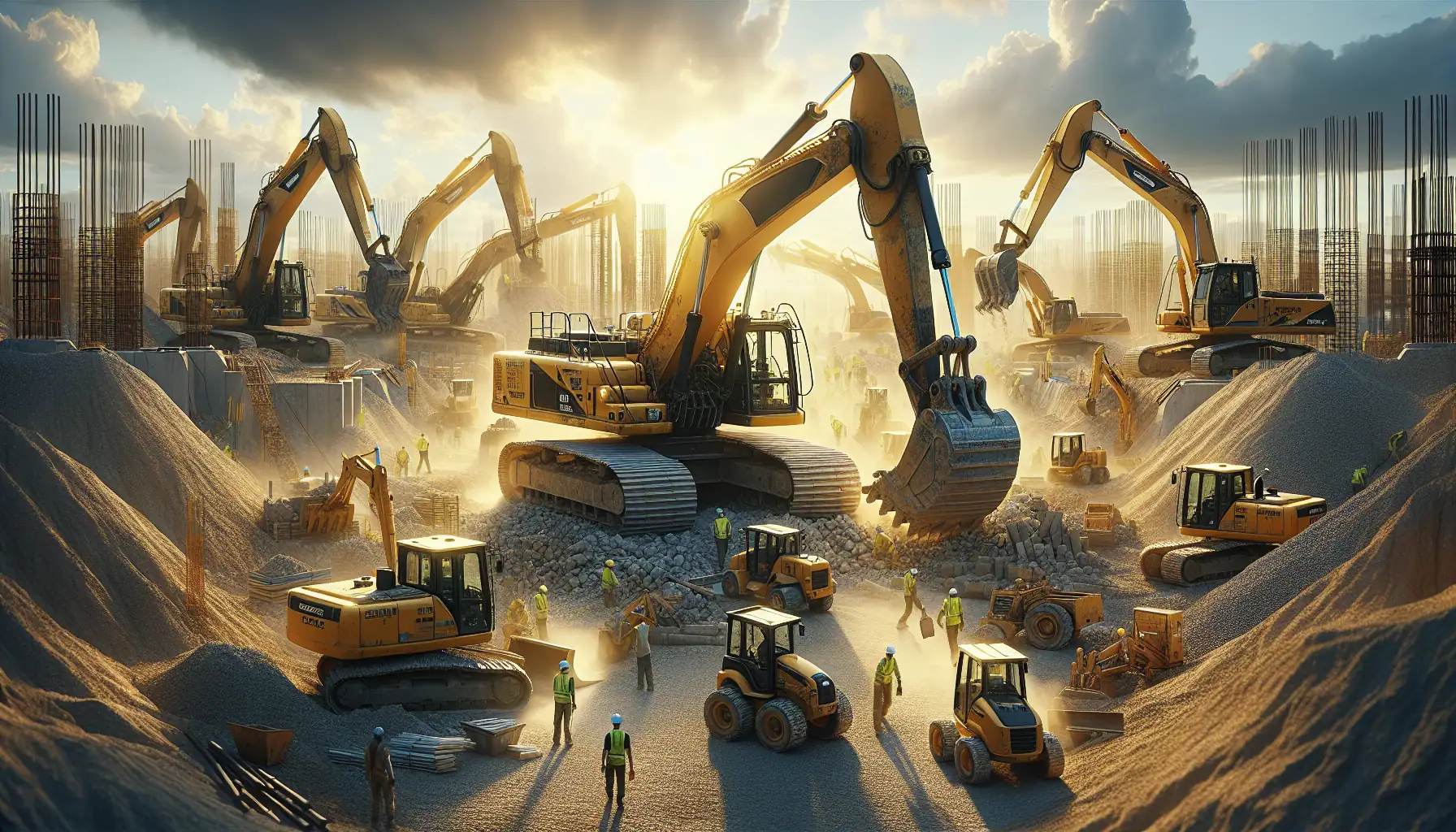
A Detailed Guide to Choosing Excavators for Construction Work
Top Tips for Choosing Cranes for Construction Projects
5 Top-Rated Demolition Machines for Construction Professionals

Expert Tips on Choosing Earthmoving Equipment for Large Projects
Top Functional Criteria for Selecting Heavy Construction Equipment

Construction Machinery: Detailed Guide to Equipment Specifications
Heavy Machinery Prices: Key Factors in Cost and Quality Balance
Best Construction Heavy Equipment Brands: Pros and Cons
Construction Site Equipment: How to Determine Your Requirements
Maximizing Safety: Risk Management for Construction Projects

Innovations in Construction: Transforming Machinery and Equipment
Heavy Equipment Safety: Beyond the Basics in Construction Compliance
The Essential Handbook for Construction Equipment Repair and Maintenance

How to Efficiently Source Oil and Gas Machinery Parts in NYC

Essential Guide to Sourcing Agriculture Equipment Parts
How to Source Mining Machinery Parts: Tips and Strategies