NYC Port Modernization 2026: Heavy Equipment Parts for Hudson River Terminal Upgrades

New York City's waterfront is entering its most transformative era in a generation. With the Port Authority of New York and New Jersey approving a record $45 billion capital plan for 2026–2035, and the New York City Economic Development Corporation launching an ambitious redevelopment of the Manhattan Cruise Terminal on the Hudson River, one thing is certain: the machinery driving this modernization effort must not stop. From aging pier replacements to electrified cargo handling systems, every project depends on reliable, high-quality equipment and replacement parts. For contractors, fleet managers, and maritime operations teams working across the city's busiest waterfront sites, having the right parts supplier isn't a convenience - it's a necessity. That's where MCH Parts NYC comes in - a global industrial parts procurement specialist serving contractors and fleet operators on projects of every scale, including NYC's most demanding waterfront builds.
The Scale of NYC's 2026 Port Expansion and What It Demands from Equipment
The numbers behind NYC port modernization in 2026 are staggering. The Port Authority's approved capital plan commits over $1.2 billion in private investments to modernize and expand container terminal operations alone. Harbor deepening to 55 feet is underway in cooperation with the U.S. Army Corps of Engineers to accommodate larger cargo vessels. Wharves and berths - some over 60 years old - are being restored or replaced along the East River and Hudson waterfront. The Manhattan Cruise Terminal Master Plan calls for the full replacement of 90-year-old piers and facilities, integration of shore power infrastructure, and a transition to a fully electrified port.

Why Equipment Reliability Is a Mission-Critical Factor
On a waterfront construction site, equipment failure is not just an inconvenience - it cascades into missed deadlines, contractual penalties, and safety hazards. Cranes, excavators, dredging rigs, marine forklifts, and pile drivers run around the clock during peak phases of maritime construction. A single hydraulic failure or worn-out undercarriage component can bring a multi-million-dollar project to a halt. This is why project managers across NYC's port expansion sites are sourcing parts from trusted local suppliers who understand the urgency of waterfront work.

The Equipment Types Driving Hudson River Terminal Upgrades
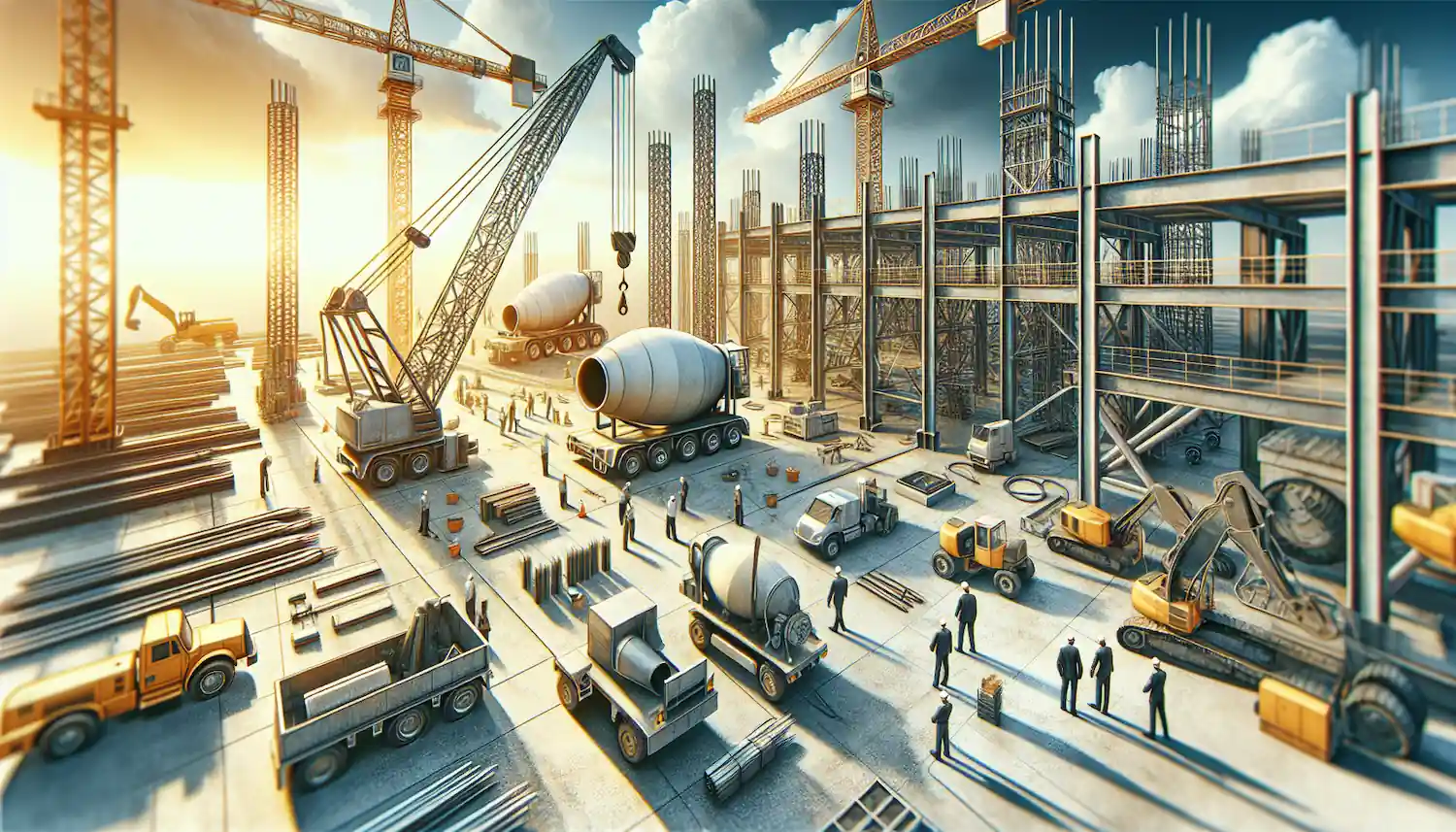
The breadth of NYC port modernization projects in 2026 requires a wide variety of heavy machinery: crawler cranes and lattice boom cranes for pier reconstruction, hydraulic excavators for dredging and earthwork, marine telehandlers and reach stackers for container yard upgrades, generator sets and power distribution equipment for electrified terminal infrastructure, and compaction and paving machinery for terminal surface renovations. Each of these machine types demands a deep inventory of manufacturer-compatible parts - filters, seals, undercarriage components, hydraulic assemblies, and electrical systems.
Hudson River Terminal Projects: A Closer Look at the Waterfront Construction Boom
Manhattan Cruise Terminal Redevelopment
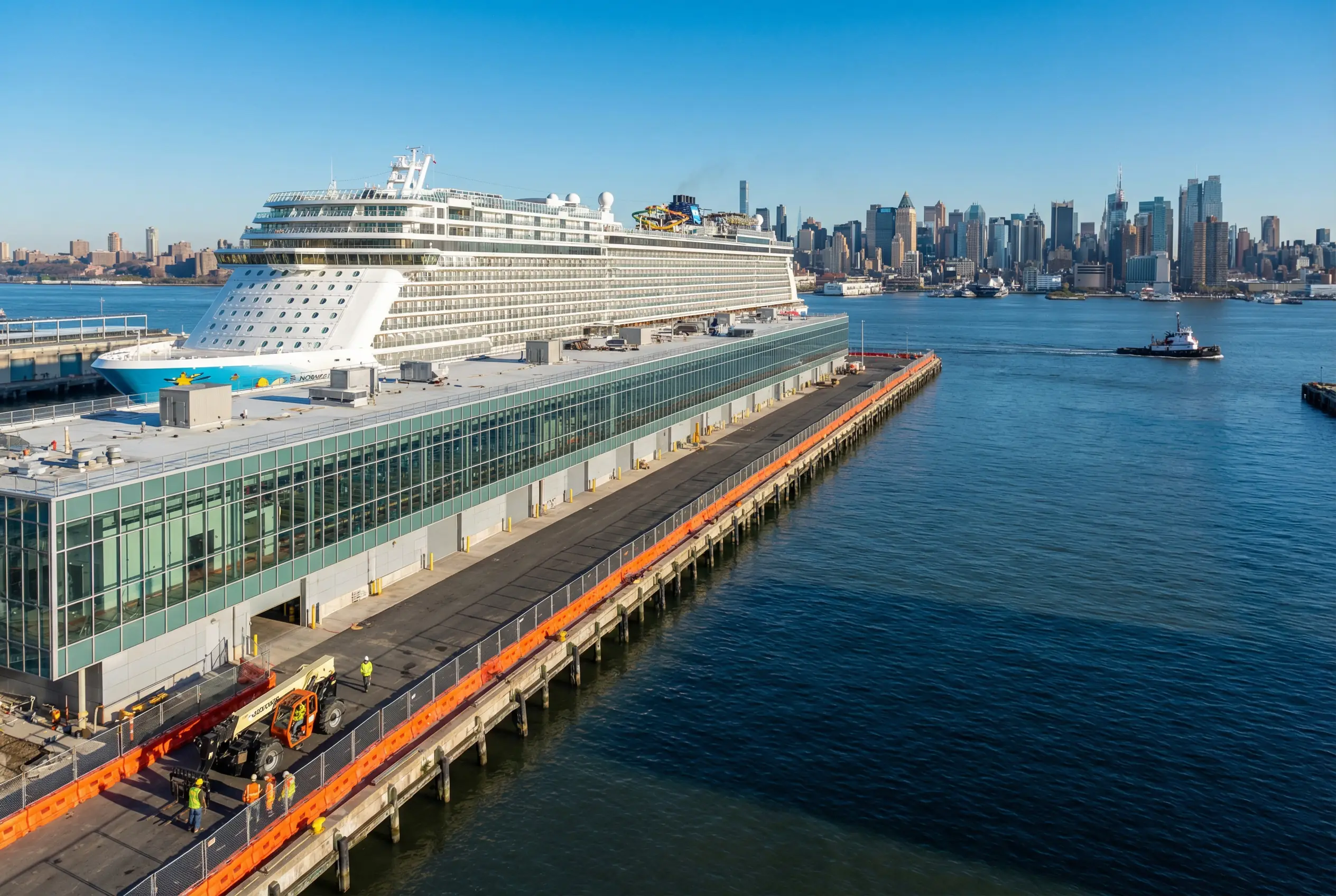
The NYCEDC's Manhattan Cruise Terminal Master Plan is one of the most ambitious waterfront modernization efforts in the city's recent history. The project addresses the full replacement of 90-year-old piers that have long surpassed their service life, introduces fully electrified port infrastructure with shore power systems, integrates solar panels and thermal exchange cooling technology using Hudson River water, and creates a new multimodal hub supporting "Blue Highways" marine freight delivery to reduce truck traffic in Manhattan. For equipment suppliers and parts distributors, this represents years of sustained demand across multiple construction phases, all within a tight urban waterfront environment where logistics and parts availability must be seamless.
Brooklyn Marine Terminal and the Blue Highways Initiative
Across the harbor, the Brooklyn Marine Terminal (BMT) redevelopment - approved with a two-thirds majority by its community task force - will transform BMT into a fully electric modern maritime port and mixed-use community anchor. The Blue Highways program, accelerating rapidly under the city's current administration, also includes a new Hunts Point Marine Terminal and a micro-freight facility at Downtown Skyport. These interconnected waterway freight projects mean that maritime construction activity in 2026 is not concentrated in one location - it is distributed across the entire NYC waterfront, multiplying the demand for quality equipment parts and same-day supplier responsiveness.
Harbor Deepening and Wharf Restoration Along the Port
The U.S. Army Corps of Engineers is actively working with the Port Authority to deepen New York Harbor to 55 feet, enabling safer passage for the next generation of ultra-large container vessels. This dredging effort, combined with the large-scale restoration and replacement of aging wharves and berths, requires specialized marine construction equipment operating in demanding tidal and salt-water environments - conditions that accelerate component wear and make having a reliable parts source non-negotiable.
Sourcing Heavy Equipment Parts for NYC Maritime Construction: What Contractors Need to Know
The Challenge of Parts Procurement in Urban Waterfront Projects
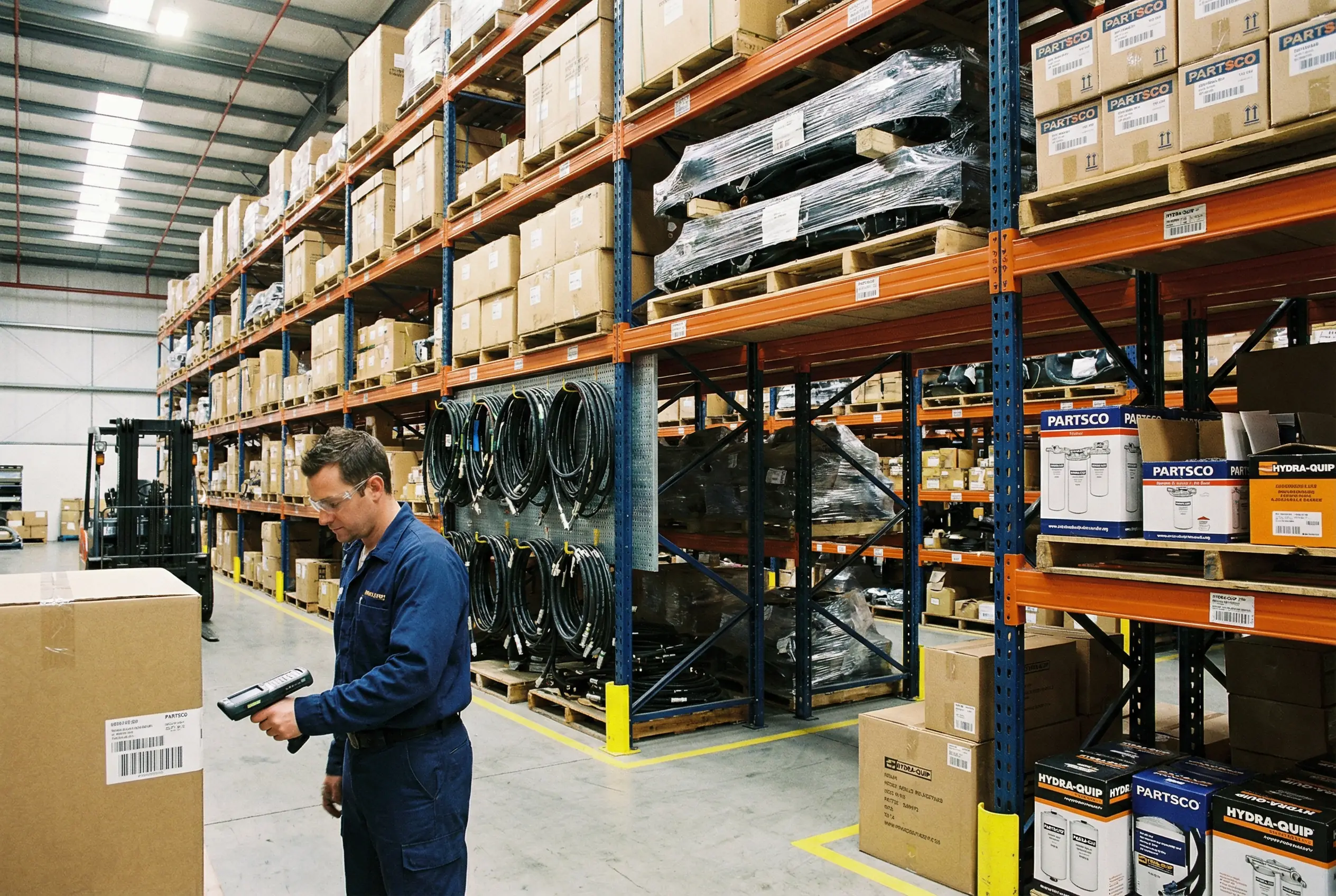
Sourcing heavy equipment parts for NYC port expansion projects presents unique challenges that inland construction sites simply don't face. Space constraints on pier and terminal sites limit the storage of spare parts inventories. Salt air, tidal conditions, and constant heavy-duty use accelerate component degradation at a faster rate than typical land-based construction. Just-in-time parts delivery becomes critical because downtime costs on marine construction projects are typically far higher than on road or building projects. Add to this the complexity of managing multiple equipment brands across a single large project, and procurement teams face a real logistical challenge.
Why Local Parts Suppliers Give NYC Contractors a Competitive Edge
Working with a New York-based heavy equipment parts supplier gives maritime construction contractors a decisive operational advantage. Same-day or next-day availability eliminates the multi-day lead times that come with national distributors. A local or global parts supplier familiar with NYC's active construction landscape - including port modernization, waterfront work, and infrastructure upgrades - tends to carry the specific components most in demand for the region's equipment fleets. MCH Parts NYC is built precisely for this environment, offering contractors worldwide - including those operating across NYC's waterfront - fast, reliable parts procurement with no compromise on quality.
Key Parts Categories for Port and Terminal Construction Equipment
When managing equipment fleets on active waterfront construction sites in 2026, the most frequently needed parts categories include undercarriage components such as track chains, rollers, and sprockets for crawler equipment operating on pier surfaces; hydraulic system components including pumps, cylinders, hoses, and seals exposed to heavy saltwater-adjacent use; filtration systems - engine, hydraulic, and fuel filters - requiring more frequent replacement in marine environments; electrical and ignition components for generator sets and electrified cargo handling equipment increasingly common on NYC's modernizing terminals; and structural and wear parts for bucket, boom, and attachment systems on excavators and cranes performing dredge and foundation work.
Sustainability, Electrification, and the Future of NYC Waterfront Equipment
The Push Toward Electric Cargo Handling Equipment
New container terminal lease requirements under the Port Authority's 2026–2035 Capital Plan specifically aim to drive investment in electric cargo handling equipment as part of a broader transition to sustainable port operations. The Manhattan Cruise Terminal Master Plan doubles down on this commitment with fully electrified port infrastructure. What this means for the equipment parts market is a gradual but accelerating shift: alongside traditional diesel-powered machinery components, there is growing demand for parts compatible with electric and hybrid cargo handlers, shore power systems, EV charging infrastructure components, and battery management systems for electric terminal vehicles.

Resilience and Sustainability in Equipment Maintenance
The Port Authority's capital plan allocates $2.4 billion toward technology, sustainability, and resilience - including building decarbonization and infrastructure hardening against climate events. For waterfront construction and port operations teams, this means that equipment maintenance practices are evolving alongside the infrastructure itself. Choosing parts that extend equipment service life, reduce fluid consumption, and support lower-emission operation is no longer just a preference - it is increasingly a contractual and regulatory expectation. Suppliers like MCH Parts NYC that keep pace with evolving equipment standards position their contractor clients for long-term compliance and operational efficiency.
Preparing Equipment Fleets for the Next Decade of NYC Port Growth
The Port Authority's approved 2026–2035 capital plan is explicit: this is the beginning of a "Decade of Big Ambition" for the region's infrastructure. The waterfront projects underway in 2026 are the first wave of a sustained construction cycle that will continue well into the 2030s. For equipment owners and fleet managers, this means strategic investment in parts relationships now will pay dividends for years ahead. Aligning with a reliable local supplier that understands NYC maritime construction - one that stocks the right inventory, provides fast turnaround, and keeps pace with the industry's evolving equipment mix - is the smart move for any contractor serious about winning and executing the city's biggest waterfront projects.
Conclusion
New York City's 2026 port modernization wave is historic in scale, ambition, and complexity. From the Hudson River piers of the Manhattan Cruise Terminal to the Brooklyn waterfront, from harbor deepening dredging to electrified container terminals, the infrastructure being built today will define how goods and people move through one of the world's great ports for the next 50 years. None of it happens without the equipment that does the heavy lifting - and none of that equipment stays running without fast, reliable access to the right parts.
For contractors and fleet operators embedded in NYC's maritime construction boom, MCH Parts NYC is the local partner built for this moment. With deep inventory, knowledge of the NYC construction market, and the responsiveness that urban waterfront projects demand, MCH Parts NYC helps keep your equipment - and your project - moving forward. Don't let a missing part be the reason your build falls behind on the most important infrastructure investment New York has seen in a generation.
Frequently Asked Questions
Q1: What types of heavy equipment are most commonly used in NYC port modernization projects in 2026?
NYC waterfront construction projects rely heavily on crawler cranes, hydraulic excavators, marine forklifts, reach stackers, pile drivers, dredging rigs, and generator sets. Each of these machine types requires regular parts maintenance - especially in the demanding saltwater-adjacent environments common to Hudson River and harbor terminal sites. Suppliers with deep inventory across multiple equipment brands are essential partners for contractors managing mixed equipment fleets on large port expansion projects.
Q2: Why is having a local NYC parts supplier important for maritime construction projects?
Urban waterfront construction sites operate under tight space, time, and logistics constraints that make long supply chains impractical. When a crane or excavator goes down on an active pier, waiting several days for parts from a national distributor can cost tens of thousands of dollars in project delays. A local New York-based supplier like MCH Parts NYC can provide same-day or next-day parts access, dramatically reducing downtime and keeping projects on schedule.
Q3: How is the shift toward electrified port equipment affecting demand for heavy equipment parts?
The Port Authority's 2026–2035 Capital Plan and the Manhattan Cruise Terminal Master Plan both mandate a transition toward electric cargo handling equipment and electrified port infrastructure. This is gradually expanding the range of parts in demand to include components for electric and hybrid terminal vehicles, shore power systems, and EV charging infrastructure. Forward-thinking parts suppliers are already expanding their inventory to support both traditional diesel equipment and the next generation of electric port machinery.
Q4: What are the biggest equipment maintenance challenges on NYC Hudson River waterfront construction sites?
Salt air and tidal exposure accelerate corrosion and wear on undercarriage components, hydraulic seals, and filtration systems far faster than on inland job sites. Limited on-site storage space makes it impractical to stockpile large spare parts inventories on pier and terminal locations. And the high daily utilization rates common to port construction projects mean that components reach replacement intervals faster than in standard applications. Working with a knowledgeable local supplier who understands these conditions - and stocks accordingly - is the most effective way to manage maintenance costs and equipment uptime on NYC waterfront projects.
Read More

Engine Air Filter vs. Cabin Filter 2026: EPA Guide

Radiator and Cooling System Parts: NYC Summer 2026
Bucket Teeth Selection 2026: Right Teeth for NYC Soil

Construction Equipment Filters 2026: Complete Replacement Schedule Updated
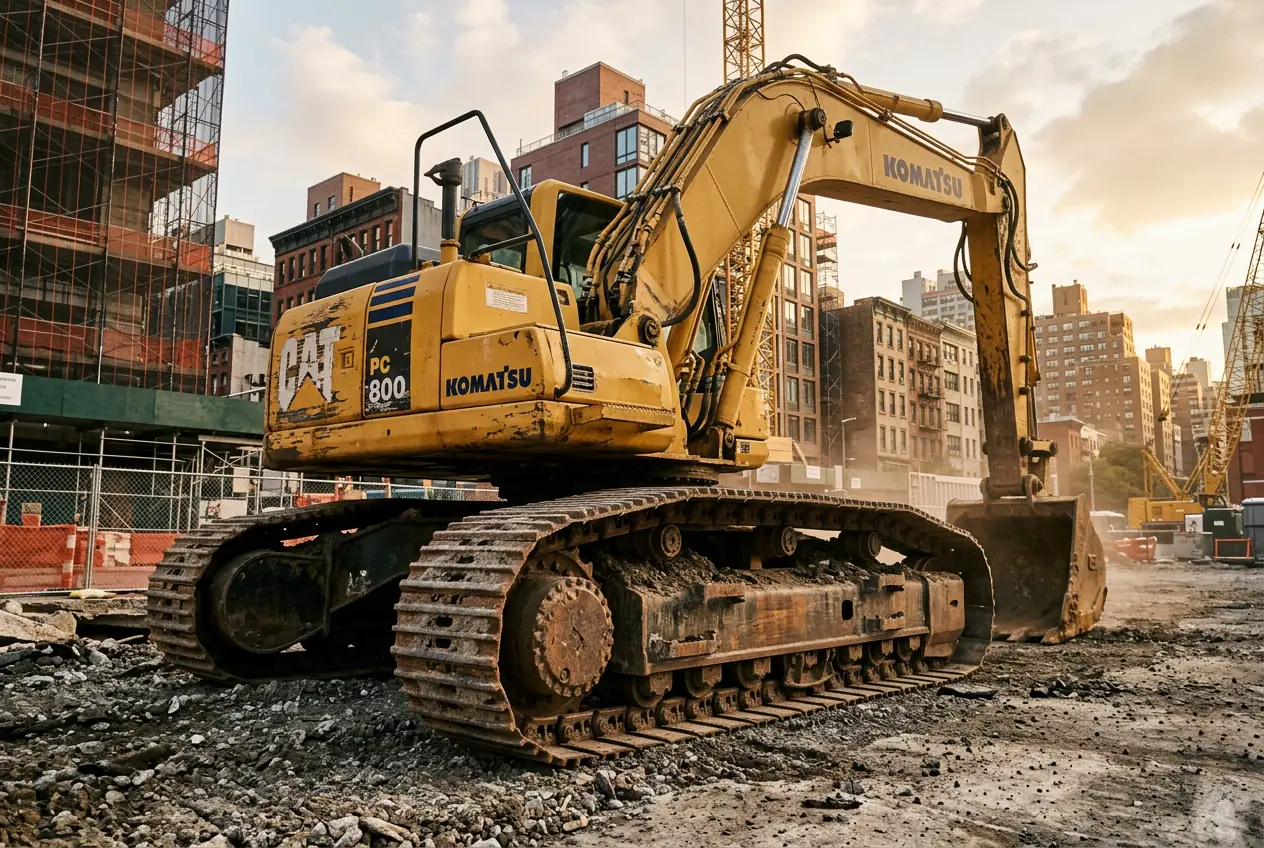
Track Replacement Guide 2026: How Long Do Undercarriage Parts Really Last?
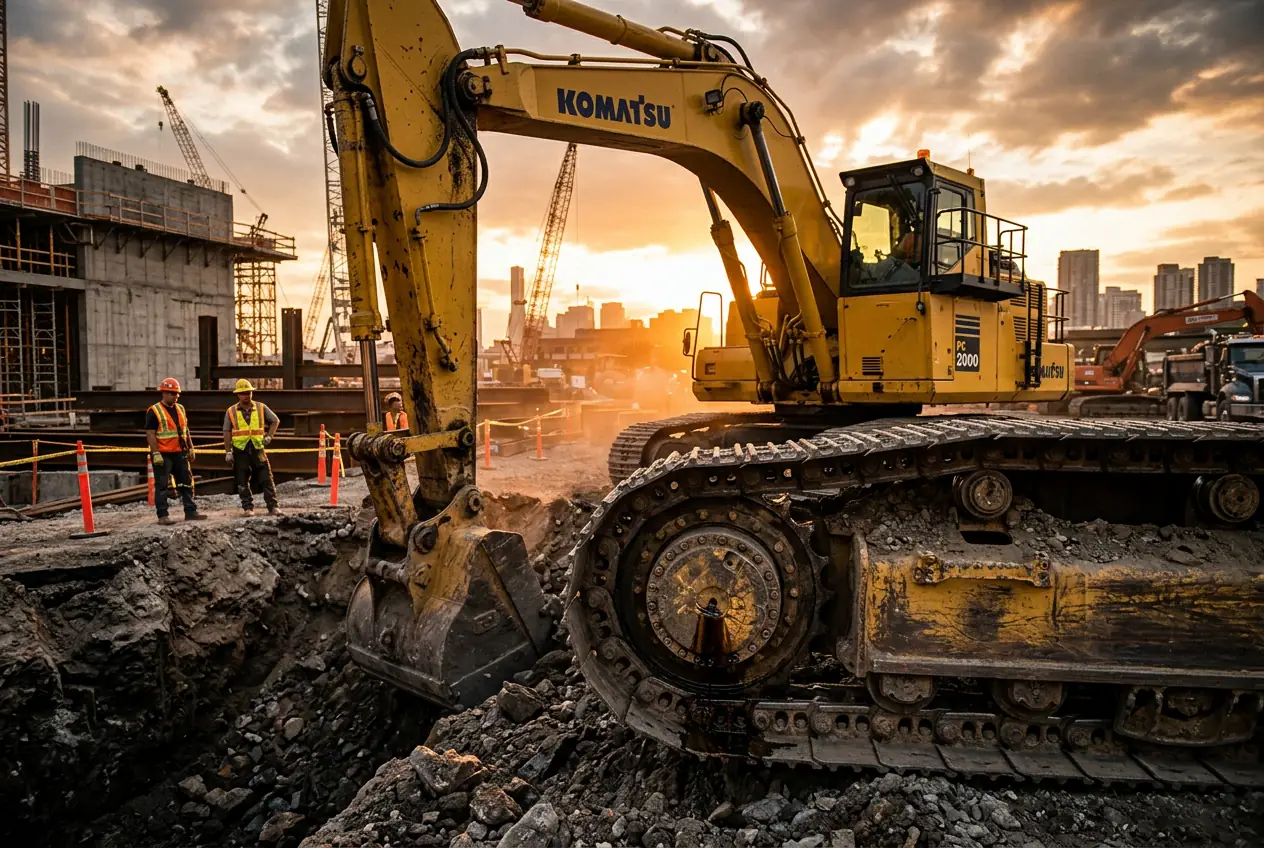
Final Drive Troubleshooting 2026: 7 Warning Signs Before Complete Failure
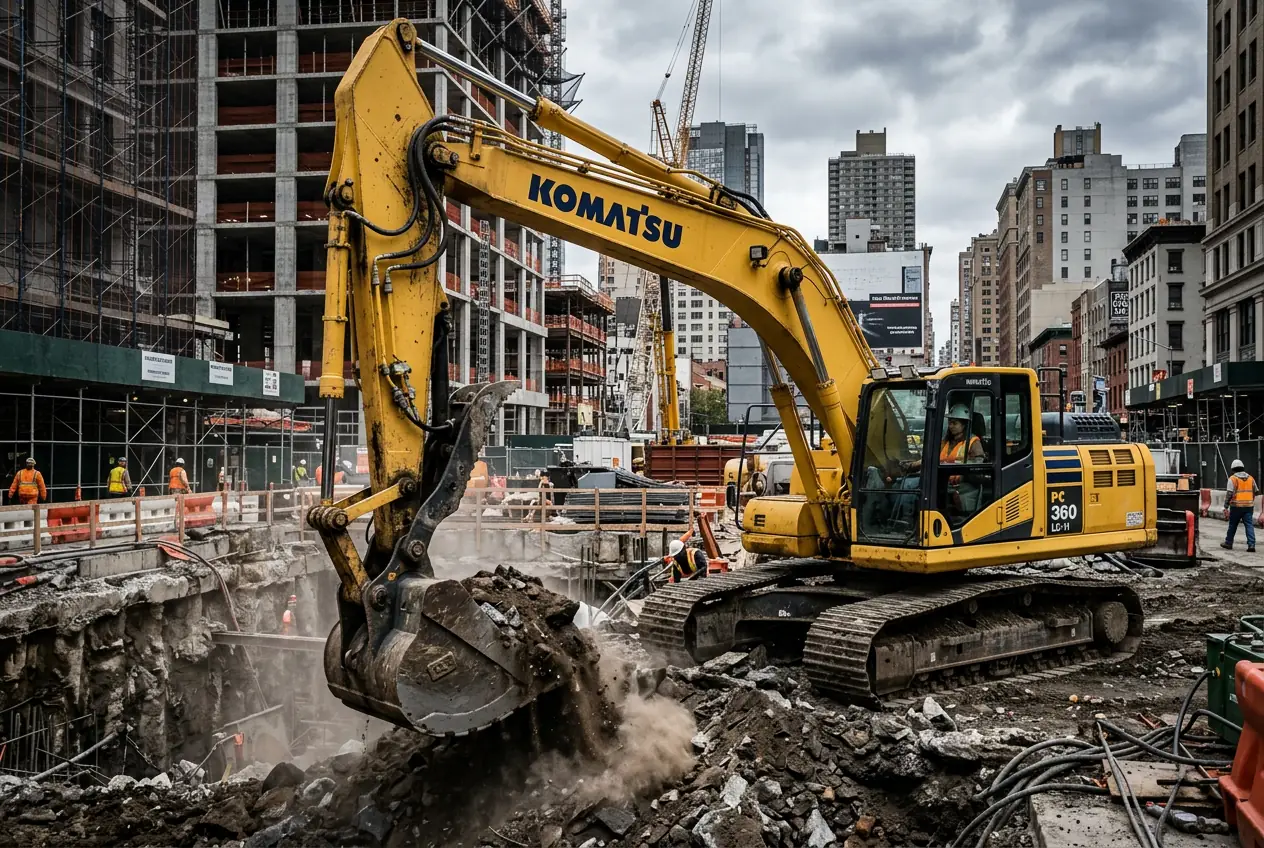
Excavator Hydraulic Pump Replacement 2026: OEM vs Aftermarket Complete Guide

Weekend Equipment Breakdown: NYC After-Hours Parts Sourcing Guide 2026

Equipment Down in 2026? Get These 15 Critical Parts in NYC Within 2 Hours
NYC Port Modernization 2026: Heavy Equipment Parts for Hudson River Terminal Upgrades
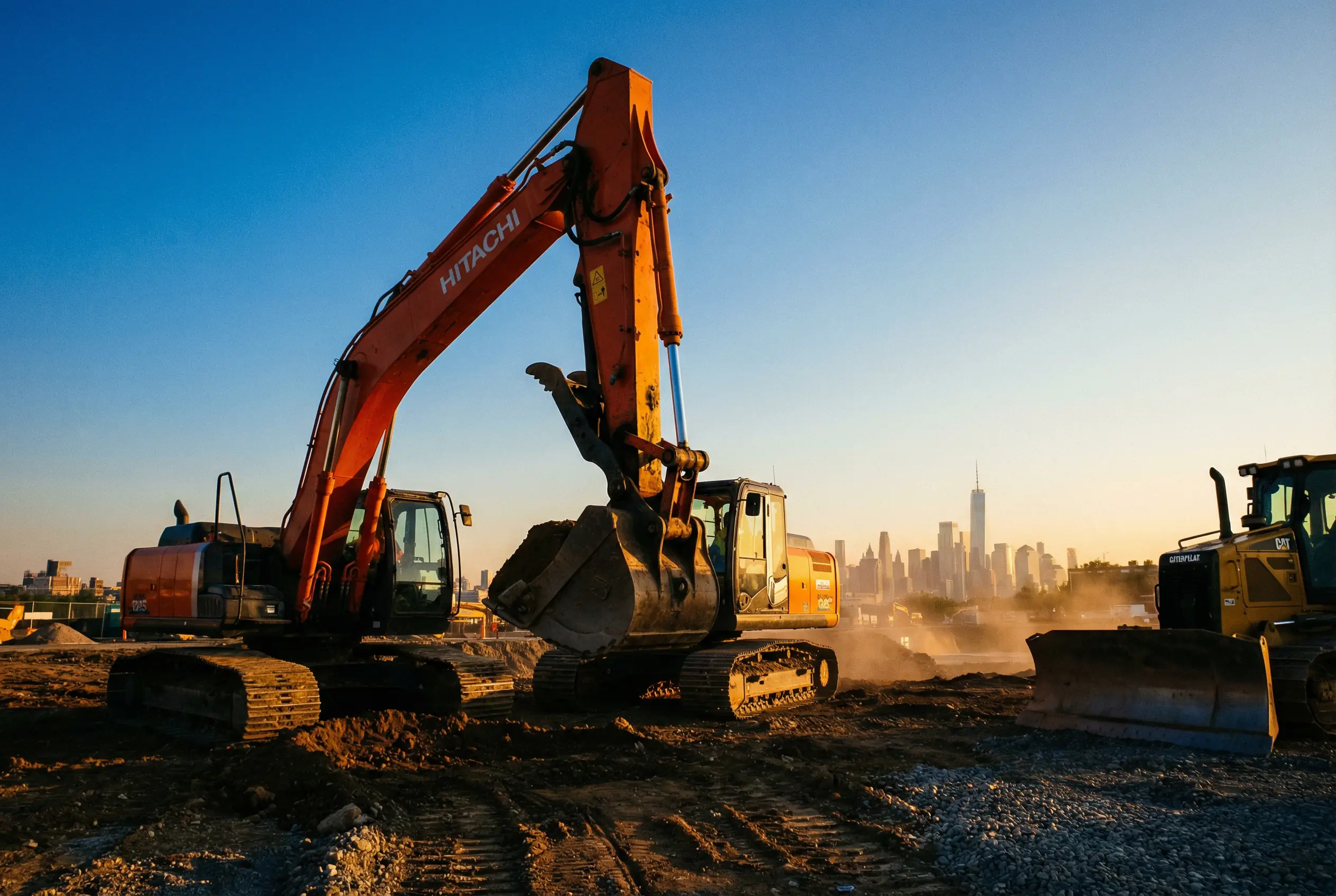
Queens Is Being Built Right Now - Is Your Equipment Ready?

NYC High-Rise Construction Boom 2026: Parts for Record Number of Tower Projects
Brooklyn Navy Yard Construction: Specialized Parts for Historic Site Work
NYC DOB Construction Equipment Requirements 2026: Updated Parts & Modifications
Equipment Down in 2026? Get These 15 Critical Parts in NYC Within 2 Hours
NYC Winter 2026 Construction: Critical Parts That Fail Below 20°F : Prevention Guide
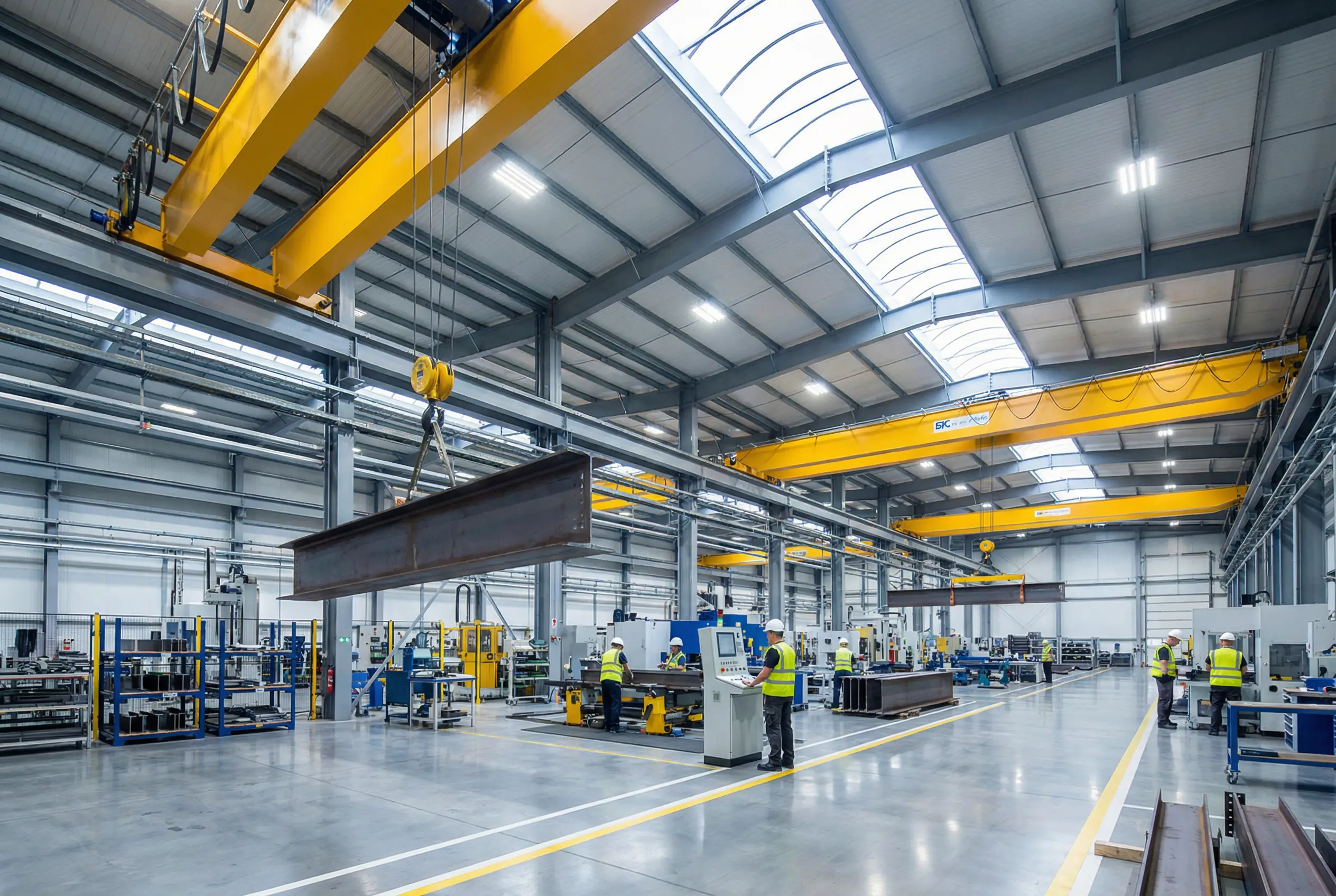
Prevent Crane Downtime with a Proactive Parts Roadmap
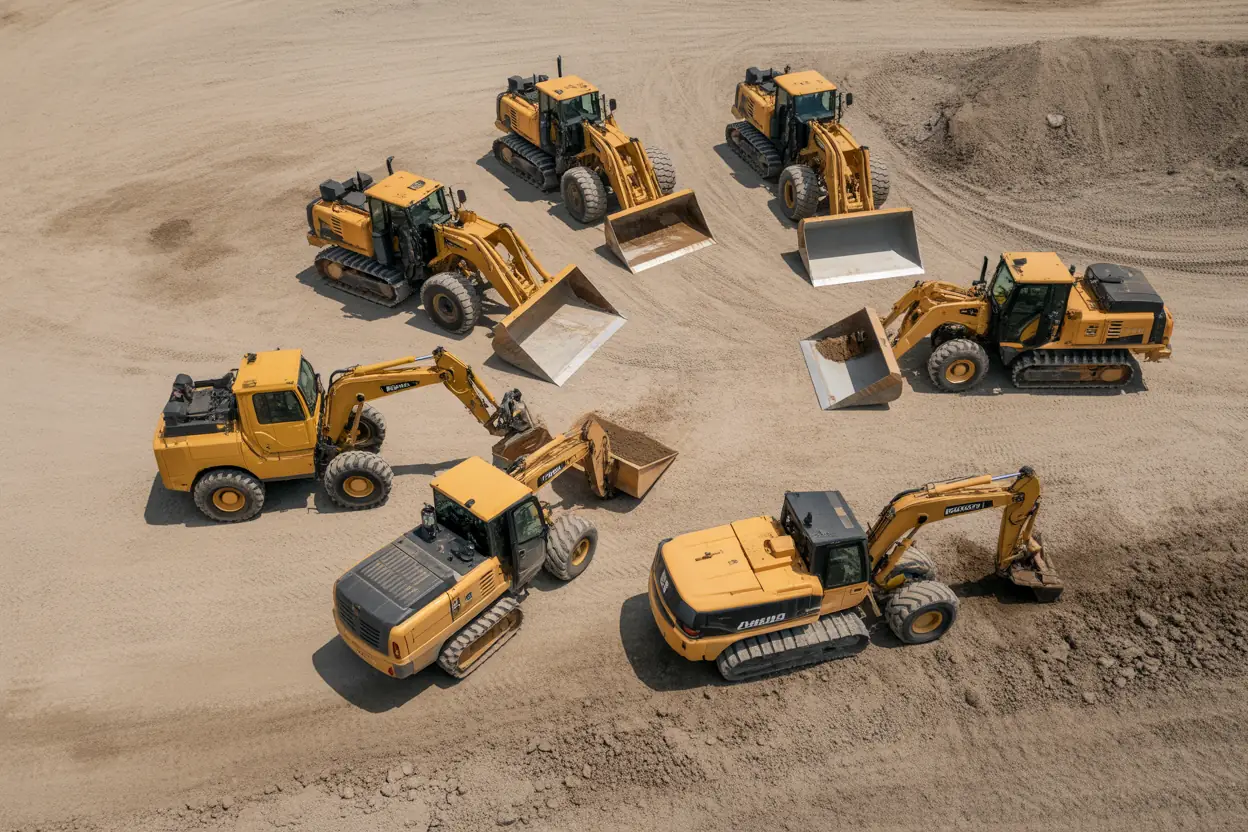
How to Prevent Downtime in Multi-Brand Earthmoving Fleets

How to Source OEM Undercarriage Parts Without Project Delays
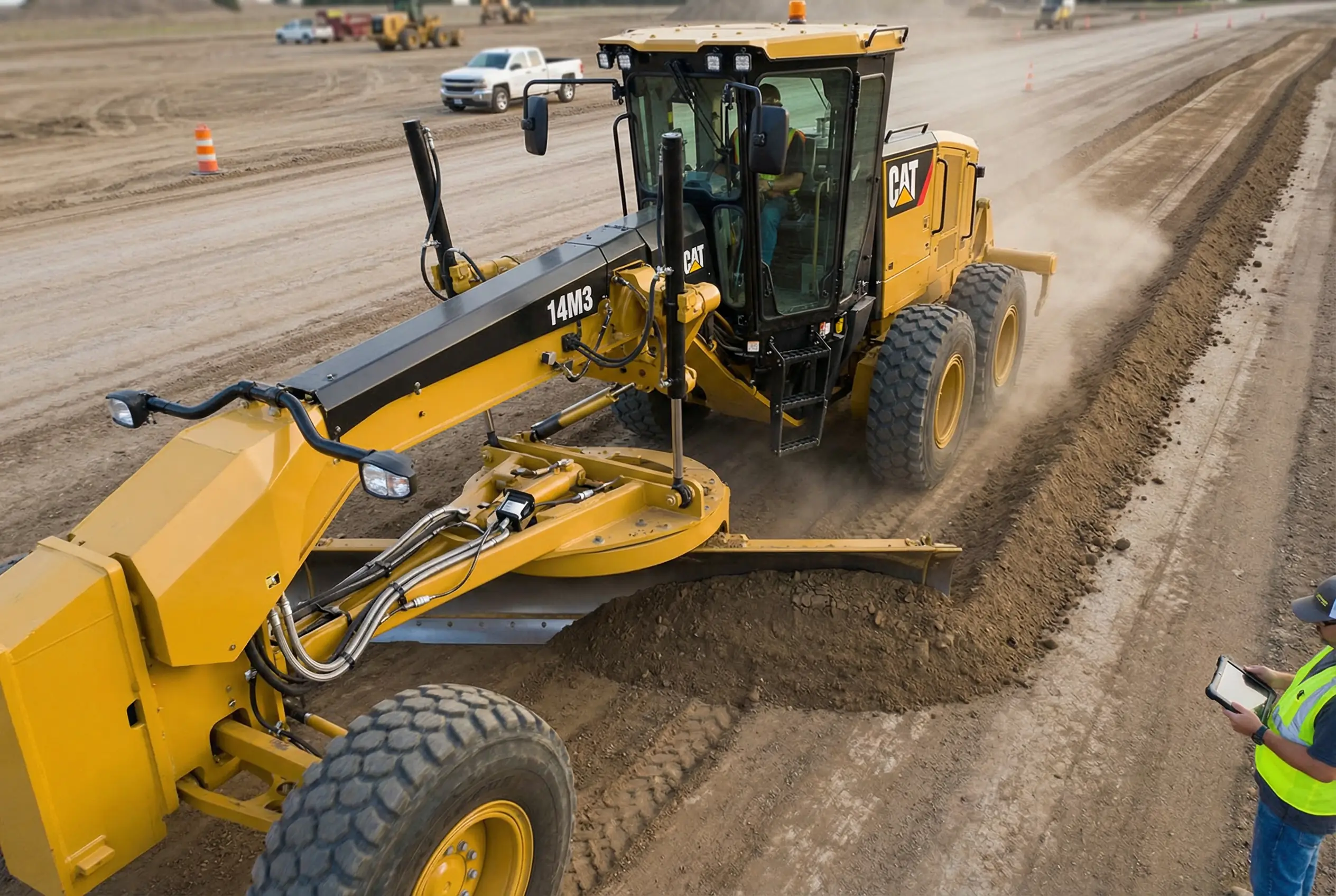
Motor Grader Predictive Diagnostics: Prevent Hydraulic Failures & Reduce Downtime

Pesticide Sprayer Calibration: Essential Safety Compliance Guide & Protection

Seeder Bearing Parts Sourcing Guide: Critical Components & Strategy

Downtime Prevention Through Smart Inventory for Grain Dryers

Combine Harvester Breakdown Prevention Guide: Predictive Analytics for Zero Downtime

Master Global Agricultural Parts Delivery | Mid-Season MRO Guide

Fixing Haul Truck Downtime Issues: Remote Parts Strategy Guide 2025
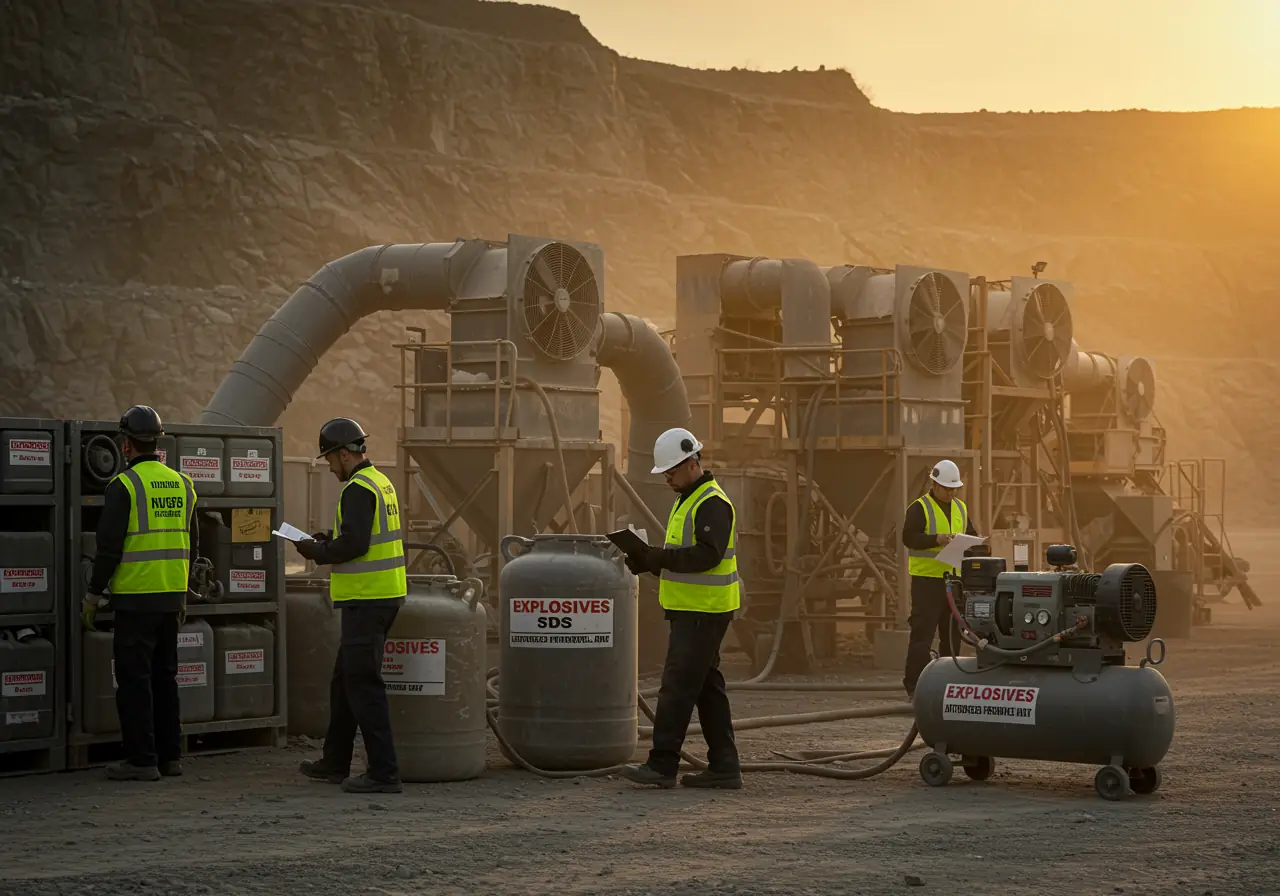
Blasting Equipment Safety Compliance: Must-Know Audit Requirements for 2025
The Step-by-Step Guide to Global Drill Rig Consumables Sourcing
Mining Conveyor Maintenance Guide: Detecting Hidden Risks in Underground Systems
Best Practices for Certified Pipeline Valve Selection: From Specs to Installation
Optimizing Oil Rig PPE Delivery: Proven Strategies That Saved $2M Annually
FPSO Smart Parts Planning: Proven Methods to Cut Downtime
How FPSO Inspection Prevents Million-Dollar Shutdown Losses

Fix It Before It Breaks: A Farmer's Guide to Combine and Harvester Maintenance

Why Fast Tractor Parts Delivery is Changing Modern Farming [2025 Guide]

The Critical Farm Equipment Replacement Parts You Need Before Harvest 2025
.webp)
How to Double Your Farm Efficiency: Expert Guide to Smart Scaling
Cut Costs by 30%: Pre-Season Spare Parts Audit Checklist

Proven Success Factors for Agricultural Equipment Manufacturers in 2025

13 Overlooked Farm Spare Parts That Halt Operations — Pt. 2

13 Overlooked Farm Spare Parts That Halt Operations — Pt. 1

Top Hydraulic Components for Agricultural Equipment in 2025: Complete Guide
The Essential Farm Equipment Parts You Can't Afford to Run Out Of

How to Service Farm Equipment: A Farmer's Guide to Zero Harvest Downtime
Construction Machinery Parts Suppliers: Expert Selection Guide
How to Apply Machine Safety Rules: From Selection to Installation

Smart Diagnostics Cut Heavy Equipment Failures by 73%

5 Ways to Assess the Environmental Impact of Heavy Construction Machinery
10 Smart Ways to Pick Construction Machinery for 2025 Projects
Rent vs Purchase Equipment: What Heavy Industry Experts Hide

How to Implement a Construction Inventory Management System for Equipment Efficiency
How to Extend Equipment Life Expectancy with Regular Maintenance
Advanced Heavy Equipment Diagnostic Tools: Ensuring Construction Machinery Quality
Essential Features Your Construction Equipment Inventory System Needs
29 Quick Tips for Choosing Construction Equipment for Remote Locations

How to Select Construction Machinery with Optimal Equipment Maintenance in Mind
Top 25 Tips for Selecting Bulldozers for Construction Sites
Which Construction Loader is Best for Your Project Needs?

4 Key Steps to Form a Construction Machinery QC Team

15 Essential Tips for Selecting the Perfect Crane for Construction
Maximize Savings: Multi-Purpose Construction Machinery for Lower Costs
Affordable Heavy Equipment Parts: A Sourcing Guide
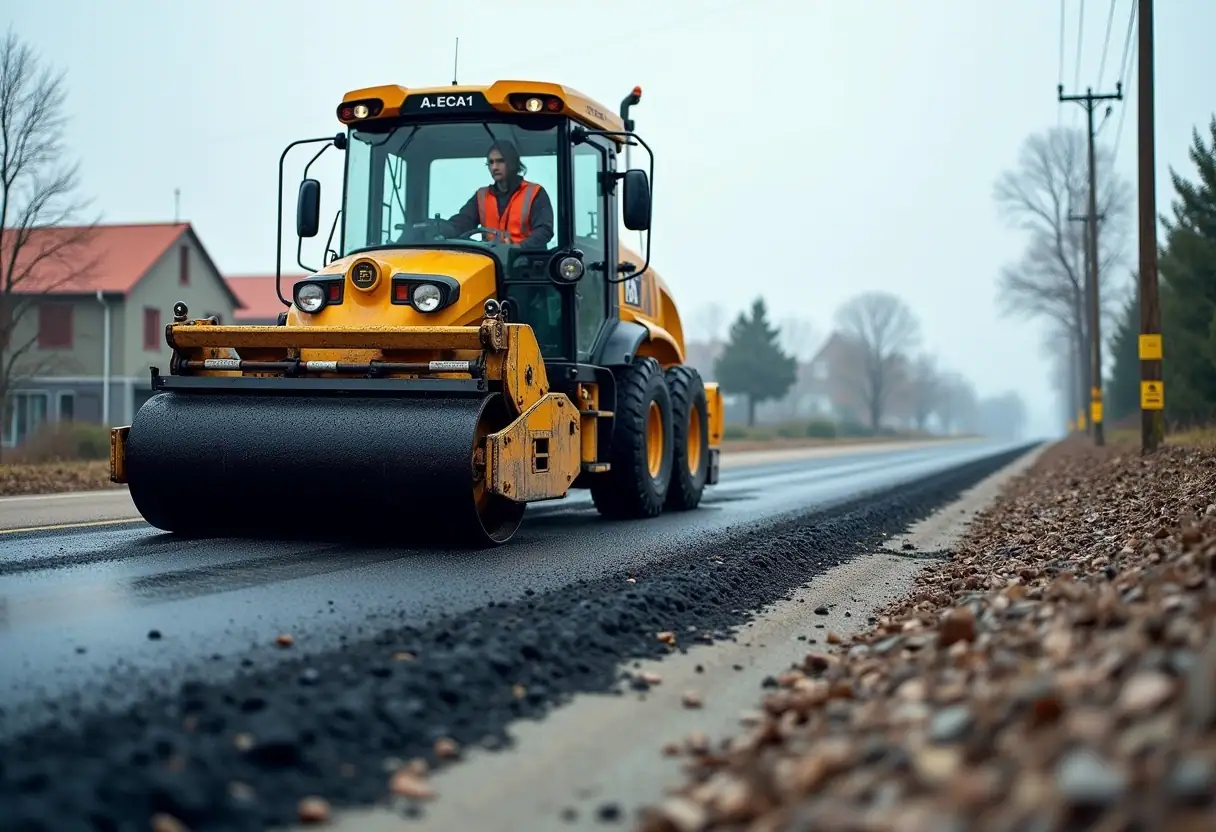
Choosing the Right Road Construction Equipment: A Complete Guide

Motor Graders: Key Elements to Consider for Optimal Selection
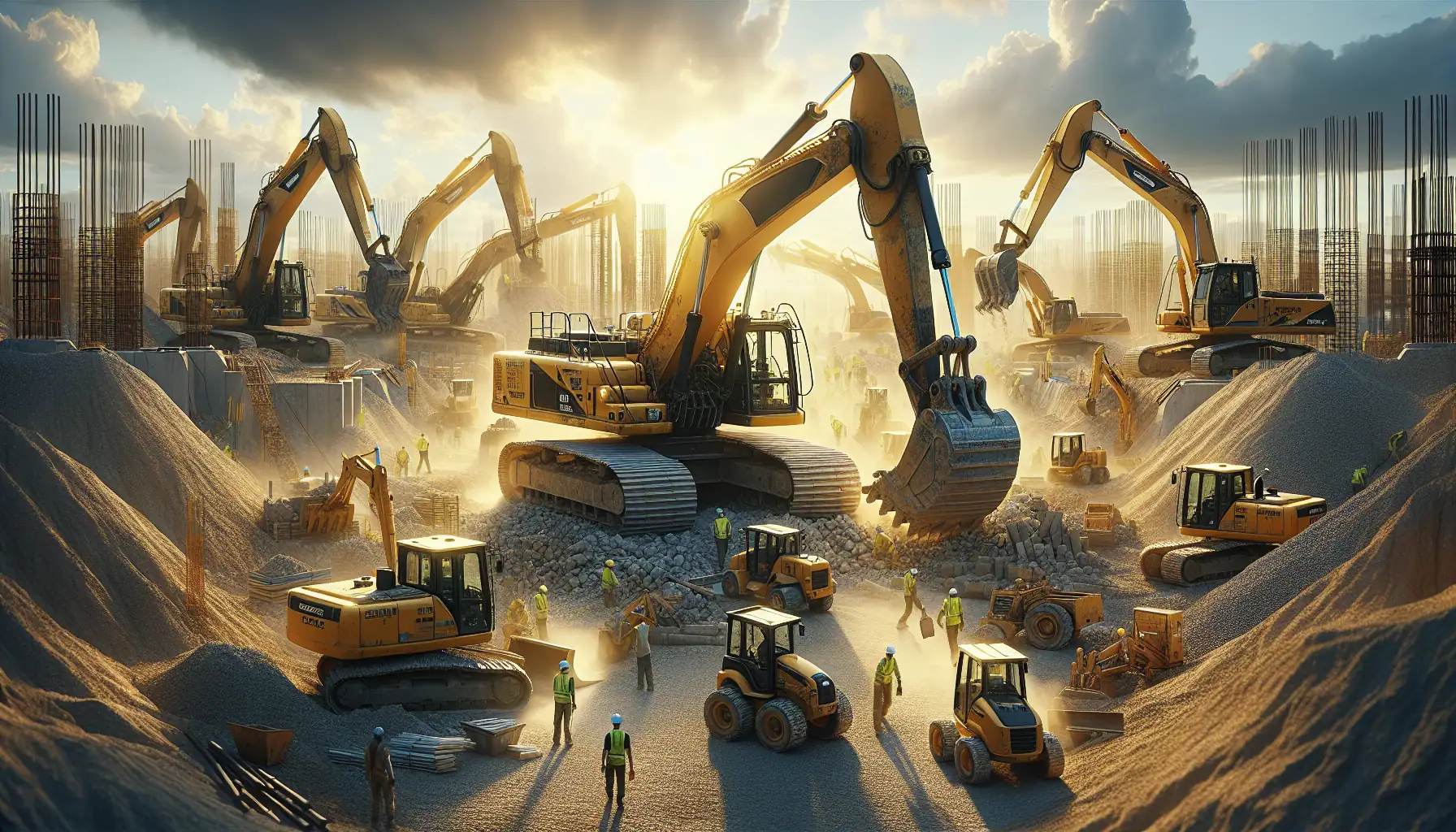
A Detailed Guide to Choosing Excavators for Construction Work
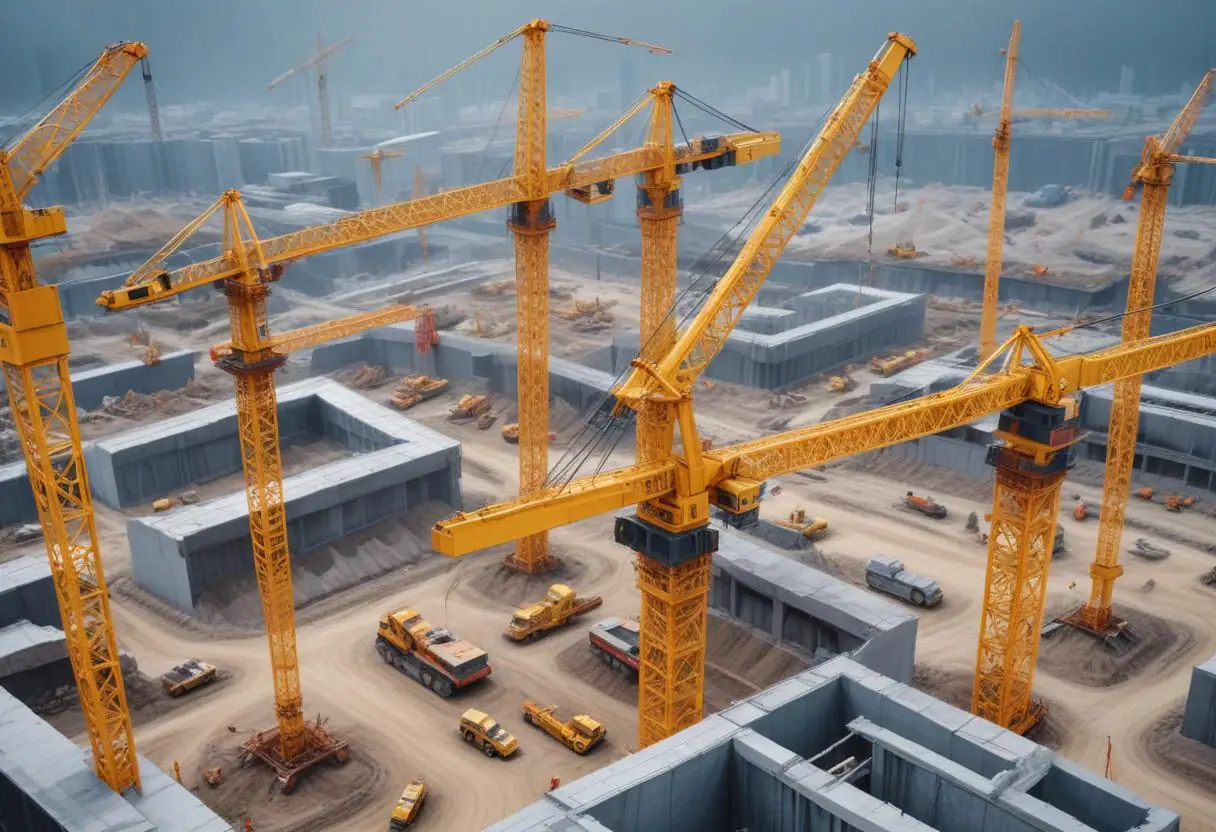
Top Tips for Choosing Cranes for Construction Projects
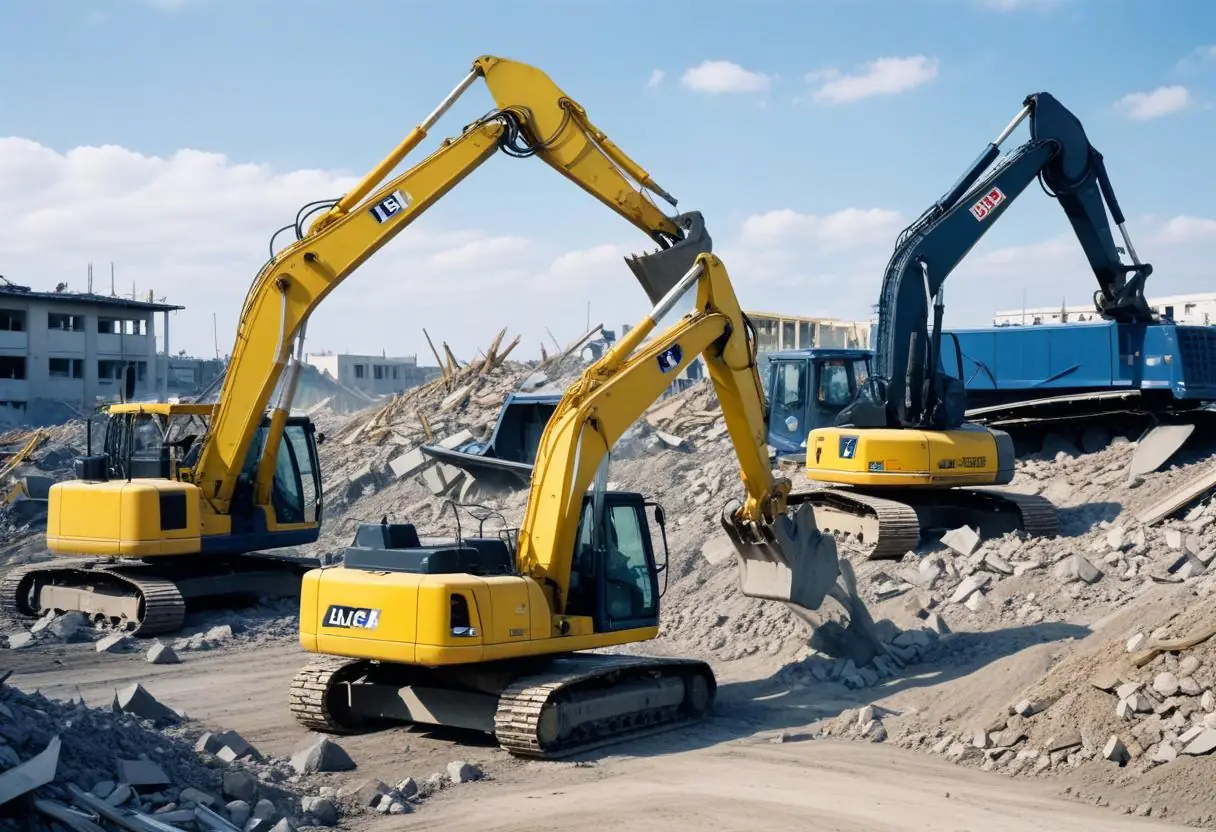
5 Top-Rated Demolition Machines for Construction Professionals

Expert Tips on Choosing Earthmoving Equipment for Large Projects
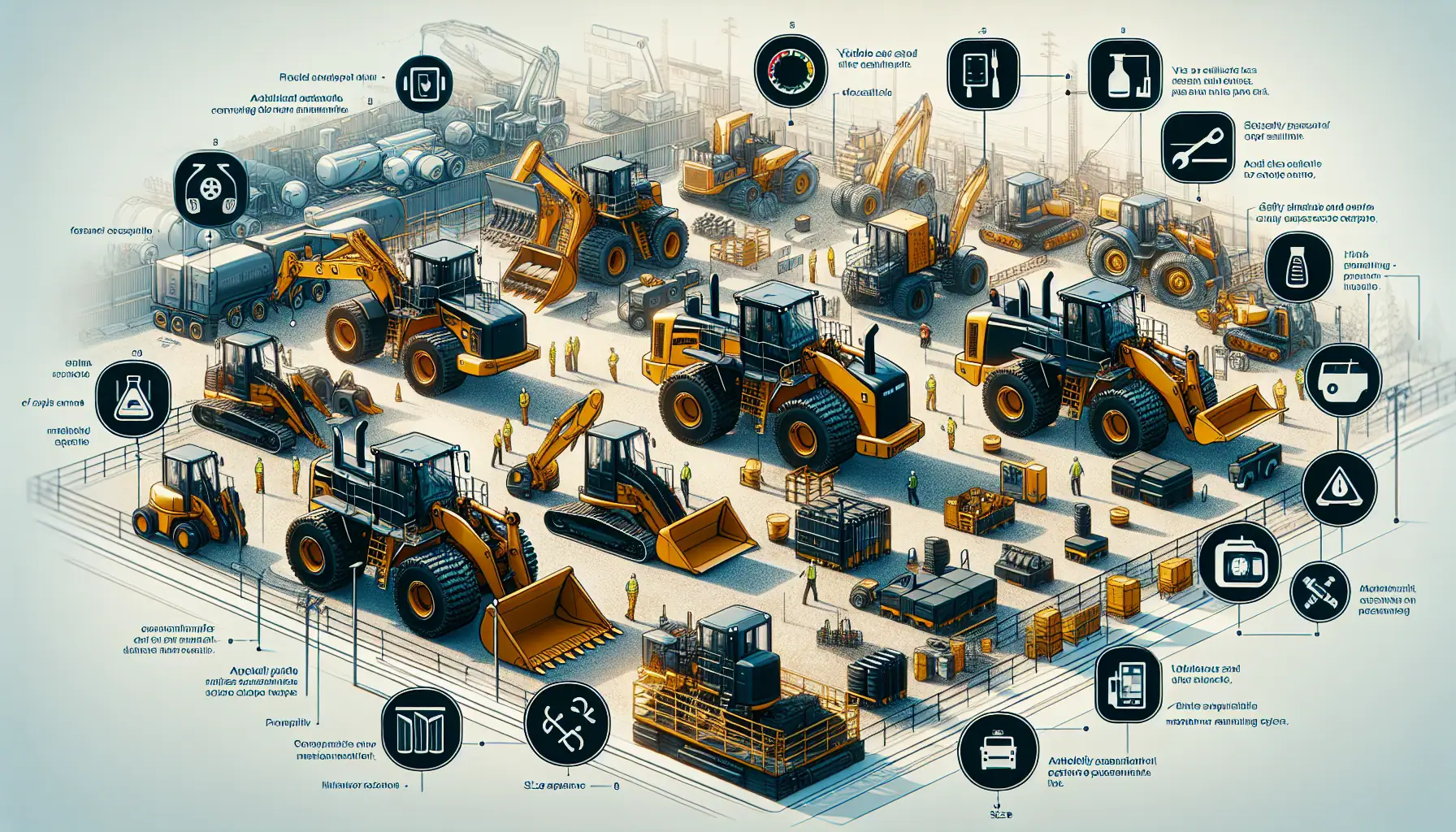
Top Functional Criteria for Selecting Heavy Construction Equipment

Construction Machinery: Detailed Guide to Equipment Specifications
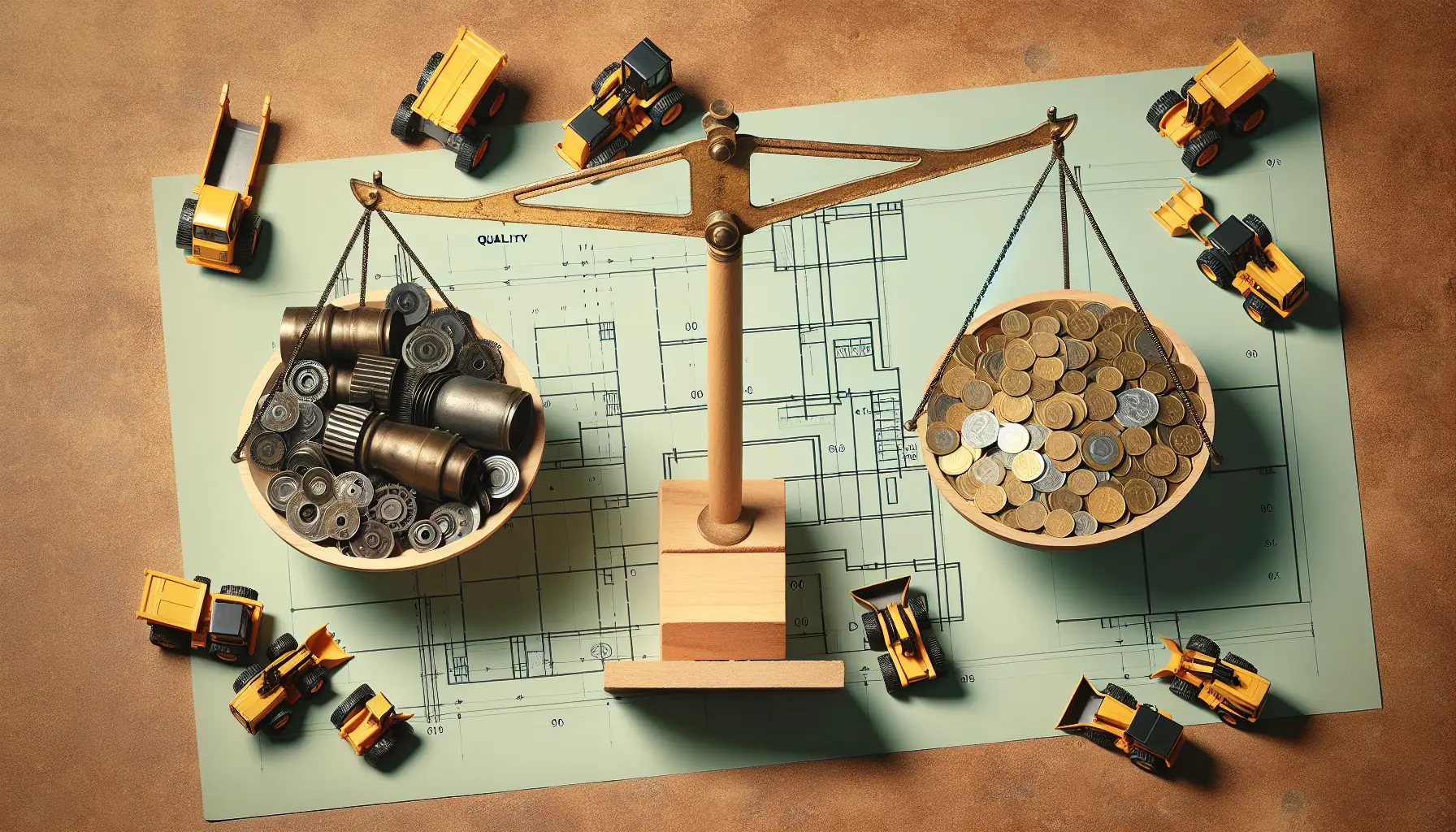
Heavy Machinery Prices: Key Factors in Cost and Quality Balance
Best Construction Heavy Equipment Brands: Pros and Cons
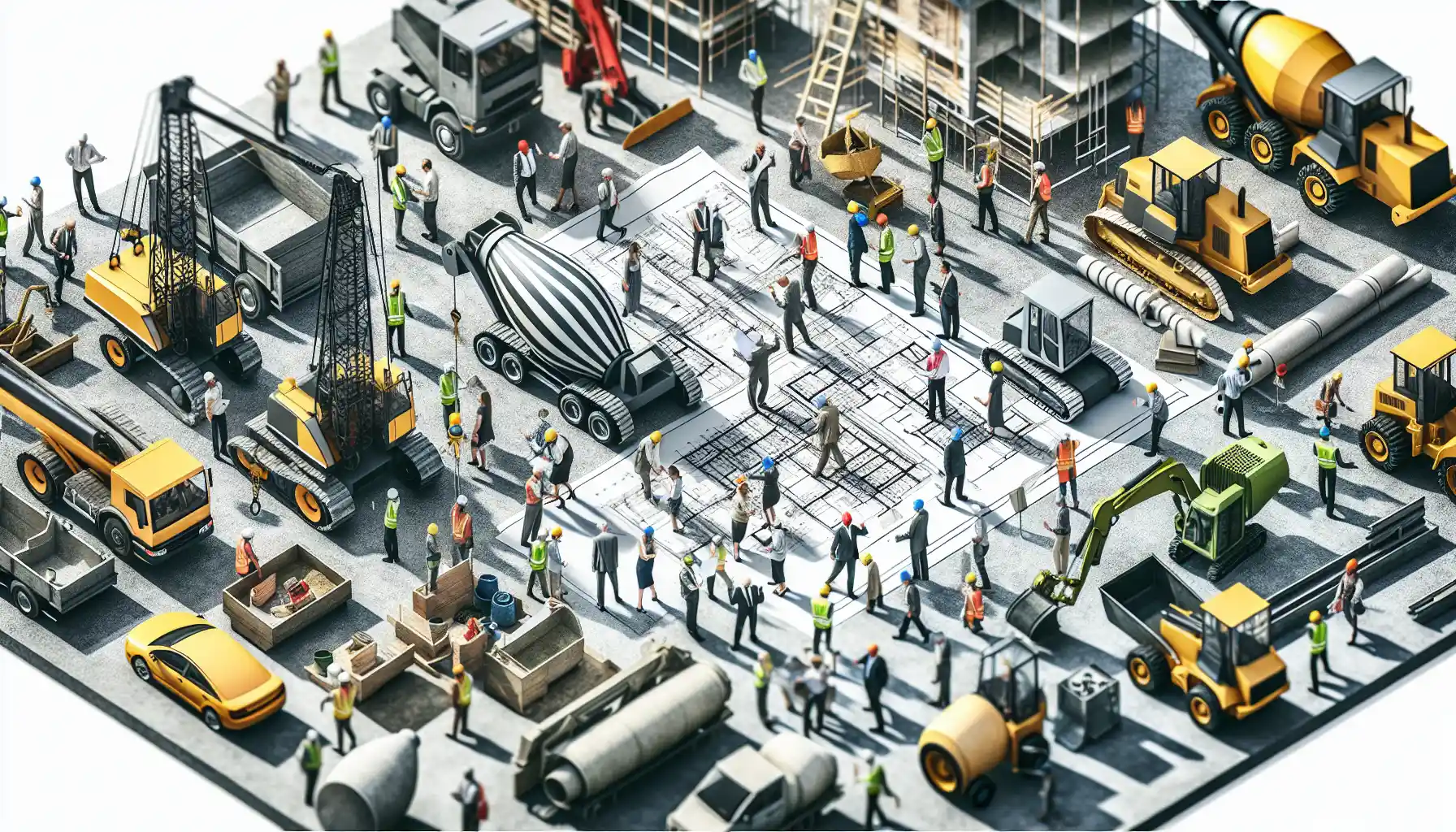
Construction Site Equipment: How to Determine Your Requirements
Maximizing Safety: Risk Management for Construction Projects

Innovations in Construction: Transforming Machinery and Equipment
Heavy Equipment Safety: Beyond the Basics in Construction Compliance
The Essential Handbook for Construction Equipment Repair and Maintenance

How to Efficiently Source Oil and Gas Machinery Parts in NYC

Essential Guide to Sourcing Agriculture Equipment Parts
How to Source Mining Machinery Parts: Tips and Strategies