Track Replacement Guide 2026: How Long Do Undercarriage Parts Really Last?
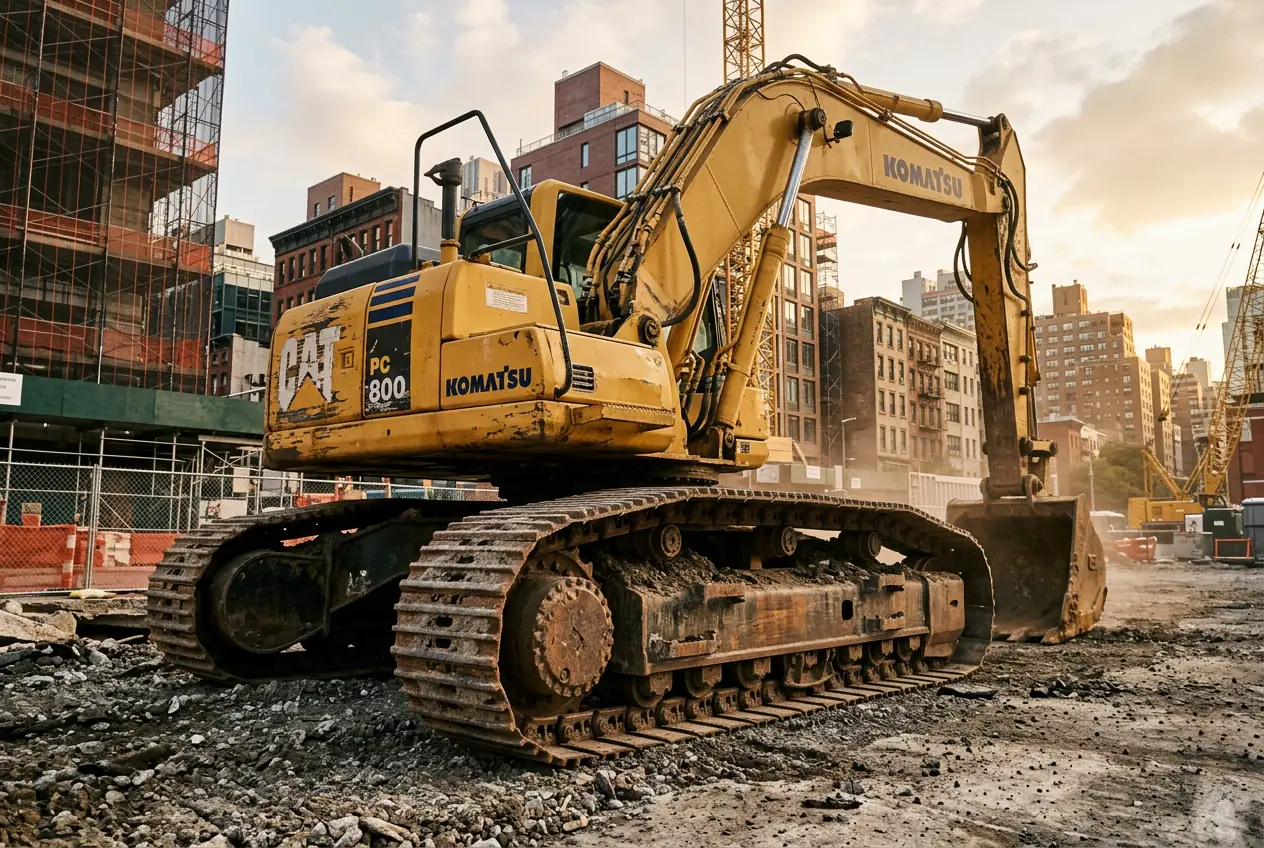
Your undercarriage is the most expensive wear system on any tracked machine - and it's the one most crews ignore until it fails on a live job site. In 2026, that mistake costs more than ever. Between tightened project timelines, labor shortages, and the rising cost of emergency sourcing, a single undercarriage failure can blow a week of production and push your crew into costly overtime.
The good news: newer undercarriage materials introduced in the last two model years have meaningfully extended component life - but only when operators and site managers know what to watch for. This guide gives you updated wear thresholds, replacement timelines, and practical inspection protocols so you can make smarter decisions before a breakdown makes them for you.
If you need undercarriage components now - tracks, rollers, idlers, or sprockets - MCH Parts has same-day availability across the NYC metro area. Call us before you schedule your next maintenance window and we'll have everything staged and ready.
Understanding Undercarriage Wear in 2026: What's Changed
New Materials Are Extending Component Life
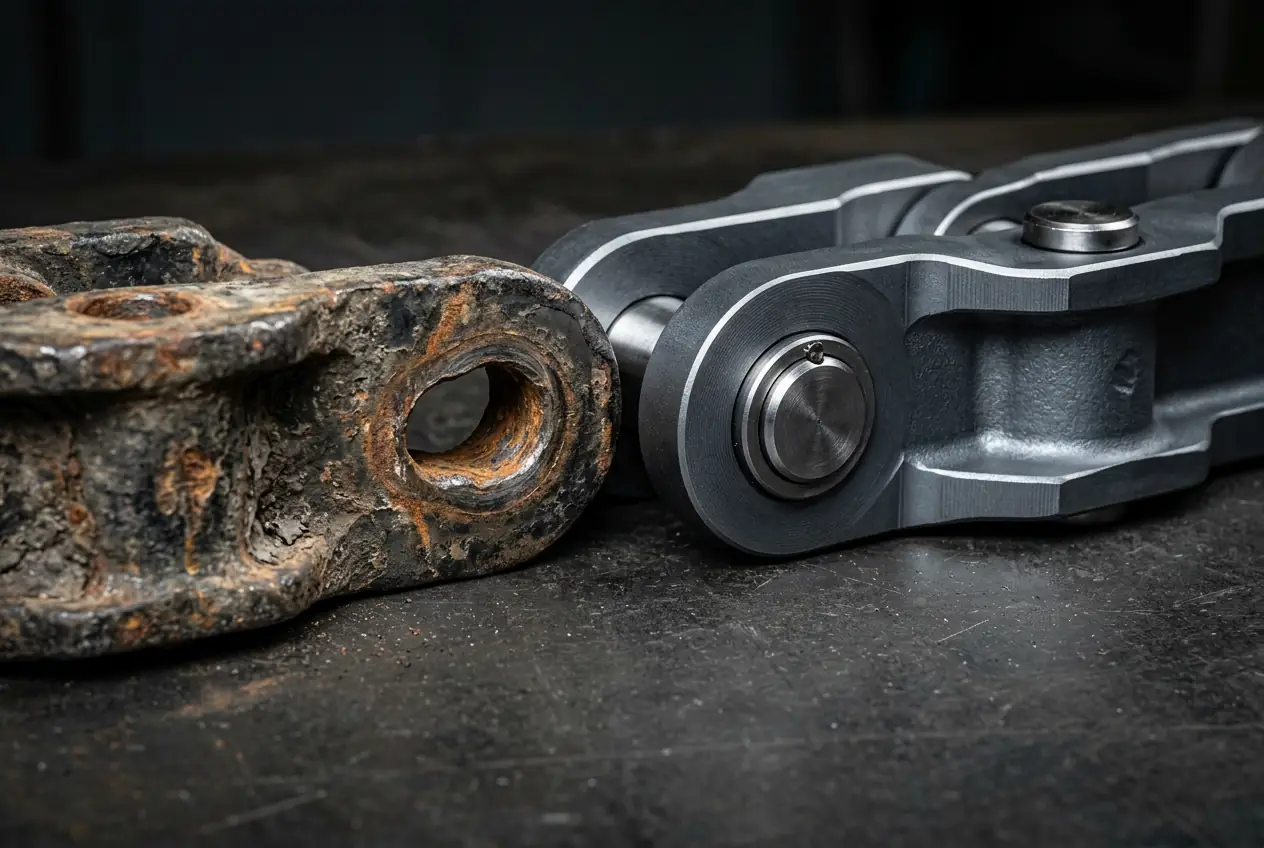
Manufacturers have rolled out several advances in undercarriage metallurgy over the past 24 months. Boron-steel track links with updated heat treatment now offer 15-20% greater wear resistance compared to previous-generation components, particularly in abrasive conditions like the sandy fill and crushed aggregate common on NYC construction sites. Both Caterpillar and Komatsu have published updated undercarriage wear guidelines reflecting these material improvements - it's worth pulling the current spec sheet for your machine models.
Sealed and lubricated track (SALT) systems have also become more widely available across mid-tier machine classes. These systems reduce internal pin and bushing wear dramatically - extending track life in typical conditions from roughly 2,000-3,000 hours to 4,000-5,000 hours when properly maintained. If your fleet is running older unlubricated track, the 2026 upgrade economics are worth revisiting. Browse MCH Parts' full undercarriage inventory at mchpartsnyc.com to see current availability for your machine make and model.
Why NYC Job Sites Accelerate Wear
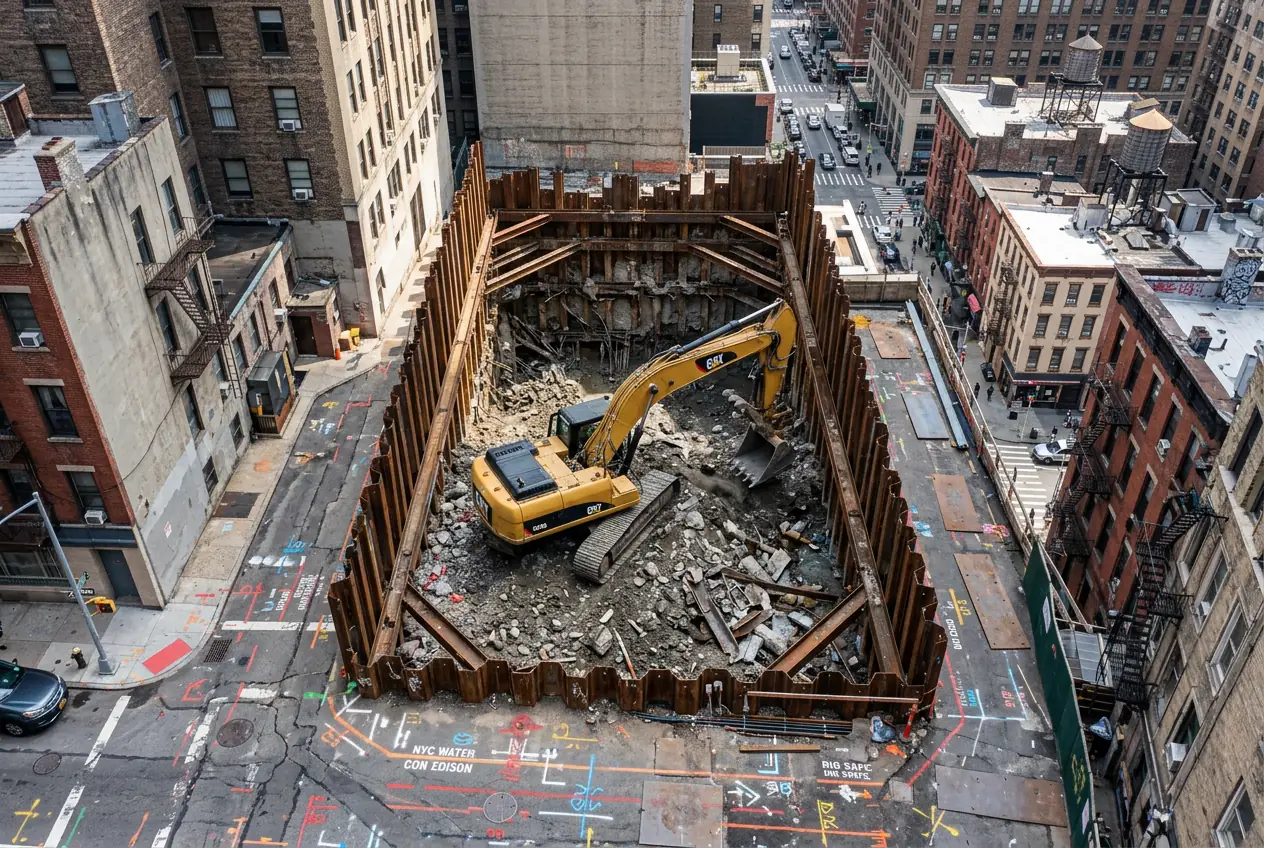
Standard manufacturer wear projections are based on ideal operating conditions - flat terrain, minimal turning, consistent material. NYC job sites are the opposite. Tight urban footprints force constant pivot turns, which is the single greatest accelerator of undercarriage wear. Undercarriage components on machines working confined Manhattan or Brooklyn sites can wear 30-40% faster than the same machine operating in open terrain.
Debris accumulation compounds the problem. Concrete chunks, rebar fragments, and mixed fill pack into the undercarriage and act as an abrasive between moving components. Daily cleaning - not weekly - is the baseline for NYC operations if you want to stay inside expected wear curves. OSHA's heavy equipment safety guidelines reinforce daily inspection as a core requirement, not just a best practice.
Track Replacement: Lifespan, Warning Signs, and Timing
How Long Should Tracks Last in 2026?
On a typical excavator in moderate conditions, steel tracks run 1,600–2,500 hours before replacement is warranted. With newer boron-steel links and SALT systems, well-maintained machines in light-to-medium applications are now reaching 3,000+ hours. Rubber tracks on compact equipment average 1,200–1,800 hours but degrade faster when exposed to hydraulic fluid, petroleum products, or the chemical-heavy soils common in brownfield remediation - a category that covers a significant share of NYC groundwork right now.
What actually determines your real-world track life is a combination of material, terrain, and - most critically - how much turning the machine does. High-swing, tight-turn applications cut those numbers significantly.
Warning Signs Your Tracks Need Attention Now
Visible link elongation. Measure pin-to-pin pitch against manufacturer spec. When pitch exceeds the wear limit (typically 2-3% elongation), the track is overdue. Running an elongated track damages sprocket teeth and carrier rollers - turning a track replacement into a full undercarriage rebuild.
Loose or sagging track. Check sag at the center of the top run. Most manufacturers specify 1-2 inches of sag; more than that and the track is either worn or the tension adjustment system needs attention. A sagging track can derail under load - not a situation you want on a high-rise site with people below.
Cracked or chipped links. Especially common after the freeze-thaw cycles of a New York winter. Surface cracks propagate quickly under load; replace affected sections before they compromise the whole track.
If you're seeing any of these signs on your equipment, don't wait for a full failure. Contact MCH Parts and we'll identify the right replacement tracks for your machine and get them to your site the same day.
When to Replace vs. When to Turn Pins and Bushings
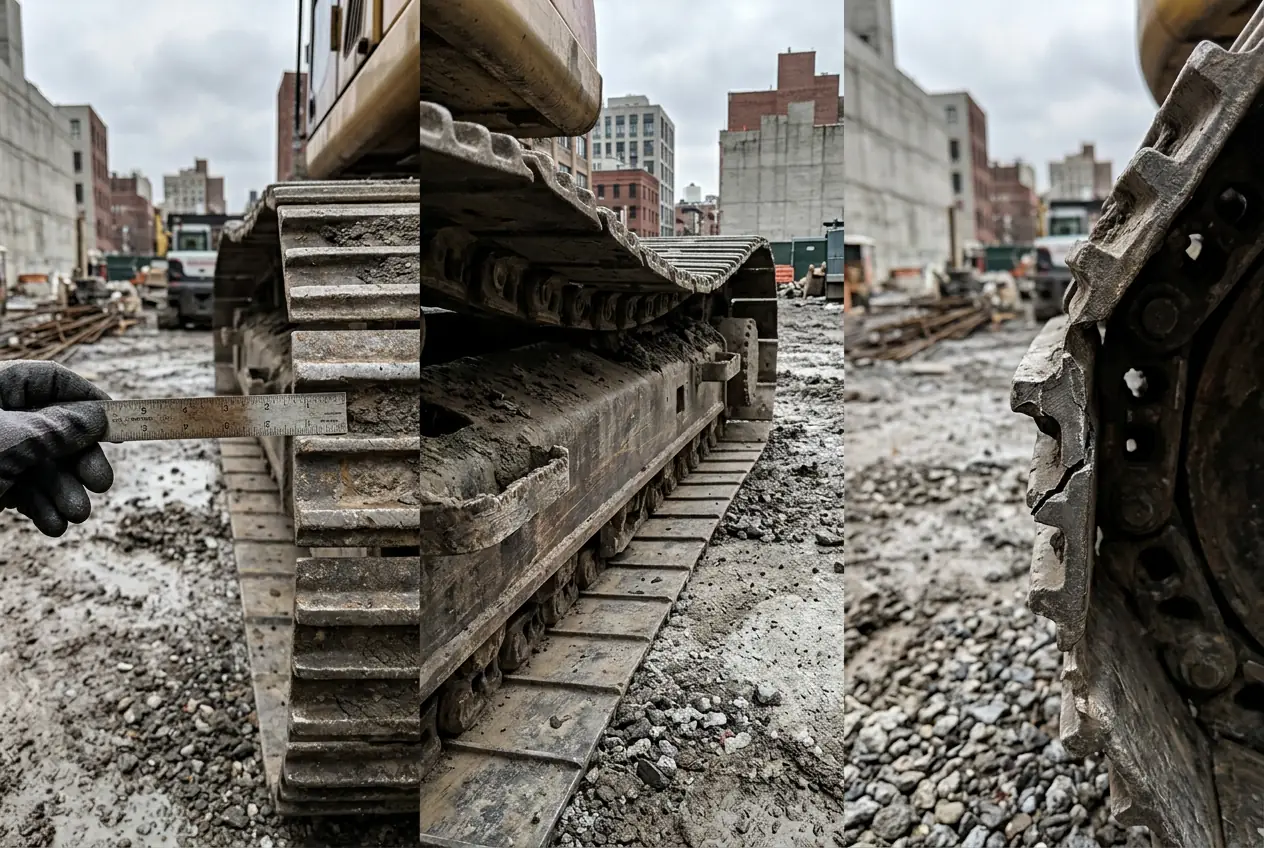
At roughly the halfway point of track life, many operations choose to flip (rotate) the pins and bushings rather than replace the full track. This extends track life at a fraction of the replacement cost. In 2026, pin-and-bushing turn service is worth building into your scheduled maintenance intervals. Reach out through MCH Parts and tell us your machine hours and model - we'll help you figure out the most cost-effective path forward.
Roller Lifespan: Top Rollers vs. Bottom Rollers
Bottom Rollers: Your Highest-Load Components
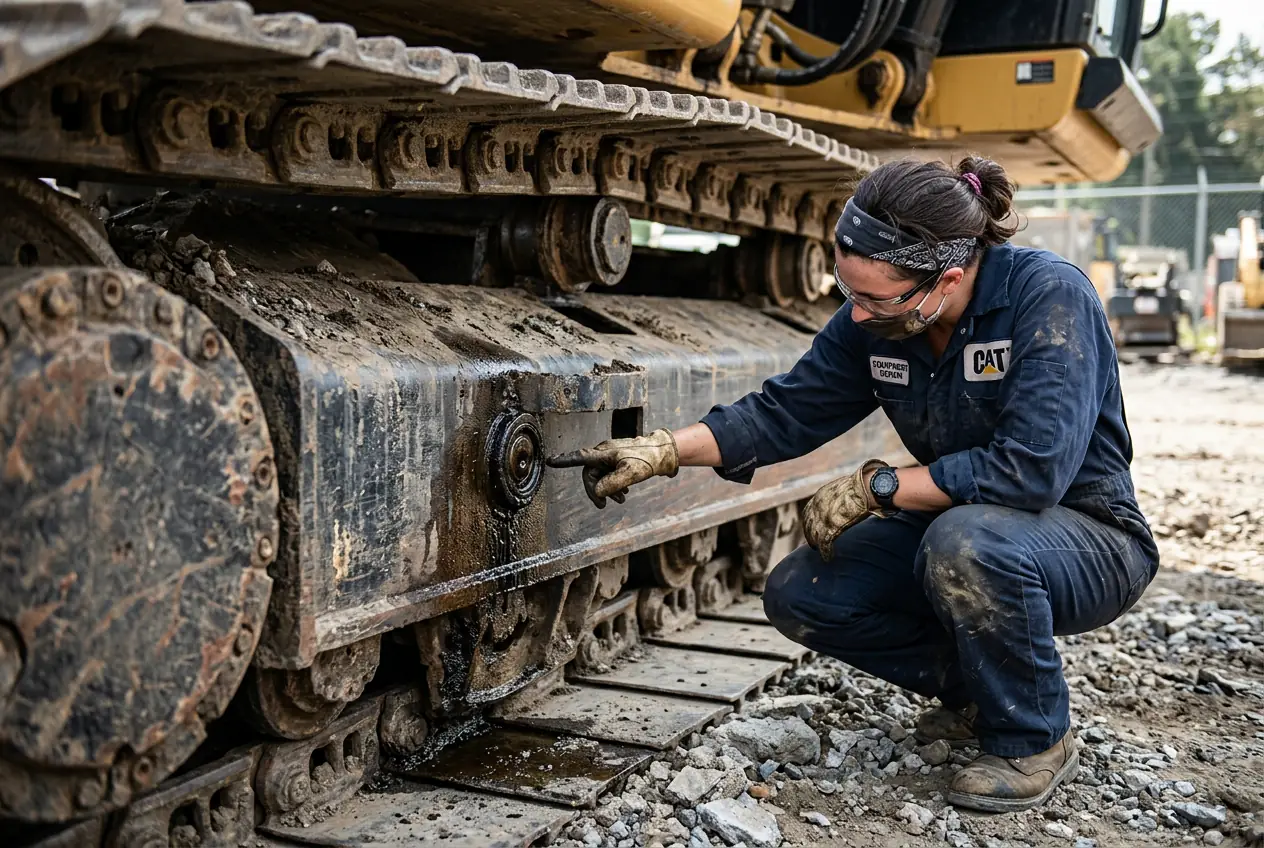
Bottom (track) rollers carry the full weight of the machine as it travels and work. Depending on machine class and application, bottom rollers typically last 3,000–6,000 hours - but that range is wide for a reason. A machine doing heavy blade work or constant repositioning on compacted aggregate will burn through rollers far faster than one doing steady dig-and-swing cycles in soft material.
In 2026, end-collar roller designs with improved seal geometry are the industry standard on new machines. If your older equipment is still running conventional roller designs, leaking roller seals are the leading cause of premature failure. Once a roller starts leaking oil, internal wear accelerates rapidly. The fix is immediate replacement - not continued operation until the roller seizes. Order replacement rollers directly from MCH Parts - we stock bottom rollers for Cat, Komatsu, Hitachi, Volvo, and all major brands.
Top Rollers: Smaller Component, Big Impact
Top (carrier) rollers guide the track on the return run and take significant shock loading. They fail faster than most operators expect - typically 2,000-4,000 hours - and a failed top roller that isn't caught early will gouge the track links and create a cascade of damage through the rest of the undercarriage system.
Inspect top rollers every 250 operating hours. Listen for clicking or grinding sounds during travel - these are the first indicators of bearing failure. Replace them in sets where possible; if one is at end-of-life, the others are not far behind.
How to Read Roller Wear Without Pulling the Machine
You don't need to pull the machine out of service for a basic roller assessment. Walk the undercarriage when the machine is stationary and check for any of these indicators:
- Look for oil seepage around roller end caps - this signals seal failure.
- Check for flat spots on the roller tread, a sign of uneven wear from a seized roller.
- Push each roller laterally to feel for play or wobble, which indicates bearing wear.
- After operation, check for unusual heat on any individual roller - a clear sign of inadequate lubrication.
Any of these indicators justifies removing the machine from service for a full inspection. If you need rollers fast, MCH Parts delivers to job sites across NYC and the metro area to check stock and request same-day delivery.
Sprocket Wear: The Component Most Crews Ignore Too Long
How Sprockets Fail and Why It Matters
Sprockets engage the track links to drive the machine. They wear in a predictable pattern - the tooth tips thin and become hooked - but the rate of wear is directly tied to track condition. Running an elongated track accelerates sprocket tooth wear by a factor of two or more, which is why track replacement timing and sprocket inspection must be managed together.
In 2026, most manufacturers have updated their sprocket tooth wear limits; check the current service manual for your specific machine rather than relying on older specs. Hitachi Construction Machinery and Volvo Construction Equipment both publish detailed wear tolerance data in their online service portals. What hasn't changed is the basic principle: a hooked sprocket that is allowed to keep operating will skip on the track under high drawbar load - which means lost traction at exactly the moment you need it most.

Sprocket Replacement Intervals
Sprockets generally last one to two track lives, depending on application. A good rule of thumb for NYC site managers: inspect sprockets every time you do a track inspection, and plan for replacement at the same time as your second track replacement on any given machine. If you see significant hooking or thinning before that point, don't wait.
Because sprockets are a wear item and not a failure-mode emergency item, ordering them in advance is easy to justify. MCH Parts maintains stocked sprockets for all major machine brands - order ahead and avoid paying emergency rates when the job is already running.
Sprocket Segment vs. Full Hub Replacement
Older machines used full hub-style sprockets requiring complete disassembly for replacement. Most modern excavators and dozers now use bolt-on sprocket segments, which can be swapped in the field with basic tooling in a fraction of the time. If your machines are older full-hub designs, upgrading to a segmented sprocket system at your next major service is worth the investment. Talk to the MCH Parts team about compatibility and availability for your specific models.
Building a 2026 Undercarriage Maintenance Schedule
The Inspection Intervals That Matter
For NYC construction operations running standard shifts, the following schedule reflects best practice for 2026.
Daily: Clear debris from undercarriage, check track tension visually, listen for abnormal sounds during travel.
Every 250 hours: Full visual roller inspection, check and adjust track tension per manufacturer spec, inspect idler for wear and seal integrity.
Every 500 hours: Measure track pitch elongation, inspect sprocket tooth profile, check all roller seals, document wear measurements and compare to previous interval.
Every 1,000 hours: Comprehensive undercarriage wear analysis - compare measured wear against remaining serviceable life and schedule component replacements proactively. The
Associated General Contractors of America recommends integrating these intervals into formal fleet maintenance programs, a standard increasingly expected on public-sector NYC contracts.
Keeping Records That Actually Help You
One of the highest-leverage things a fleet manager can do is maintain per-machine wear logs tied to operating hours. When you have documented measurements across multiple 500-hour intervals, you can predict replacement timing weeks in advance - which means you order parts when it's convenient, not when the machine is already down.
MCH Parts offers consultation on building out those maintenance records for mixed fleets. Whether you're running Cat, Komatsu, Hitachi, Volvo, or a combination, we help you standardize your inspection protocol and make sure the right components are on hand before you need them. Start the conversation - our team knows NYC job site conditions and we'll give you straight answers on what to stock and when.
Conclusion
In 2026, undercarriage maintenance is not a reactive discipline - it's a planned one. New materials have extended component life, but only for operations that inspect consistently and replace proactively. Tracks, rollers, and sprockets all follow predictable wear curves; the only variable is whether you're measuring them.
For NYC operations running machines on tight urban footprints, the wear rates are higher and the margin for error is smaller. A tracked machine that fails mid-project in Brooklyn or midtown is not just a repair cost - it's a schedule problem that ripples through your entire project timeline.
Get ahead of it. Build your inspection schedule, measure your wear, and source your replacement components before you need them in a hurry. MCH Parts is stocked, local, and ready - order at mchpartsnyc.com or call us today to set up a proactive parts plan for your fleet.
Frequently Asked Questions
How do I know if my undercarriage wear is within acceptable limits?
The definitive answer is to measure it. Track link pitch elongation, roller tread diameter, and sprocket tooth thickness all have published wear limits in your machine's service manual. If you don't have the manual or aren't sure how to interpret the measurements, contact the MCH Parts team - we can walk you through the inspection process for your specific machine.
Can I replace just one or two bottom rollers, or do I need to replace them all?
You can replace individual failed rollers, but it's worth considering the wear state of adjacent rollers at the same time. If one roller has reached end-of-life, others on the same machine are likely close. Replacing two or three at once during a scheduled downtime is almost always more cost-effective than repeated single-roller service calls. MCH Parts stocks bottom rollers for all major brands - call us and we'll pull everything you need in one order.
How much does running a worn undercarriage actually cost?
Beyond the direct cost of the worn component, the bigger risk is cascading damage. A worn track running on a worn sprocket accelerates damage to both. An undetected leaking roller can seize and gouge track links. Industry data suggests that catching undercarriage issues at the right wear point costs 40-60% less than addressing failures that have been allowed to cascade. The parts cost is just the beginning - don't let a $300 roller turn into a $6,000 track rebuild. Equipment World regularly covers real-world undercarriage cost case studies if you want to benchmark your own fleet's performance against industry norms.
Do newer materials mean I can extend my inspection intervals?
Not significantly. The new materials extend component life, but your inspection intervals should stay the same - what changes is that more inspections will come back with acceptable wear readings before you hit replacement thresholds. Consistent inspection is how you catch the cases where wear is accelerating faster than expected, which happens regardless of material quality.
What's the best way to order undercarriage parts for multiple machines without carrying excess inventory?
Work from your maintenance logs. If you track wear measurements at each 500-hour interval, you can project replacement timing 500-1,000 hours in advance with reasonable accuracy. Order components when your projections show replacement due within two maintenance cycles. MCH Parts can help you structure a stocking plan for your fleet and talk to our team about your machine mix and project schedule.
Read More

Engine Air Filter vs. Cabin Filter 2026: EPA Guide

Radiator and Cooling System Parts: NYC Summer 2026
Bucket Teeth Selection 2026: Right Teeth for NYC Soil

Construction Equipment Filters 2026: Complete Replacement Schedule Updated
Track Replacement Guide 2026: How Long Do Undercarriage Parts Really Last?
Final Drive Troubleshooting 2026: 7 Warning Signs Before Complete Failure
Excavator Hydraulic Pump Replacement 2026: OEM vs Aftermarket Complete Guide

Weekend Equipment Breakdown: NYC After-Hours Parts Sourcing Guide 2026

Equipment Down in 2026? Get These 15 Critical Parts in NYC Within 2 Hours

NYC Port Modernization 2026: Heavy Equipment Parts for Hudson River Terminal Upgrades
Queens Is Being Built Right Now - Is Your Equipment Ready?

NYC High-Rise Construction Boom 2026: Parts for Record Number of Tower Projects

Brooklyn Navy Yard Construction: Specialized Parts for Historic Site Work

NYC DOB Construction Equipment Requirements 2026: Updated Parts & Modifications

Equipment Down in 2026? Get These 15 Critical Parts in NYC Within 2 Hours
NYC Winter 2026 Construction: Critical Parts That Fail Below 20°F : Prevention Guide
Prevent Crane Downtime with a Proactive Parts Roadmap
How to Prevent Downtime in Multi-Brand Earthmoving Fleets

How to Source OEM Undercarriage Parts Without Project Delays
Motor Grader Predictive Diagnostics: Prevent Hydraulic Failures & Reduce Downtime

Pesticide Sprayer Calibration: Essential Safety Compliance Guide & Protection

Seeder Bearing Parts Sourcing Guide: Critical Components & Strategy
Downtime Prevention Through Smart Inventory for Grain Dryers

Combine Harvester Breakdown Prevention Guide: Predictive Analytics for Zero Downtime

Master Global Agricultural Parts Delivery | Mid-Season MRO Guide

Fixing Haul Truck Downtime Issues: Remote Parts Strategy Guide 2025
Blasting Equipment Safety Compliance: Must-Know Audit Requirements for 2025

The Step-by-Step Guide to Global Drill Rig Consumables Sourcing
Mining Conveyor Maintenance Guide: Detecting Hidden Risks in Underground Systems

Best Practices for Certified Pipeline Valve Selection: From Specs to Installation

Optimizing Oil Rig PPE Delivery: Proven Strategies That Saved $2M Annually

FPSO Smart Parts Planning: Proven Methods to Cut Downtime

How FPSO Inspection Prevents Million-Dollar Shutdown Losses

Fix It Before It Breaks: A Farmer's Guide to Combine and Harvester Maintenance

Why Fast Tractor Parts Delivery is Changing Modern Farming [2025 Guide]

The Critical Farm Equipment Replacement Parts You Need Before Harvest 2025
.webp)
How to Double Your Farm Efficiency: Expert Guide to Smart Scaling
Cut Costs by 30%: Pre-Season Spare Parts Audit Checklist

Proven Success Factors for Agricultural Equipment Manufacturers in 2025

13 Overlooked Farm Spare Parts That Halt Operations — Pt. 2

13 Overlooked Farm Spare Parts That Halt Operations — Pt. 1

Top Hydraulic Components for Agricultural Equipment in 2025: Complete Guide
The Essential Farm Equipment Parts You Can't Afford to Run Out Of
How to Service Farm Equipment: A Farmer's Guide to Zero Harvest Downtime
Construction Machinery Parts Suppliers: Expert Selection Guide
How to Apply Machine Safety Rules: From Selection to Installation

Smart Diagnostics Cut Heavy Equipment Failures by 73%

5 Ways to Assess the Environmental Impact of Heavy Construction Machinery

10 Smart Ways to Pick Construction Machinery for 2025 Projects
Rent vs Purchase Equipment: What Heavy Industry Experts Hide

How to Implement a Construction Inventory Management System for Equipment Efficiency
How to Extend Equipment Life Expectancy with Regular Maintenance
Advanced Heavy Equipment Diagnostic Tools: Ensuring Construction Machinery Quality

Essential Features Your Construction Equipment Inventory System Needs
29 Quick Tips for Choosing Construction Equipment for Remote Locations

How to Select Construction Machinery with Optimal Equipment Maintenance in Mind
Top 25 Tips for Selecting Bulldozers for Construction Sites
Which Construction Loader is Best for Your Project Needs?

4 Key Steps to Form a Construction Machinery QC Team

15 Essential Tips for Selecting the Perfect Crane for Construction

Maximize Savings: Multi-Purpose Construction Machinery for Lower Costs
Affordable Heavy Equipment Parts: A Sourcing Guide
Choosing the Right Road Construction Equipment: A Complete Guide

Motor Graders: Key Elements to Consider for Optimal Selection

A Detailed Guide to Choosing Excavators for Construction Work
Top Tips for Choosing Cranes for Construction Projects
5 Top-Rated Demolition Machines for Construction Professionals

Expert Tips on Choosing Earthmoving Equipment for Large Projects
Top Functional Criteria for Selecting Heavy Construction Equipment

Construction Machinery: Detailed Guide to Equipment Specifications
Heavy Machinery Prices: Key Factors in Cost and Quality Balance
Best Construction Heavy Equipment Brands: Pros and Cons

Construction Site Equipment: How to Determine Your Requirements

Maximizing Safety: Risk Management for Construction Projects

Innovations in Construction: Transforming Machinery and Equipment
Heavy Equipment Safety: Beyond the Basics in Construction Compliance

The Essential Handbook for Construction Equipment Repair and Maintenance

How to Efficiently Source Oil and Gas Machinery Parts in NYC

Essential Guide to Sourcing Agriculture Equipment Parts

How to Source Mining Machinery Parts: Tips and Strategies