Excavator Hydraulic Pump Replacement 2026: OEM vs Aftermarket Complete Guide
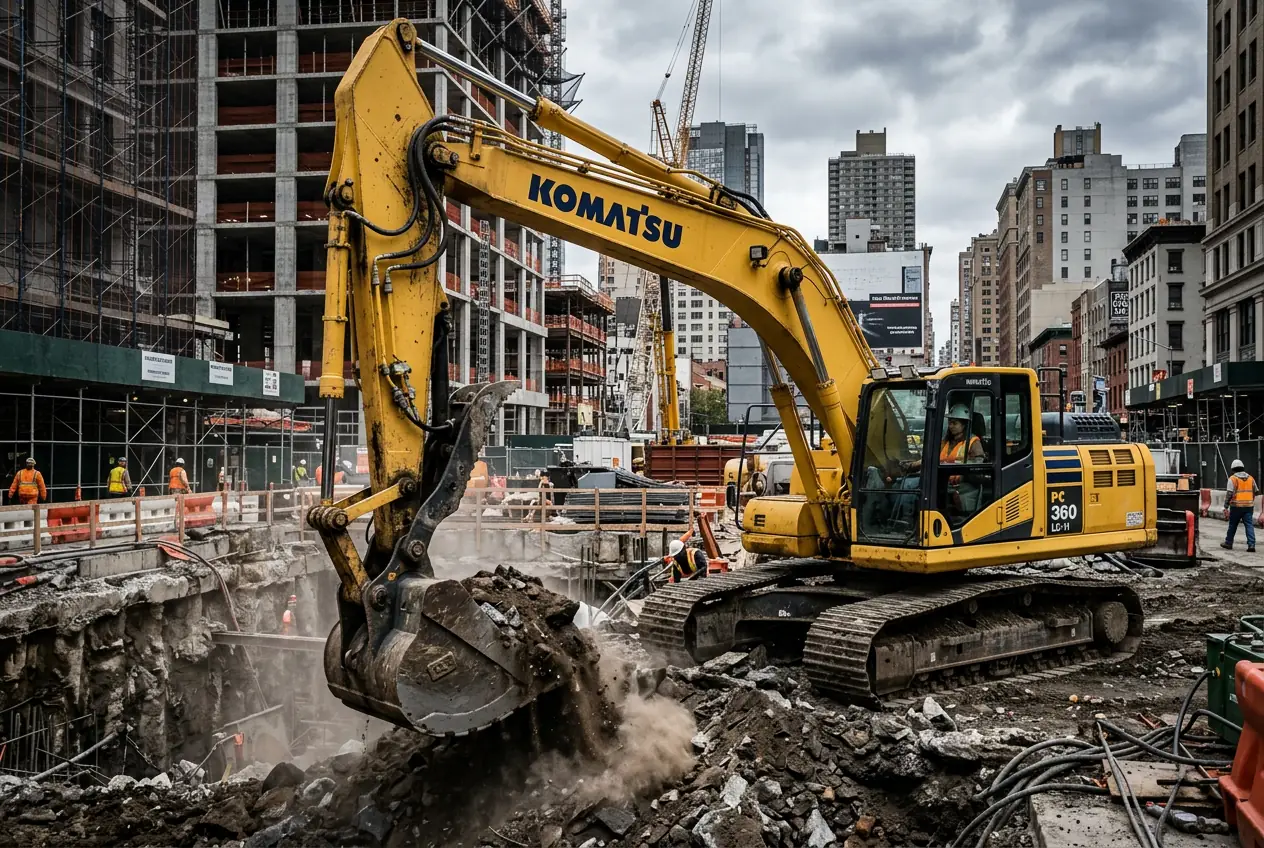
Every minute your excavator sits idle costs you money - and when the hydraulic pump goes, it rarely happens at a convenient time. At MCH Parts NYC, we've helped hundreds of contractors, fleet managers, and equipment operators navigate exactly this moment: the pump is failing, the project clock is running, and you need to make the right sourcing decision fast. In 2026, that decision is more nuanced than ever. OEM prices have stayed elevated, new aftermarket suppliers have flooded the market, and remanufactured pump programs have matured into a genuinely compelling third option. We've put together this complete guide to cut through the noise - covering what to expect on pricing, how to choose between OEM and aftermarket, how to find a supplier you can actually trust, and how to avoid the mistakes that keep machines down longer than necessary.
Understanding the Hydraulic Pump: The Heart of Your Excavator
Before you make any replacement decision, you need to understand exactly what you're replacing - and why it has such an outsized impact on your machine's performance.
What Does a Hydraulic Pump Actually Do?
The hydraulic pump is the core power unit of your excavator's hydraulic system. It converts mechanical energy from the engine into hydraulic energy - pressurizing fluid that drives the boom, arm, bucket, and all auxiliary attachments. Without a correctly functioning pump, nothing moves efficiently. A degraded pump doesn't just slow your operation; it stresses hoses, valves, and actuators throughout the entire system, turning a single component issue into a cascade of collateral damage if left unaddressed.

Kawasaki K3V112DT OEM excavator hydraulic pump assembly on workbench with machined cast iron housing and capped port fittings.
Types of Excavator Hydraulic Pumps
There are three main pump types you'll encounter when it comes time to replace:
- Gear Pumps - Simpler and more affordable, primarily found in smaller excavators. Two interlocking gears inside a casing create suction to draw and move hydraulic fluid.
- Vane Pumps - Compact and efficient, popular for mid-range machines. Sliding vanes inside a housing generate flow across a wide range of operating speeds.
- Piston Pumps (Axial & Radial) - The standard for heavy-duty excavators. Axial piston pumps use pistons arranged around a rotating shaft; radial piston pumps push pistons outward from center. Both generate the sustained high pressure required for large earthmoving tasks. Variable displacement piston pumps - which automatically adjust output to system demand - are now standard on most modern mid-to-large machines, and they represent the most common replacement item we see come through our doors. Key manufacturers for these units include Parker Hannifin, Eaton, and Danfoss alongside the traditional excavator OEM brands.
Warning Signs You Can't Ignore
Don't wait for a full failure. These symptoms mean your pump needs immediate attention:
- Slow or sluggish boom and arm movement - the clearest indicator of reduced flow
- Unusual grinding, whining, or knocking sounds - internal wear or cavitation
- Visible hydraulic fluid leaks around the pump body or seals
- System overheating - often caused by internal bypass or component failure
- Metal particles or excessive contamination in the reservoir - a sign the pump is already destroying itself from the inside
In our experience at MCH Parts NYC, the operators who catch these symptoms early and act immediately spend far less than those who push the machine until it stops completely.
OEM Hydraulic Pumps in 2026: When the Premium Is Worth It
OEM pumps remain the gold standard for fit, performance, and warranty protection. But in 2026, knowing exactly when they're the right choice - and when they're not - is what separates smart procurement from reflexive spending.

What OEM Actually Gets You
An OEM pump is engineered specifically for your machine model. It matches the exact flow rate, pressure rating, mounting specs, and hydraulic circuit parameters set by the original manufacturer. When you install an OEM pump on a Caterpillar, Komatsu, Hitachi, Hyundai, or Volvo excavator, you know it will perform precisely as designed - no guesswork, no compatibility risk. For machines still under manufacturer warranty, OEM is also the safe choice: non-OEM components can void coverage on newer equipment, which is a cost that can dwarf any savings on the part itself.
The most widely specified OEM pump platforms in the market today include Kawasaki's K3V and K5V series, Bosch Rexroth axial piston units, Nachi, and Linde Hydraulics - all backed by strong global service networks and readily available spare parts.

2026 OEM Pricing: What to Expect
OEM pricing has remained firm in 2026. For a mid-size excavator in the 20-30 ton class, a new OEM main pump assembly typically runs $4,000 to $9,000+ depending on brand and model. Dealer lead times can stretch from several days to several weeks for less common models. When we source OEM for our clients, we work to compress those lead times - but the pricing reality is what it is, and it's important to go in with clear eyes.
When OEM Is the Right Call
- Your machine is under active manufacturer warranty
- You're operating on a government contract, infrastructure project, or other environment with strict compliance requirements
- Exact compatibility and zero-compromise performance are non-negotiable
- You need full OEM technical documentation, factory support, and long-term parts traceability
Aftermarket Hydraulic Pumps in 2026: The Smarter Buy for Most Operators
The aftermarket landscape for excavator hydraulic pumps has matured significantly. What was once a market defined by inconsistent quality has evolved into a space where the right suppliers offer products that rival OEM performance at meaningfully lower cost. We source from this market daily at MCH Parts NYC - and we know the difference between suppliers worth recommending and those to stay away from.
The Real Cost Advantage
Quality aftermarket hydraulic pumps typically cost 20-50% less than OEM equivalents. Professionally remanufactured pumps go further: a certified reman unit can run 30-60% below new OEM pricing while delivering near-new performance when it's been fully disassembled, rebuilt with new internal components, and pressure- and flow-tested before shipping.
On a 20-ton class machine, that's the difference between a $6,000 OEM pump and a $3,000–$4,000 quality aftermarket alternative. Across a fleet of five machines, that's a significant budget line - and it's money that can go back into your operation.
What's Actually Changed in 2026
The best aftermarket suppliers today are ISO-certified, test their pumps to OEM-equivalent tolerances, and offer competitive warranty terms. Brands like Kawasaki, Nachi, and KYB (Kayaba) are available through both OEM and aftermarket channels - which means component quality can be directly comparable when the source is right. The differentiator isn't just the part; it's the supplier behind it. At MCH Parts NYC, we vet our aftermarket sources carefully - documentation, traceability, testing records, and warranty terms are all non-negotiable before we recommend anything to a client.

Remanufactured Pumps: The Third Option Worth Serious Consideration
Reman pumps represent the middle path, and for machines past their primary warranty period, they often deliver the best total value. A properly remanufactured pump is fully disassembled, inspected, rebuilt with new internals, and tested to original performance specs. Most reputable reman programs include a 90-day to 12-month warranty. For fleet operators managing cost-per-hour metrics across multiple machines, reman is a strategy we actively recommend.
Aftermarket Red Flags to Watch For
Not all aftermarket pumps are equal. Be cautious of:
- No ISO certification or quality documentation
- Pricing that seems too good without a warranty to match
- Inability to cross-reference OEM part numbers or verify compatibility
- No post-sale technical support - if something goes wrong during installation, will anyone answer the phone?
Sourcing Hydraulic Pumps in 2026: How to Find a Supplier You Can Actually Trust
With more suppliers entering the market and online purchasing becoming standard, knowing how to evaluate a source is as important as choosing the right pump type. We've seen clients burn time and money on the wrong supplier more than once - here's how to avoid it.

What We Look for in a Supplier - And What You Should Too
- Parts traceability and documentation - Spec sheets, OEM cross-reference numbers, quality certifications. If a supplier can't produce these, walk away.
- Warranty terms - 90 days minimum for reman; 6–12 months for quality aftermarket. No warranty is a red flag, period.
- Stocked inventory and fast shipping - Machine downtime is measured in revenue lost per hour. You need a supplier with real inventory on the shelf, not a dropshipper who's waiting on their supplier.
- Technical support - Can their team help you verify compatibility before you buy? Can they advise on hydraulic system flushing, installation sequencing, and startup procedures? This matters more than most buyers realize until they need it.
- Verified customer history - Real reviews from contractors and fleet managers are your best signal. Look for patterns, not just overall ratings.
Why We Built MCH Parts NYC Around These Standards
At MCH Parts NYC, we work exclusively with contractors and equipment operators who need sourcing decisions they can stand behind. We don't just sell parts - we advise on them. When a client calls us about a hydraulic pump replacement, we walk through their machine specs, their warranty situation, their project timeline, and their budget before we recommend OEM, aftermarket, or reman. We publish detailed guidance on our site around OEM vs. aftermarket decisions, bulk ordering strategy, lead time management, and hydraulic failure diagnostics - because informed clients make better decisions and have fewer emergency calls down the road.
The Sourcing Mistakes That Cost Operators the Most
- Buying on price alone. The cheapest pump is almost always the most expensive decision over the life of the machine. We've seen $1,800 pumps destroy $12,000 hydraulic systems.
- Skipping compatibility verification. Always cross-reference using your machine's make, model, serial number, and the OEM part number from the pump's nameplate - not just the catalog listing.
- Failing to flush the hydraulic system. Contaminants from a failed pump will destroy a new unit within hours of startup if the system isn't properly flushed first. This is the single most common installation mistake we see.
- Ignoring spec alignment. Flow rate (L/min), maximum working pressure (bar), shaft type, and port orientation must all match your machine's data plate requirements exactly.
Bulk Ordering and Fleet-Level Strategy
For operators managing multiple machines, bulk ordering from a single trusted supplier unlocks pricing advantages and dramatically simplifies inventory management. We work with fleet managers at MCH Parts NYC to map their machine population, identify high-frequency failure components, and build procurement schedules that reduce emergency sourcing events. In 2026, the operators who are winning on cost-per-hour are the ones planning ahead - not reacting.
Conclusion: The Right Pump Decision Starts Before the Breakdown
The hydraulic pump replacement decision comes down to one principle: understand your machine, your operational context, and your true total cost of ownership - then choose accordingly.
If your machine is under warranty, operating in a compliance-heavy environment, or demands zero-compromise precision, OEM is the right investment. If your machine is past its primary warranty period, you're managing a cost-conscious fleet, or you have access to a certified remanufacturer or vetted aftermarket source with documented quality standards, the savings are real and significant.
What never changes, regardless of which path you choose, is the importance of sourcing from someone who actually knows the product and stands behind it. At MCH Parts NYC, that's exactly what we do - helping contractors, fleet managers, and equipment operators make smarter parts decisions that keep their machines running and their projects on schedule. Whether you need a same-day OEM pump for a critical machine or want to build a long-term fleet sourcing strategy that controls costs without cutting corners, we're here to help.
Contact MCH Parts NYC today and let's talk about what your hydraulic system actually needs.
Frequently Asked Questions (FAQ)
Q1: How much does it cost to replace an excavator hydraulic pump in 2026?
Costs vary significantly based on machine class and pump type. For small excavators under 10 tons, aftermarket pump assemblies typically range from $800 to $2,500. Mid-size machines in the 15-30 ton class see OEM pump costs of $4,000-$9,000, with quality aftermarket options running $2,000-$5,000. Remanufactured pumps generally fall 30-60% below new OEM pricing. Don't forget to budget for hydraulic fluid replacement, system flushing, and installation labor - these add-ons are where costs can surprise you. At MCH Parts NYC, we walk every client through total replacement cost before they commit to a sourcing path.
Q2: Will using an aftermarket hydraulic pump void my excavator's warranty?
It depends on your warranty terms and the age of your machine. For machines still under an active manufacturer warranty, installing a non-OEM pump can potentially void coverage - especially for any hydraulic system-related claims. For machines past their warranty period, there's no such risk. Always review your warranty documentation first, and if you're uncertain, talk to us before you buy. We can help you understand the actual risk exposure based on your specific machine and warranty situation.
Q3: How do I know when to replace vs. repair my hydraulic pump?
Our general rule: if the estimated repair cost approaches or exceeds 50–60% of a quality replacement unit's price, replacement is almost always the better long-term decision. Repairs that can't reliably restore full-spec performance - or that don't meaningfully extend service life - rarely pay off. If your pump has experienced internal contamination, catastrophic bearing failure, or housing damage, replacement is the right call. We're happy to talk through the numbers with you directly.
Q4: What do I need to do before installing a new hydraulic pump?
This step is critical and often overlooked. Before installing any replacement pump - OEM or aftermarket - flush the entire hydraulic system thoroughly to remove metal particles, debris, and contaminated fluid left behind by the failed unit. Replace all hydraulic filters. Inspect all hoses and connections for wear or cracking. Pre-fill the new pump with clean hydraulic fluid before startup to prevent dry-start damage to the new unit. After installation, run the system at low load and verify pressure, check for leaks, and listen for abnormal noise before returning the machine to full operation. Skipping these steps is one of the costliest mistakes we see - and it's entirely avoidable.
Read More

Engine Air Filter vs. Cabin Filter 2026: EPA Guide

Radiator and Cooling System Parts: NYC Summer 2026
Bucket Teeth Selection 2026: Right Teeth for NYC Soil

Construction Equipment Filters 2026: Complete Replacement Schedule Updated
Track Replacement Guide 2026: How Long Do Undercarriage Parts Really Last?
Final Drive Troubleshooting 2026: 7 Warning Signs Before Complete Failure
Excavator Hydraulic Pump Replacement 2026: OEM vs Aftermarket Complete Guide

Weekend Equipment Breakdown: NYC After-Hours Parts Sourcing Guide 2026

Equipment Down in 2026? Get These 15 Critical Parts in NYC Within 2 Hours

NYC Port Modernization 2026: Heavy Equipment Parts for Hudson River Terminal Upgrades
Queens Is Being Built Right Now - Is Your Equipment Ready?

NYC High-Rise Construction Boom 2026: Parts for Record Number of Tower Projects

Brooklyn Navy Yard Construction: Specialized Parts for Historic Site Work

NYC DOB Construction Equipment Requirements 2026: Updated Parts & Modifications
Equipment Down in 2026? Get These 15 Critical Parts in NYC Within 2 Hours
NYC Winter 2026 Construction: Critical Parts That Fail Below 20°F : Prevention Guide
Prevent Crane Downtime with a Proactive Parts Roadmap
How to Prevent Downtime in Multi-Brand Earthmoving Fleets

How to Source OEM Undercarriage Parts Without Project Delays
Motor Grader Predictive Diagnostics: Prevent Hydraulic Failures & Reduce Downtime

Pesticide Sprayer Calibration: Essential Safety Compliance Guide & Protection

Seeder Bearing Parts Sourcing Guide: Critical Components & Strategy
Downtime Prevention Through Smart Inventory for Grain Dryers

Combine Harvester Breakdown Prevention Guide: Predictive Analytics for Zero Downtime

Master Global Agricultural Parts Delivery | Mid-Season MRO Guide

Fixing Haul Truck Downtime Issues: Remote Parts Strategy Guide 2025
Blasting Equipment Safety Compliance: Must-Know Audit Requirements for 2025

The Step-by-Step Guide to Global Drill Rig Consumables Sourcing
Mining Conveyor Maintenance Guide: Detecting Hidden Risks in Underground Systems
Best Practices for Certified Pipeline Valve Selection: From Specs to Installation

Optimizing Oil Rig PPE Delivery: Proven Strategies That Saved $2M Annually

FPSO Smart Parts Planning: Proven Methods to Cut Downtime

How FPSO Inspection Prevents Million-Dollar Shutdown Losses

Fix It Before It Breaks: A Farmer's Guide to Combine and Harvester Maintenance

Why Fast Tractor Parts Delivery is Changing Modern Farming [2025 Guide]

The Critical Farm Equipment Replacement Parts You Need Before Harvest 2025
.webp)
How to Double Your Farm Efficiency: Expert Guide to Smart Scaling

Cut Costs by 30%: Pre-Season Spare Parts Audit Checklist

Proven Success Factors for Agricultural Equipment Manufacturers in 2025

13 Overlooked Farm Spare Parts That Halt Operations — Pt. 2

13 Overlooked Farm Spare Parts That Halt Operations — Pt. 1

Top Hydraulic Components for Agricultural Equipment in 2025: Complete Guide
The Essential Farm Equipment Parts You Can't Afford to Run Out Of

How to Service Farm Equipment: A Farmer's Guide to Zero Harvest Downtime
Construction Machinery Parts Suppliers: Expert Selection Guide

How to Apply Machine Safety Rules: From Selection to Installation

Smart Diagnostics Cut Heavy Equipment Failures by 73%

5 Ways to Assess the Environmental Impact of Heavy Construction Machinery

10 Smart Ways to Pick Construction Machinery for 2025 Projects
Rent vs Purchase Equipment: What Heavy Industry Experts Hide

How to Implement a Construction Inventory Management System for Equipment Efficiency
How to Extend Equipment Life Expectancy with Regular Maintenance
Advanced Heavy Equipment Diagnostic Tools: Ensuring Construction Machinery Quality

Essential Features Your Construction Equipment Inventory System Needs
29 Quick Tips for Choosing Construction Equipment for Remote Locations

How to Select Construction Machinery with Optimal Equipment Maintenance in Mind
Top 25 Tips for Selecting Bulldozers for Construction Sites
Which Construction Loader is Best for Your Project Needs?

4 Key Steps to Form a Construction Machinery QC Team

15 Essential Tips for Selecting the Perfect Crane for Construction

Maximize Savings: Multi-Purpose Construction Machinery for Lower Costs
Affordable Heavy Equipment Parts: A Sourcing Guide
Choosing the Right Road Construction Equipment: A Complete Guide

Motor Graders: Key Elements to Consider for Optimal Selection

A Detailed Guide to Choosing Excavators for Construction Work

Top Tips for Choosing Cranes for Construction Projects
5 Top-Rated Demolition Machines for Construction Professionals

Expert Tips on Choosing Earthmoving Equipment for Large Projects
Top Functional Criteria for Selecting Heavy Construction Equipment

Construction Machinery: Detailed Guide to Equipment Specifications
Heavy Machinery Prices: Key Factors in Cost and Quality Balance
Best Construction Heavy Equipment Brands: Pros and Cons

Construction Site Equipment: How to Determine Your Requirements

Maximizing Safety: Risk Management for Construction Projects

Innovations in Construction: Transforming Machinery and Equipment

Heavy Equipment Safety: Beyond the Basics in Construction Compliance

The Essential Handbook for Construction Equipment Repair and Maintenance

How to Efficiently Source Oil and Gas Machinery Parts in NYC

Essential Guide to Sourcing Agriculture Equipment Parts

How to Source Mining Machinery Parts: Tips and Strategies